

World Trade: EU Launches Huge Free Trade Zone with Mercosur States
Translated from German, summarized and contextualized by DistantNews.
TLDR
- The European Union and the South American Mercosur states have formed a large free trade zone, with the agreement provisionally coming into effect on May 1st.
- The pact aims to boost trade by gradually reducing barriers and tariffs, creating a market of approximately 720 million people.
- While seen as an opportunity for industries like automotive and mechanical engineering, the agreement faced a lengthy negotiation process and concerns regarding EU standards and agricultural impacts.
A landmark agreement has been reached, establishing a vast free trade zone between the European Union and the Mercosur bloc – comprising Brazil, Argentina, Uruguay, and Paraguay. This pact, provisionally effective from May 1st, marks the culmination of over a quarter-century of negotiations and signifies a major step towards liberalizing trade between the two economic powerhouses. The potential benefits are substantial, promising to invigorate the exchange of goods and services through the phased elimination of trade barriers and customs duties.
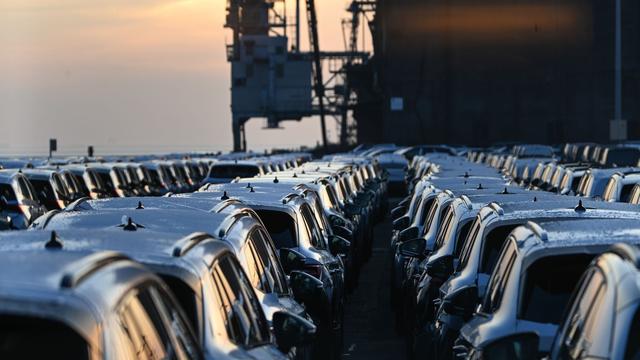
For German industry, the Mercosur agreement is viewed with considerable optimism. Sectors such as automotive manufacturing, mechanical engineering, and pharmaceuticals are expected to find significant new export opportunities. The German Chamber of Industry and Commerce (DIHK) highlights that while trade with South America currently represents only about one percent of Germany's total foreign trade, this agreement is poised to dramatically increase its importance. A significant portion of internationally active German companies anticipate tangible positive impacts from this pact, signaling a strong endorsement from the business community.
Mit dem Start des EU-Mercosur-Abkommens zum 1. Mai gewinnt der Handel mit Südamerika für deutsche Unternehmen erheblich an Bedeutung - obwohl er bislang nur rund ein Prozent des gesamten deutschen Außenhandels ausmacht
However, the path to this agreement was not without its hurdles. The protracted negotiation period, spanning over 25 years, reflects the complexities involved. Furthermore, the deal faced scrutiny and opposition, particularly from agricultural lobbies concerned about potential impacts on EU standards for consumer protection, environmental regulations, and animal welfare. The EU Commission has vehemently rejected these concerns, asserting that only products meeting stringent European regulations will be permitted entry. The European Parliament's decision to have the Court of Justice review the agreement means it can only be applied provisionally for now. From a European perspective, this agreement is not just about economics; it's a geopolitical statement, a clear signal against protectionism, and a demonstration that fair, rules-based partnerships are possible even in challenging global times. It reinforces the EU's commitment to open trade while navigating the legitimate concerns of its member states and industries.
Das Mercosur-Abkommen ist weit mehr als Handel: Es ist ein klares Signal gegen Protektionismus. Gerade in geopolitisch angespannten Zeiten zeigen die EU und die Mercosur-Staaten, dass eine faire und regelbasierte Partnerschaft auf Augenhöhe möglich ist
DistantNews Editorial
Originally published by Die Zeit in German. Translated, summarized, and contextualized by our editorial team with added local perspective. Read our editorial standards.
More Stories

From Our Blog

What Gets Lost (and Found) When News Is Translated

How the Same Story Looks Different in Different Countries

The Critical Role of Diaspora Media in Global News

What Travellers Should Know About Countries with Restricted Press

A Digital Nomad's Guide to Following Local News
