

Germany's Fuel Tax Cut Takes Effect Amidst Price Uncertainty
Translated from German, summarized and contextualized by DistantNews.
TLDR
- Germany has implemented a temporary fuel tax cut, reducing prices for gasoline and diesel by approximately 17 cents per liter for two months.
- The reduction, effective May 1, 2026, aims to alleviate financial pressure on citizens and businesses.
- It is uncertain how quickly and fully gas stations will pass on the savings, with factors like world market prices and logistical delays potentially influencing the final cost.
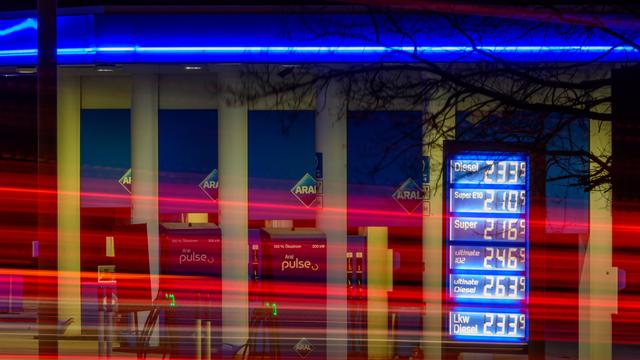
Germany has officially enacted a temporary fuel tax reduction, a measure designed to provide relief to consumers and businesses grappling with high energy costs. Starting May 1, 2026, both gasoline and diesel prices will see a decrease of roughly 17 cents per liter, a benefit that will last for two months. This initiative by the federal government is a direct response to the significant price hikes experienced at the pump, which were exacerbated following the conflict in Iran.
The implementation of this tax cut, however, is not without its complexities. While the government mandates the reduction, the actual impact on prices at the gas station is subject to various market forces. The Mineralölwirtschaftsverband (MWV), the German Mineral Oil Industry Association, has cautioned that global market prices for fuels remain a primary determinant of retail costs. Furthermore, "logistical" reasons, such as the existing stock of fuel purchased under the old tax rate, may lead to delays in the full savings being reflected at the pump.
This measure, costing the state an estimated 1.6 billion euros, is part of a broader effort by the ruling coalition to ease the financial burden on the German populace. Unlike some other European nations, Germany's approach involves a direct tax intervention. The effectiveness and speed of this relief will be closely watched, as citizens hope for tangible savings amidst ongoing economic pressures. The government's commitment to supporting its citizens through such fiscal measures underscores its focus on domestic economic stability.
DistantNews Editorial
Originally published by Die Zeit in German. Translated, summarized, and contextualized by our editorial team with added local perspective. Read our editorial standards.
More Stories


From Our Blog

What Gets Lost (and Found) When News Is Translated

How the Same Story Looks Different in Different Countries

The Critical Role of Diaspora Media in Global News

What Travellers Should Know About Countries with Restricted Press

A Digital Nomad's Guide to Following Local News
