


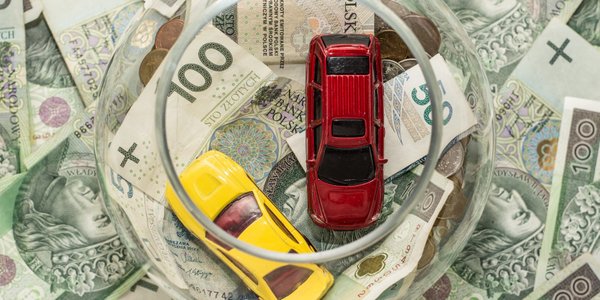
European Car Production Costs to Rise; Chinese Firms to Benefit from Falling Demand
Translated from Polish, summarized and contextualized by DistantNews.
TLDR
- The European automotive industry faces an uncertain future despite a slight increase in new car registrations in the first quarter of 2026.
- Rising fuel prices, potential supply chain disruptions from Asia due to geopolitical conflicts, and increasing production costs threaten demand and profitability.
- Chinese manufacturers, benefiting from automation and state subsidies, are increasingly capturing market share in Europe with lower prices.
The European automotive sector is navigating a turbulent period, with a recent uptick in sales failing to dispel underlying anxieties about its future. While the European Automobile Manufacturers' Association (ACEA) reported a modest 4% rise in registrations for the first quarter of 2026, this fragile recovery is overshadowed by persistent challenges. Ferdinand Dudenhöffer, director of the Center for Automotive Research in Germany, warns that the market could worsen over the next six months due to ongoing uncertainties. The specter of supply chain disruptions, reminiscent of the component shortages experienced since 2021, looms large, exacerbated by the conflict in the Middle East which could impact critical resources like helium needed for semiconductor production. Furthermore, escalating energy and raw material costs, coupled with intense competition from Chinese automakers who leverage automation and state subsidies, are squeezing European manufacturers. As highlighted in the Rzeczpospolita report, European firms face a difficult choice: either pass these increased costs onto consumers, further dampening demand, or aggressively optimize their own operations. The global Automotive Industry Confidence Index also reflects this pessimism, with a significant rise in the sector's pessimism index. From a European perspective, the rise of Chinese manufacturers presents a particularly acute threat. Their ability to offer vehicles at lower price points, often due to state support and advanced manufacturing capabilities, is rapidly eroding the market share of established European brands. This dynamic not only impacts sales but also raises questions about the long-term viability of European production and employment within the sector.
Oczekuję, że sytuacja na rynku i sprzedaż będą gorsze przez następne sześć miesięcy. Niepewność jest zła dla sprzedaży samochodów
DistantNews Editorial
Originally published by Rzeczpospolita in Polish. Translated, summarized, and contextualized by our editorial team with added local perspective. Read our editorial standards.
More Stories


From Our Blog

What Gets Lost (and Found) When News Is Translated

The Critical Role of Diaspora Media in Global News

What Travellers Should Know About Countries with Restricted Press

A Digital Nomad's Guide to Following Local News

How the Same Story Looks Different in Different Countries
