

Fate of Two Tunnel Boring Machines After Completing Hanoi Metro Mission Uncertain
Translated from Vietnamese, summarized and contextualized by DistantNews.
TLDR
- Two Tunnel Boring Machines (TBMs) that excavated the underground section of Hanoi's Metro Line 3 project have completed their mission.
- The decision on whether these TBMs will be reused, sold, or scrapped rests with the contractor, following standard industry practice.
- Their potential reuse depends on factors like wear and tear, geological suitability for new projects, and economic viability compared to new equipment.
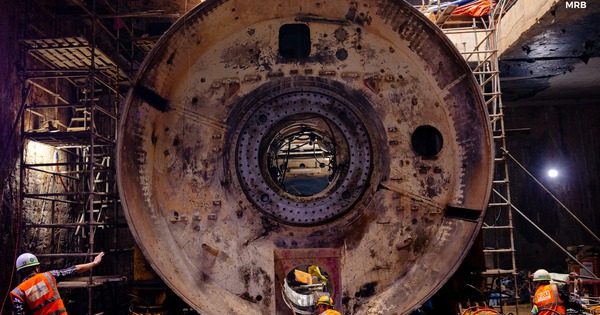
The completion of the underground tunneling for Hanoi's Metro Line 3, specifically the Nhon-Hanoi Station section, marks a significant milestone. The two Tunnel Boring Machines (TBMs), impressive feats of engineering at over 100 meters long and weighing around 750 tons each, have successfully carved out the 4km underground route.
Now that their subterranean 'mission' is accomplished, the question arises: what's next for these colossal machines? As per standard international practice and contractual agreements, these TBMs are the property and responsibility of the contractor. This means the decision on their future – whether they'll be repurposed for other projects, sold, or dismantled – lies with them.
Việc tái sử dụng máy TBM là có thể, với điều kiện thiết bị này phải được kiểm tra, đánh giá tổng thể. Nếu cần thiết sẽ thực hiện cải hoán để đáp ứng kỹ thuật, chất lượng, an toàn và độ tin cậy trong dự án mới
Our local experts at the Hanoi Metro Management Board (MRB) emphasize that while reuse is possible, it's not a foregone conclusion. A thorough assessment of the TBMs' condition, particularly their cutting heads and electromechanical systems, is crucial. Furthermore, their suitability for new geological conditions and the overall economic feasibility of refurbishment versus purchasing new equipment will be key deciding factors.
This situation highlights a common aspect of large-scale infrastructure projects worldwide. While the technology is impressive, the practicalities of managing such specialized equipment after its primary use require careful planning and economic consideration. For Vietnam, successfully integrating or responsibly decommissioning these TBMs will be part of the ongoing learning curve in developing its urban rail network.
Do đó, không thể khẳng định một cách tuyệt đối về việc TBM1 và TBM2 có được tái sử dụng hay không
DistantNews Editorial
Originally published by Thanh Niên in Vietnamese. Translated, summarized, and contextualized by our editorial team with added local perspective. Read our editorial standards.
More Stories
From Our Blog

What Gets Lost (and Found) When News Is Translated

The Critical Role of Diaspora Media in Global News

What Travellers Should Know About Countries with Restricted Press

A Digital Nomad's Guide to Following Local News

How the Same Story Looks Different in Different Countries
