

Fin Whales: Separated by Seas, But Not by Genes
Translated from Greek, summarized and contextualized by DistantNews.
TLDR
- A new study reveals that Mediterranean fin whales maintain genetic connections with Atlantic populations, challenging the notion of complete isolation.
- Researchers analyzed fin whale genomes, finding evidence of genetic mixing that suggests movement and interbreeding between populations.
- This discovery has significant implications for conservation strategies, emphasizing the need for connectivity between whale populations beyond geographical boundaries.
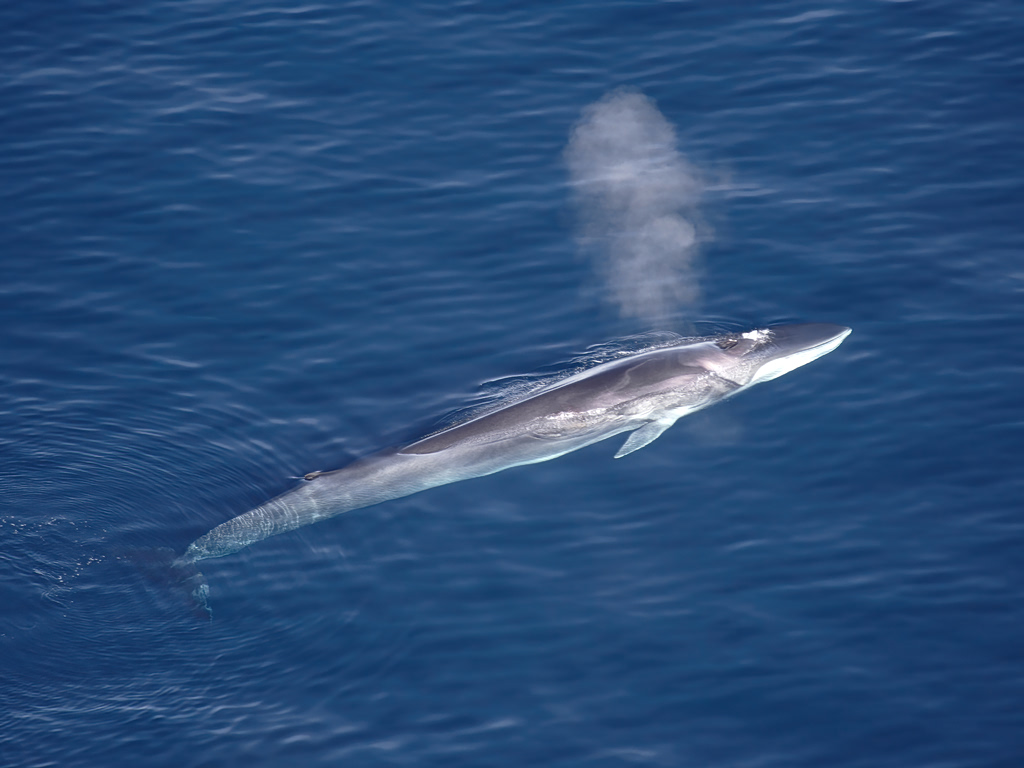
Ta Nea reports on a groundbreaking scientific study that redraws our understanding of Mediterranean fin whales. For years, the prevailing view was that these magnificent marine mammals in the Mediterranean were genetically isolated from their Atlantic counterparts. However, this new research, based on comprehensive genomic analysis, reveals a more interconnected reality.
The study demonstrates that while Mediterranean fin whales have developed distinct genetic characteristics, they are not entirely cut off. The identification of genetic mixing indicates that these whales undertake movements and interbreed across populations. This finding is crucial because it fundamentally alters how we approach their conservation. Previously, conservation efforts might have focused solely on the Mediterranean basin, treating it as a closed system.
Now, the emphasis must shift to maintaining 'connectivity' between different whale populations. This broader perspective is vital, especially considering the mounting pressures these animals face from climate change, pollution, and shipping traffic. Genetic diversity, fostered by such interconnections, is a key factor for their survival and adaptability in a rapidly changing marine environment.
From a Greek perspective, deeply connected to the Mediterranean Sea, this research underscores the importance of international cooperation in marine conservation. The study highlights that protecting these whales cannot be confined by national borders. It necessitates a holistic, cross-border approach that acknowledges the fluid nature of marine ecosystems and the genetic ties that bind whale populations across vast distances. The future of these iconic creatures depends on our ability to see beyond artificial boundaries and protect the invisible threads that link them.
DistantNews Editorial
Originally published by Ta Nea in Greek. Translated, summarized, and contextualized by our editorial team with added local perspective. Read our editorial standards.
More Stories



From Our Blog

What Gets Lost (and Found) When News Is Translated

The Critical Role of Diaspora Media in Global News

What Travellers Should Know About Countries with Restricted Press

A Digital Nomad's Guide to Following Local News

How the Same Story Looks Different in Different Countries
