

Four Strategic Steps Proposed to Empower Malaysia's Waqf Institutions
Translated from Malay, summarized and contextualized by DistantNews.
At a glance
News
Sources not specified
New plan
- The Sultan of Perak, Sultan Nazrin Muizzuddin Shah, proposed four strategic steps to strengthen Malaysia's waqf institutions.
- Recommendations include establishing an international working group, accelerating digital cash waqf platforms, launching a pilot project for planetary resilience, and ensuring waqf charters incorporate principles of balance and justice.
- These proposals aim to make waqf institutions more competitive, progressive, and capable of meeting modern needs, addressing issues like underutilized assets and governance.
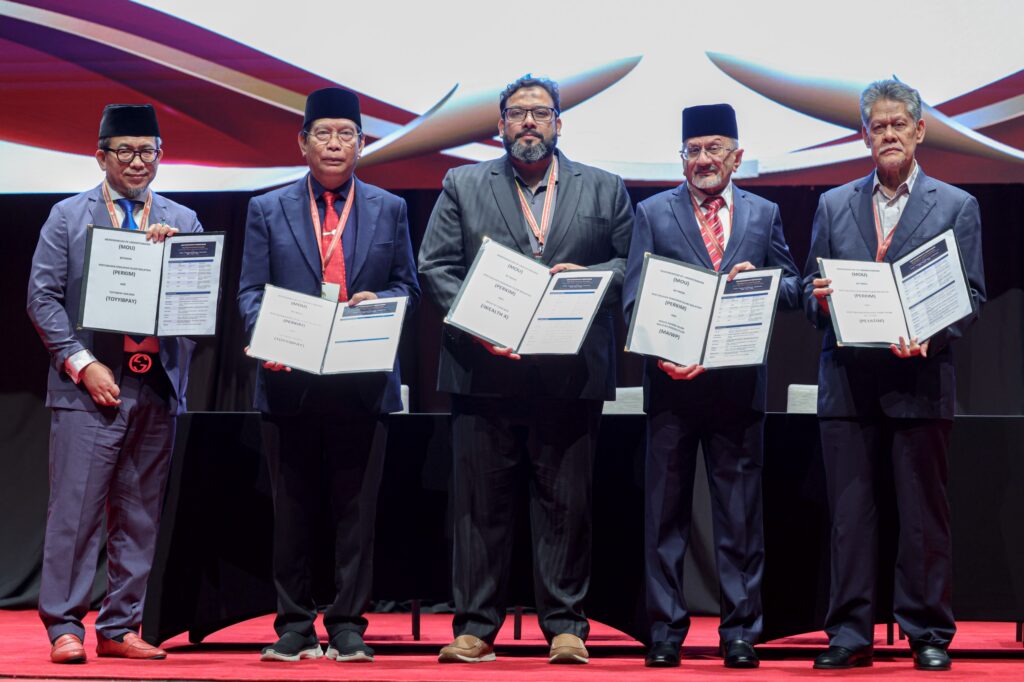
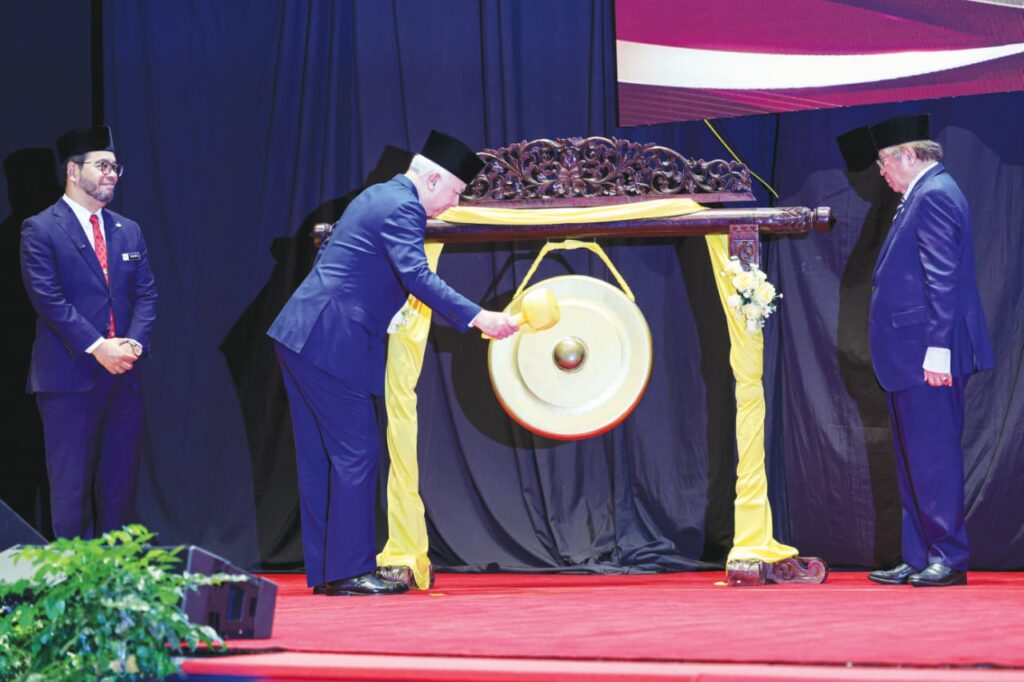
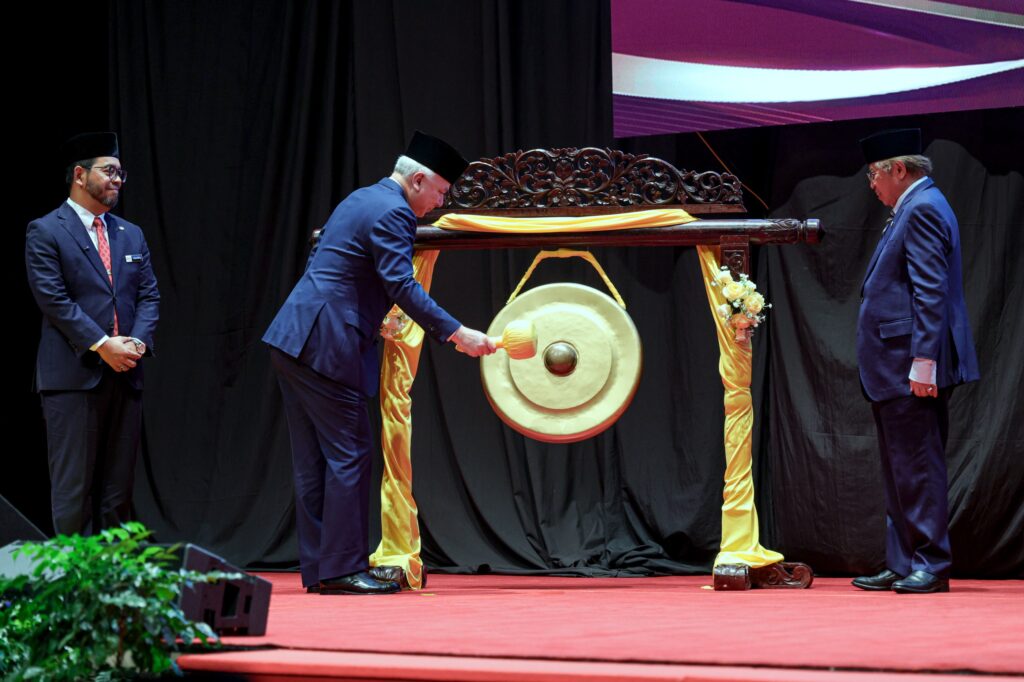
Sultan Nazrin Muizzuddin Shah of Perak has outlined four key strategic measures to enhance Malaysia's waqf institutions, aiming to bolster their competitiveness, progressiveness, and ability to serve the community in the contemporary era. Speaking at the opening of the 2026 International Da'wah Waqf Convention organized by the Malaysian Islamic Welfare Organization (PERKIM) in Kuala Lumpur, the Sultan stressed the need for innovation and robust governance.
The first is the establishment of an international consultation working group to integrate the Core Principles of Indonesian Waqf, AAOIFI standards, and the Kazakhstan framework into a common set of core principles.
The first proposal involves creating an international consultation working group. This group would integrate core principles from Indonesian waqf practices, AAOIFI standards, and the Kazakh framework into a unified set of core principles. Sultan Nazrin suggested that these shared principles could be voluntarily adopted by waqf institutions and jurisdictions without infringing upon constitutional powers.
Secondly, he advocated for accelerating the adoption of digital cash waqf platforms. These platforms should feature real-time, transparent public dashboards, enabling donors to directly track their contributions. The third initiative is the launch of a pilot project, "Waqf for Peace and Planetary Resilience." This project, to be implemented within mosque clusters and community centers in ASEAN, aims to finance solar energy and climate-friendly water infrastructure.
Secondly, accelerating the adoption of digital cash waqf platforms through real-time public dashboards that are transparent, enabling donors to track their contributions directly.
Finally, Sultan Nazrin emphasized the importance of ensuring that waqf institution charters register principles of balance, justice, and compassion from the Al-Mizan framework as binding governance criteria. He also highlighted innovative approaches like micro-waqf, allowing individuals to make small, regular digital contributions that accumulate into substantial waqf funds. The Sultan urged waqf administrators to be innovative, explore new methods, translate ideas into action, and plan for the future with foresight.
Thirdly, launching the pilot project Waqf for Peace and Planetary Resilience in ASEAN mosque clusters and community centers to finance solar energy and climate-friendly water infrastructure.
Addressing the issue of underutilized waqf assets, including uncultivated land, incomplete records, disputed ownership, and unrealized potential, Sultan Nazrin underscored that honesty and good governance are fundamental to maintaining trust and effectiveness. He called for a realistic assessment of current challenges and concrete steps to preserve the integrity of these institutions.
Fourthly, ensuring that the charters of waqf institutions register the principles of balance, justice, and compassion from the Al-Mizan framework as binding governance criteria.
DistantNews Editorial
Originally published by Utusan Malaysia in Malay. Translated, summarized, and contextualized by our editorial team with added local perspective. Read our editorial standards.
More Stories


From Our Blog

What Gets Lost (and Found) When News Is Translated

The Critical Role of Diaspora Media in Global News

What Travellers Should Know About Countries with Restricted Press

A Digital Nomad's Guide to Following Local News

How the Same Story Looks Different in Different Countries
