


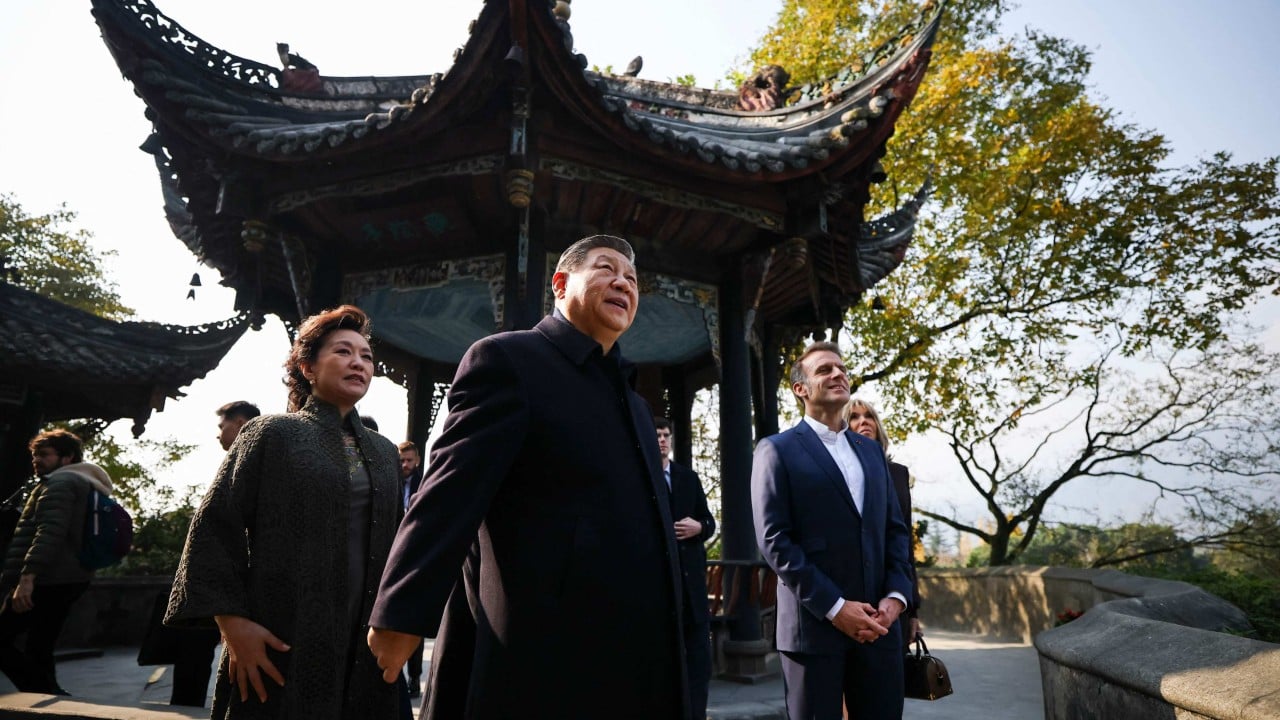
How to manage China’s rise as a civilisational power
Summarized and contextualized by DistantNews.
At a glance
Analysis
Sources not specified
Context piece
- The world is still grappling with how to effectively engage with a rising China, particularly its rapid advancements in economic areas like electric vehicles.
- Chinese leaders privately reflect on the nation's global role, suggesting foreigners should consider this nuanced approach.
- Historical wisdom from both Chinese and Western traditions emphasizes that restraint and care from powerful nations toward weaker ones are crucial for sustained order.
The global community is still navigating the complexities of managing China's ascent as a civilizational power, particularly its swift rise to prominence in new economic sectors like electric vehicles. Even within China, intellectuals are reportedly surprised by the speed of this global leadership acquisition.
Within China, thoughtful individuals tend to reserve discussions about the nation's global conduct for private settings, where discourse can be measured and carefully chosen. The article suggests that foreigners seeking to engage with China might benefit from considering this introspective approach. Furthermore, the world's varied interactions with China inevitably shape its outward posture.
China is urged to act responsibly toward smaller nations, a principle echoed by President Xi Jinping's discussions of a shared future and prosperity during Bangladesh Prime Minister Tarique Rahman's visit. The text posits that the strength of societies hinges on how the powerful treat the weak and how the large accommodate the small. This perspective draws parallels to ancient Chinese statesman Zichan of Zheng, who advised caution for small states dealing with great powers and care from great powers toward small states, framing restraint as essential for endurance.
This principle is further underscored by Western historical examples, such as Thucydides' account of the dialogue between Athens and Melos. The Athenians' assertion that "the strong do what they can and the weak suffer what they must" led to the destruction of Melos, illustrating the consequences of unchecked power. Both Chinese and Western traditions, the article concludes, recognize that unchecked power is consuming, while tempered power sustains, and that the survival of order depends on the treatment of the weak by the strong.
the strong do what they can and the weak suffer what they must
DistantNews Editorial
Originally published by South China Morning Post. Summarized and contextualized by our editorial team with added local perspective. Read our editorial standards.
More Stories

From Our Blog

Countries Without a Free Press: What You Need to Know

What Press Freedom Means for the News You Read

What Gets Lost (and Found) When News Is Translated

The Critical Role of Diaspora Media in Global News

What Travellers Should Know About Countries with Restricted Press
