


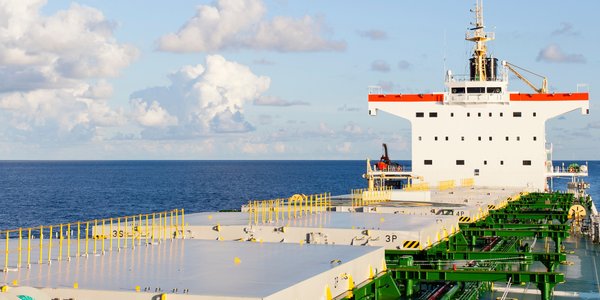
IMO Introduces World's Largest Emissions Control Area in Northeast Atlantic
Translated from Polish, summarized and contextualized by DistantNews.
TLDR
- The International Maritime Organization (IMO) has designated the northeast Atlantic as a new Emissions Control Area (ECA) for NOx, SOx, and particulate matter.
- The new ECA, effective September 2027, will cover territorial seas and exclusive economic zones of several European nations and will connect with existing ECAs.
- This measure is expected to significantly reduce air pollution from ships, potentially preventing thousands of premature deaths and saving billions in healthcare costs.
The International Maritime Organization (IMO) has taken a significant step towards cleaner shipping by establishing the largest-ever Emissions Control Area (ECA) in the northeast Atlantic. As reported by Rzeczpospolita, this decision, made during the 84th session of the Marine Environment Protection Committee, designates a vast swathe of the Atlantic as an ECA for nitrogen oxides (NOx), sulfur oxides (SOx), and particulate matter (PM).
In ECA zones, ships must use fuel with a sulfur content not exceeding 0.10%. The reduction of SOx and NOx emissions reduces the risk of lung cancer, cardiovascular diseases, strokes, and childhood asthma. It also improves visibility at sea and reduces acidification, helping to protect crops and forests.
This new ECA, set to become effective in September 2027 with full requirements in place by September 2028, will encompass the territorial waters and exclusive economic zones of Greenland, Iceland, the Faroe Islands, Ireland, the United Kingdom, France, Spain, and Portugal. Crucially, it will integrate with existing ECAs in the Baltic Sea, North Sea, and Mediterranean, creating a comprehensive network aimed at curbing maritime pollution across a significant portion of European waters.
North-East Atlantic ECA has the potential to reduce SOx emissions by up to 82%, PM2.5 by 64%, and black carbon by 36%, while NOx emissions could fall by as much as 71% over time as the fleet is renewed.
The implications of this regulation are profound. Ships operating within this new ECA will be mandated to use fuel with a sulfur content not exceeding 0.10%. The IMO highlights that reducing SOx and NOx emissions will directly combat serious health issues such as lung cancer, cardiovascular diseases, strokes, and childhood asthma, while also improving visibility at sea and mitigating acidification. According to ICCT research, the North-East Atlantic ECA could slash SOx emissions by up to 82%, PM2.5 by 64%, and black carbon by 36%, with NOx emissions potentially falling by as much as 71% as the fleet is renewed. This translates to an estimated prevention of up to 4,300 premature deaths between 2030 and 2050 and substantial savings in healthcare costs.
The ECA could prevent up to 4,300 premature deaths between 2030 and 2050 and save up to 29 billion euros in health-related costs.
However, the transition is not without its challenges. As Rzeczpospolita notes, industry bodies like the European Community Shipowners' Associations (ECSA) and the International Chamber of Shipping (ICS) have voiced concerns about the pace and cost of decarbonization. The implementation of stricter emission standards necessitates significant investments in new fuels, vessel retrofits, and infrastructure upgrades. From a Polish perspective, while the environmental benefits are undeniable and align with broader European climate goals, the economic impact on shipping companies and related industries requires careful consideration and support to ensure a just transition.
The European Community Shipowners' Associations (ECSA) and the International Chamber of Shipping (ICS) have repeatedly questioned the pace and cost of shipping decarbonization, including the emission requirements of the IMO 'Net-Zero Framework' and the necessity of drastic changes to ships and infrastructure.
DistantNews Editorial
Originally published by Rzeczpospolita in Polish. Translated, summarized, and contextualized by our editorial team with added local perspective. Read our editorial standards.
More Stories



From Our Blog

What Gets Lost (and Found) When News Is Translated

The Critical Role of Diaspora Media in Global News

What Travellers Should Know About Countries with Restricted Press

A Digital Nomad's Guide to Following Local News

How the Same Story Looks Different in Different Countries
