


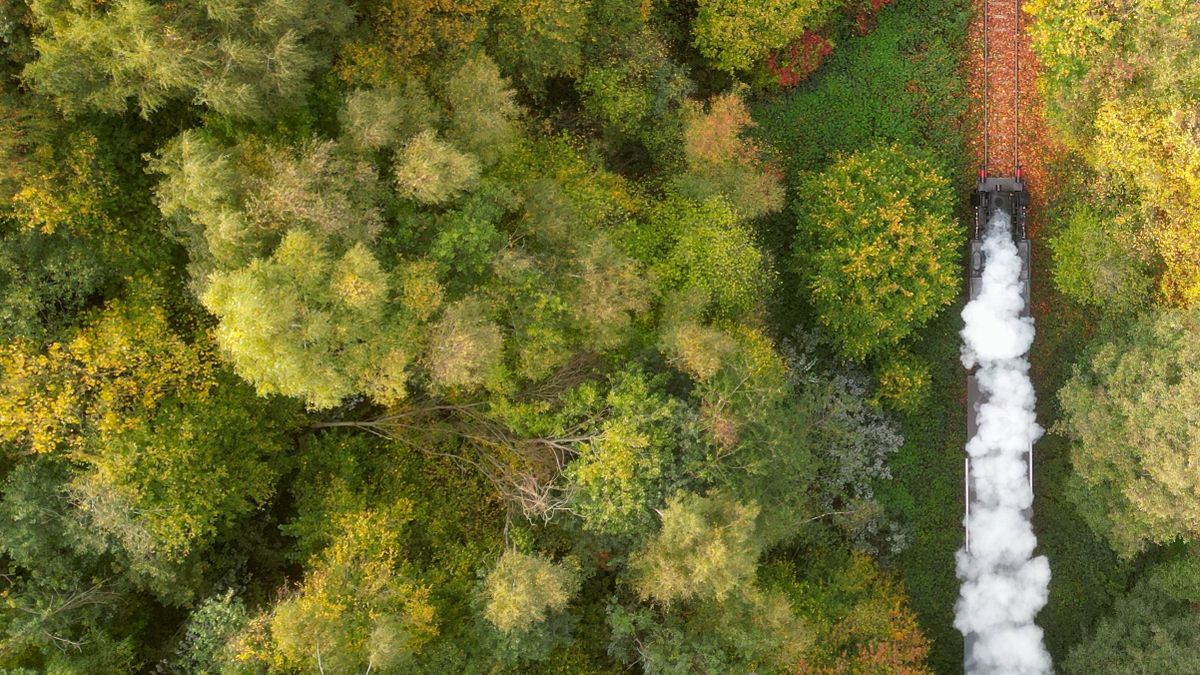
Inaction is the Most Expensive Approach for Hungary's Forests, Study Finds
Translated from Hungarian, summarized and contextualized by DistantNews.
TLDR
- Neglecting forests leads to higher carbon emissions and greater financial losses compared to active management, according to a study.
- Continuous forest cover management offers a better carbon balance over 50 years than traditional clear-cutting or leaving forests unmanaged.
- Short-term cost avoidance of intervention makes inaction appealing, despite long-term financial and environmental risks like increased fire danger.
The recent study highlights a critical issue facing Hungary's forests: the pervasive tendency towards inaction, which proves to be the most costly approach. While active forest management, particularly continuous cover forestry, offers significant benefits in terms of carbon sequestration and financial stability, the immediate costs associated with intervention often deter landowners. This short-sightedness, driven by the perception that inaction requires no immediate expenditure, leads to deferred costs and increased risks, such as the potential for devastating forest fires.
The cost of inaction is the most expensive in planted, abandoned forests.
Our analysis at Magyar Nemzet shows that the financial implications are stark. Leaving forests unmanaged can result in nearly triple the financial losses compared to continuous cover management over five decades. This difference stems not only from lost revenue but also from future restoration costs and escalating risks. The allure of avoiding immediate expenses blinds decision-makers to the long-term consequences, a pattern exacerbated by fragmented land ownership and limited resources.
The difference in carbon sequestration is measurable in thousands of tons.
Furthermore, the study underscores that the true value of forests extends beyond immediate financial returns. Benefits like carbon capture, water retention, and biodiversity are often undervalued in traditional economic assessments. This disconnect between immediate costs and long-term, often intangible, benefits is a key reason why inaction persists. As Magyar Nemzet has consistently argued, a shift towards a more holistic and long-term perspective in forest management is not just environmentally prudent but also economically essential for Hungary's future.
Inaction becomes the de facto implemented scenario.
DistantNews Editorial
Originally published by Magyar Nemzet in Hungarian. Translated, summarized, and contextualized by our editorial team with added local perspective. Read our editorial standards.
More Stories


From Our Blog

Countries Without a Free Press: What You Need to Know

What Press Freedom Means for the News You Read

What Gets Lost (and Found) When News Is Translated

The Critical Role of Diaspora Media in Global News

What Travellers Should Know About Countries with Restricted Press
