


Incredible Find: Unknown Celtic Coins Turn Archaeology Upside Down
Translated from Greek, summarized and contextualized by DistantNews.
TLDR
- Archaeologists in the Czech Republic have discovered a significant hoard of approximately 500 gold and silver coins, along with 80 pieces of jewelry.
- The artifacts, dating from the 6th to 1st centuries BC, were found in the Pilsen region and are believed to be of Celtic origin.
- Some of the coins are previously unknown types, potentially altering current understanding of Celtic numismatics in Bohemia.
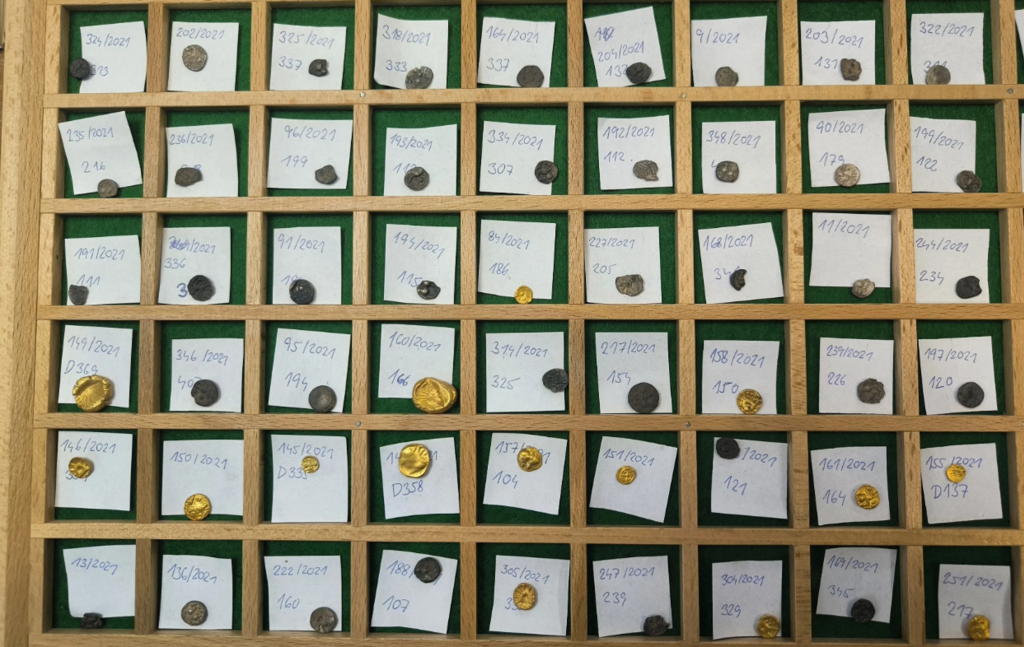
Ta Nea reports on a groundbreaking archaeological discovery in the Czech Republic that is set to rewrite the history of Celtic numismatics. A substantial hoard of around 500 gold and silver coins, alongside 80 pieces of intricate jewelry, has been unearthed in the Pilsen region, dating back to the 6th to 1st centuries BC.
The sheer quantity and variety of these findings are remarkable, especially considering the area has been under cultivation for many years. What makes this discovery particularly exciting for Czech archaeologists, like Daniel Stráník from the Mariánská Týnice museum, is the presence of previously unknown coin types. These could fundamentally change our understanding of Celtic coinage in Bohemia.
Between the gold and silver coins, there are also previously unknown mintings, which may change the current perception of Celtic numismatics in Bohemia.
This find is not just about coins; it also includes unique Hallstatt-era gold jewelry, such as fibulae, bracelets, pendants, and even a bronze horse figurine. The meticulous work of archaeologists, who conducted systematic excavations after an initial find by a metal detector enthusiast in 2021, has brought these ancient treasures to light. The precise location is being kept secret to prevent looting, a common concern in such cases.
From a Czech perspective, this discovery is a source of national pride and a testament to the rich, often overlooked, history of Celtic presence in Central Europe. While international media might focus on the monetary value or the age of the artifacts, for us, it's about uncovering a lost chapter of our own heritage. The ongoing metallurgical analysis to determine the origin of the gold and the exhibition of selected items at the North Pilsen Museum highlight the importance of preserving and studying these invaluable pieces of our past.
The entire collection of gold jewelry from the Hallstatt period is also unique. For example, various fibulae, brooches, bracelets, pendants, and a horse figurine are made of bronze.
DistantNews Editorial
Originally published by Ta Nea in Greek. Translated, summarized, and contextualized by our editorial team with added local perspective. Read our editorial standards.
More Stories


From Our Blog

What Gets Lost (and Found) When News Is Translated

The Critical Role of Diaspora Media in Global News

What Travellers Should Know About Countries with Restricted Press

A Digital Nomad's Guide to Following Local News

How the Same Story Looks Different in Different Countries
