


Iran Formalizes Control Over Strait of Hormuz, Establishes 'Persian Gulf Strait Authority'
Translated from Korean, summarized and contextualized by DistantNews.
TLDR
- Iran has officially established the Persian Gulf Strait Authority (PGSA) to manage and potentially charge fees for passage through the Strait of Hormuz.
- The PGSA requires vessels transiting the strait to submit detailed information, including cargo and destination, via an "Vessel Information Declaration" application.
- The United States has criticized Iran's move, with the US Ambassador to the UN calling it a "de facto" requirement for reporting and fees for using international waterways.
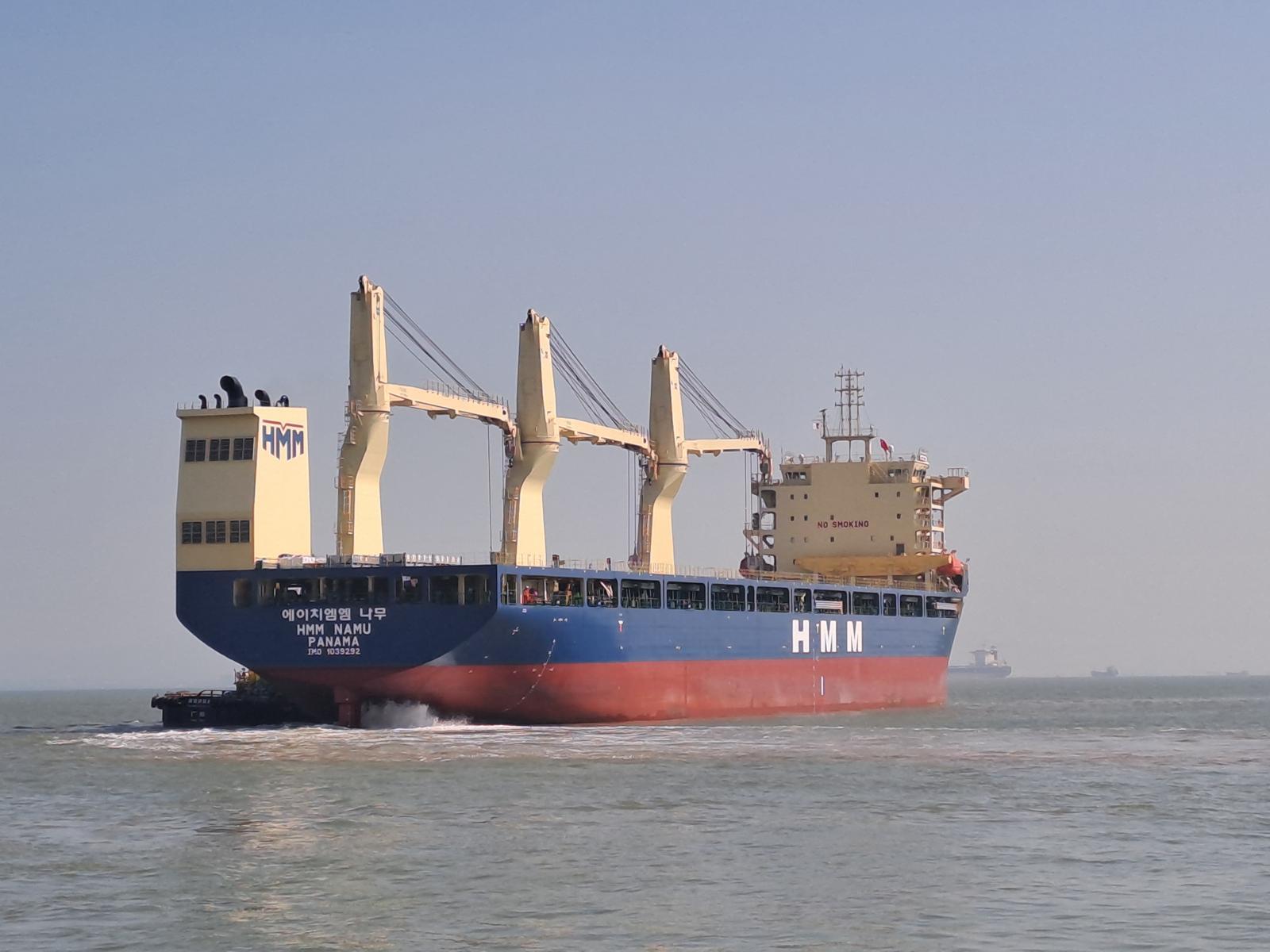
Iran has taken a significant step in asserting its control over the vital Strait of Hormuz by establishing the Persian Gulf Strait Authority (PGSA). This newly formed governmental body is tasked with overseeing maritime traffic and, crucially, has begun requiring vessels to submit detailed 'Vessel Information Declarations' before transiting the strategic waterway. This move, reported by CNN, signals Iran's intent to formalize its influence and potentially generate revenue from international shipping that passes through its waters.
The PGSA's 'Vessel Information Declaration' application demands over 40 pieces of information, including vessel name, identification number, origin, destination, and cargo details. While the application does not explicitly mention transit fees, Iran has previously alluded to imposing such charges as compensation for damages incurred from recent attacks by the United States and Israel. Reports suggest these fees could amount to as much as $2 million per vessel, a substantial sum that could significantly impact global trade and shipping costs.
Iran is de facto forcing reporting procedures and transit fees to use international waterways.
Unsurprisingly, the United States has voiced strong opposition to Iran's actions. US Ambassador to the UN, Mike Waltz, condemned the PGSA's requirements, stating, "Iran is de facto forcing reporting procedures and transit fees to use international waterways." He emphasized that this issue has global implications, underscoring the Strait of Hormuz's critical role in the world's energy supply chain. The US stance highlights the ongoing geopolitical tensions in the region and the differing interpretations of international maritime law and sovereignty.
From Iran's perspective, this move can be seen as an assertion of its sovereign rights and a response to perceived external threats and economic pressures. The establishment of the PGSA and the potential imposition of transit fees could be viewed domestically as a strong stance against foreign interference and a means to bolster national resources. While international media may focus on the disruption to global trade and the potential for conflict, Iranian media might frame this as a necessary measure to protect national interests and ensure regional security. The PGSA's actions are a clear signal of Iran's determination to exert greater control over this crucial chokepoint, with potential ramifications for international relations and maritime commerce.
This is an issue that affects the entire world.
DistantNews Editorial
Originally published by Dong-A Ilbo in Korean. Translated, summarized, and contextualized by our editorial team with added local perspective. Read our editorial standards.
More Stories


From Our Blog

What Gets Lost (and Found) When News Is Translated

The Critical Role of Diaspora Media in Global News

What Travellers Should Know About Countries with Restricted Press

A Digital Nomad's Guide to Following Local News

How the Same Story Looks Different in Different Countries
