

Iran Offers New 14-Point Plan for Hormuz, Prioritizing Conflict Resolution Over Nuclear Talks
Translated from Turkish, summarized and contextualized by DistantNews.
TLDR
- Iran has presented a new 14-point proposal to the US regarding the resolution of conflicts, including the Strait of Hormuz.
- The plan prioritizes resolving the war, blockade, and Hormuz crisis before discussing nuclear issues.
- The US, particularly President Trump, has indicated skepticism towards the proposal, maintaining that Iran has not paid enough for its past actions.
Amidst ongoing discussions between the US and Iran concerning a potential end to hostilities, Iran has put forth a revised 14-point proposal aimed at de-escalating tensions. This plan, conveyed to Washington via Pakistan, notably prioritizes the resolution of the ongoing conflicts and the reopening of the Strait of Hormuz before delving into the nuclear issue, a stark contrast to the US approach.
The specifics of Iran's proposal, as reported by media outlets based on leaked information, outline key demands such as the cessation of all military operations by the US and Israel against Iran, the establishment of international guarantees for a permanent ceasefire, and the lifting of the US naval blockade on Iranian ports. The plan also suggests a one-month period for technical and diplomatic negotiations concerning the Strait of Hormuz, followed by separate talks on the nuclear program.
Kötü bir şey yaparlarsa bu ihtimal gerçekleşebilir… şimdilik bekleyip göreceğiz
However, the reception from the US side, particularly from President Trump, has been far from enthusiastic. Trump's remarks suggest that the proposal is not yet acceptable, stating that Iran has not sufficiently "paid the price" for its actions over the past decades. This stance highlights the fundamental divergence in priorities, with Washington insisting on addressing the nuclear program first, while Tehran seeks to resolve immediate security and economic concerns.
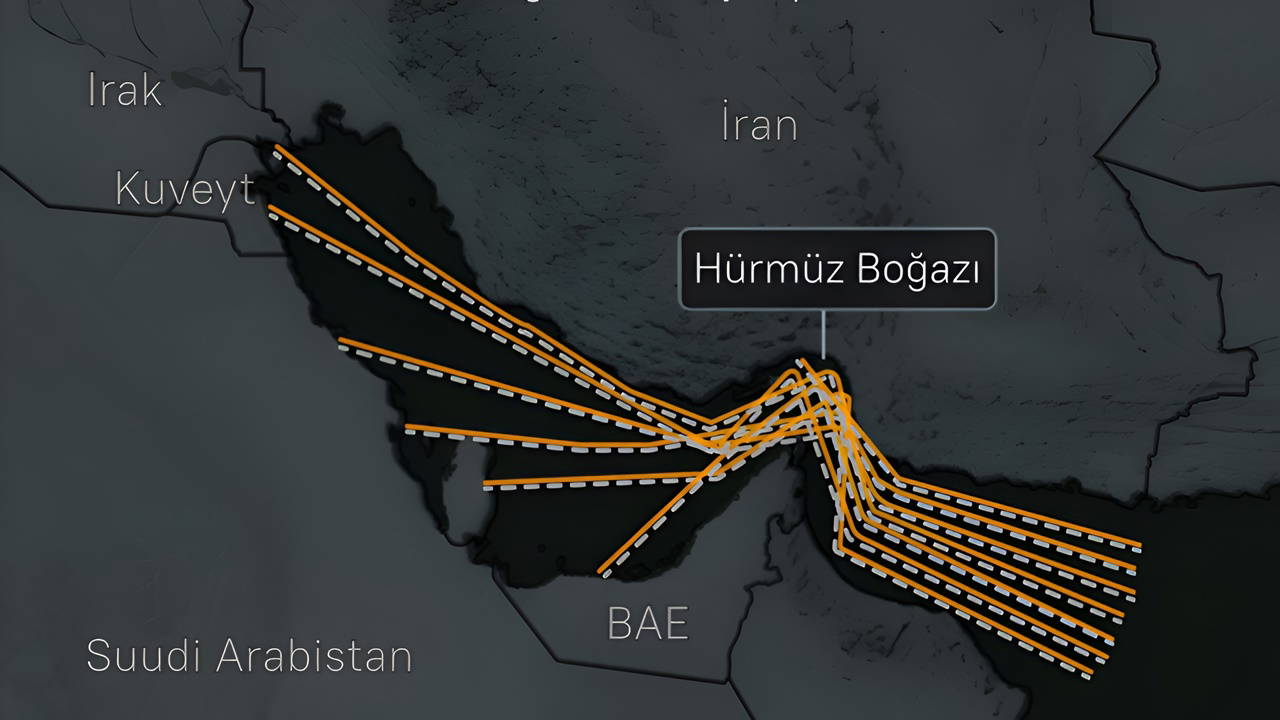
From a Turkish perspective, as reported by Cumhuriyet, this development is crucial. Turkey, often playing a mediating role in regional diplomacy, closely monitors such initiatives. The article emphasizes the strategic importance of the Strait of Hormuz and Iran's desire to regain control over its maritime security and economic lifelines. The Iranian proposal, while ambitious, reflects a calculated strategy to leverage its regional influence and address its grievances before engaging in potentially more contentious nuclear negotiations. The differing approaches underscore the complex geopolitical landscape and the challenges in bridging the gap between Iranian demands and American expectations.
İran, son 47 yılda dünyaya verdiği zarar için henüz yeterince bedel ödemedi
DistantNews Editorial
Originally published by Cumhuriyet in Turkish. Translated, summarized, and contextualized by our editorial team with added local perspective. Read our editorial standards.
More Stories

From Our Blog

What Gets Lost (and Found) When News Is Translated

The Critical Role of Diaspora Media in Global News

What Travellers Should Know About Countries with Restricted Press

A Digital Nomad's Guide to Following Local News

How the Same Story Looks Different in Different Countries
