


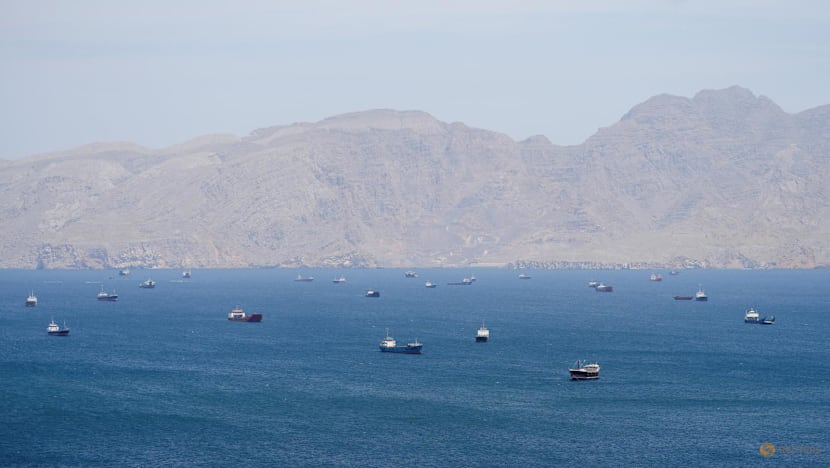
Iran Offers to Reopen Strait of Hormuz if US Lifts Blockade, Ends War
Translated from English, summarized and contextualized by DistantNews.
TLDR
- Iran has offered to reopen the Strait of Hormuz in exchange for the US lifting its blockade and ending the war, with nuclear program talks in a later phase.
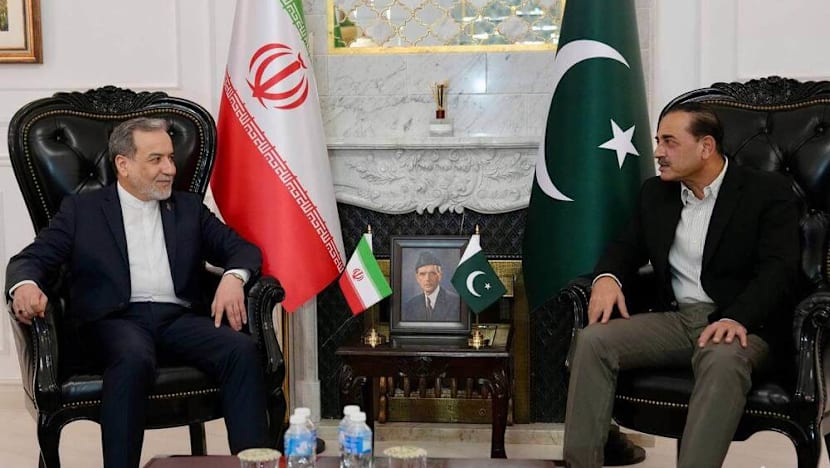
- The US is unlikely to accept the offer, which was relayed via Pakistan, leaving unresolved issues that led to the current conflict.
- The strait's closure has significantly impacted global oil prices, the world economy, and put pressure on the US and its allies.
From Cairo, regional officials revealed a significant Iranian proposal: reopening the vital Strait of Hormuz in return for the United States lifting its blockade and concluding the ongoing war. This offer, conveyed through Pakistan, strategically places nuclear program discussions in a secondary phase. While the US, under President Trump, appears unlikely to accept this deal, the move highlights Iran's leverage amidst a conflict that has disrupted global energy markets. The blockade, designed to cripple Iran's oil revenue, has instead sent oil and gasoline prices soaring, impacting crucial midterm elections and pressuring US allies in the Gulf. The ripple effects extend globally, increasing the cost of essential goods like fertilizer and food. This proposal, reported by Axios, underscores the complex geopolitical maneuvering at play, with Iran using its control over the Strait of Hormuz as a key strategic advantage. The situation remains tense, with a fragile ceasefire in place but no permanent settlement in sight, as thousands have already perished in the war.
Iran has offered to end its chokehold on the Strait of Hormuz in exchange for the United States lifting its blockade on the country and an end to the war, while proposing that discussions on the larger question of its nuclear programme would come in a later phase
DistantNews Editorial
Originally published by CNA in English. Translated, summarized, and contextualized by our editorial team with added local perspective. Read our editorial standards.
More Stories


From Our Blog

What Gets Lost (and Found) When News Is Translated

The Critical Role of Diaspora Media in Global News

What Travellers Should Know About Countries with Restricted Press

A Digital Nomad's Guide to Following Local News

How the Same Story Looks Different in Different Countries
