

Iran vows 'long, painful' response to US, complicates Hormuz reopening
Translated from Malay, summarized and contextualized by DistantNews.
TLDR
- Iran has warned of a 'long and painful' response to any new US attacks, escalating tensions over the Strait of Hormuz.
- The strategic waterway remains closed two months after the conflict, impacting global energy supplies and raising recession fears.
- UN Secretary-General Antonio Guterres cautioned that prolonged disruption could lead to global recession, increased inflation, and widespread poverty.
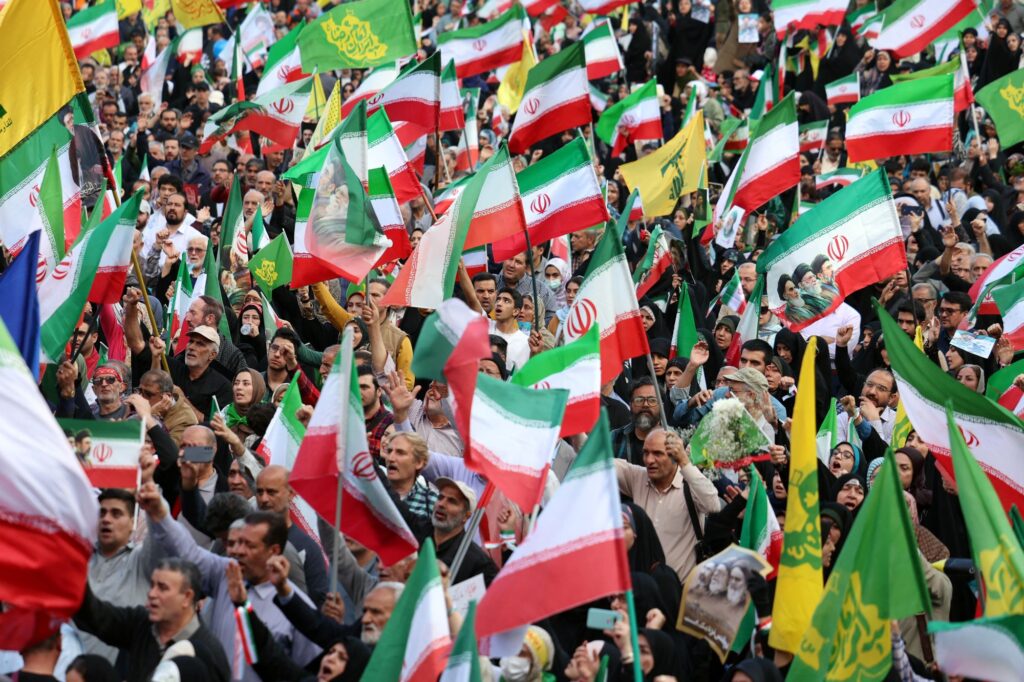
Iran stands firm against American pressure, issuing a stark warning of a 'long and painful' retaliation should the United States resume its attacks. Tehran has reiterated its claim over the Strait of Hormuz, complicating US efforts to form a coalition to reopen this vital waterway. Two months into the US-Israel war against Iran, the critical passage remains closed, disrupting 20 percent of the world's oil and gas supply. This has sent global energy prices soaring and heightened concerns about a potential economic recession.
We see what happens to your regional bases, we will see the same happen to your warships.
A senior official from Iran's Islamic Revolutionary Guard Corps (IRGC) declared that any new US attack, even a limited one, would trigger a 'long and painful' conflict against US positions in the region. "We see what happens to your regional bases, we will see the same happen to your warships," stated Aerospace Force Commander Majid Mousavi. Supreme Leader Ayatollah Mojtaba Khamenei, in a written message to the Iranian people, affirmed that Tehran would eliminate the misuse of the waterway by enemies under the new management of the Strait of Hormuz, signaling Iran's intent to maintain control over this strategic route. "Foreigners who come thousands of kilometers away have no place there except at the bottom of its waters," he asserted.
United Nations Secretary-General Antonio Guterres has warned that if the disruption caused by the closure persists until mid-year, global growth will decline, inflation will rise, and tens of millions of people risk falling into poverty and starvation. "The longer this vital channel remains blocked, the harder it will be to repair the damage," he told reporters in New York. US President Donald Trump faces an official deadline on Friday to end the war or present a case to Congress to extend it under the 1973 War Powers Resolution. However, this date is expected to pass without altering the conflict's direction, as a senior administration official stated that, for the purpose of the resolution, hostilities are considered ended following the ceasefire between Tehran and Washington in April.
Foreigners who come thousands of kilometers away have no place there except at the bottom of its waters.
Efforts to resolve the conflict have reached an impasse, with a ceasefire in effect since April 8. However, Tehran continues to block the Strait of Hormuz as a measure of US naval sanctions on Iran's oil exports, the country's primary economic source. Trump is scheduled to be briefed on a plan for a series of new military strikes to force Iran into negotiations to end the conflict, according to a US official who spoke to Reuters. These options have long been part of US planning, but reports of the proposed briefing, first published by the news site Axios, initially caused a rise in global oil prices.
The longer this vital channel remains blocked, the harder it will be to repair the damage.
DistantNews Editorial
Originally published by Utusan Malaysia in Malay. Translated, summarized, and contextualized by our editorial team with added local perspective. Read our editorial standards.
More Stories

From Our Blog

What Gets Lost (and Found) When News Is Translated

The Critical Role of Diaspora Media in Global News

What Travellers Should Know About Countries with Restricted Press

A Digital Nomad's Guide to Following Local News

How the Same Story Looks Different in Different Countries
