

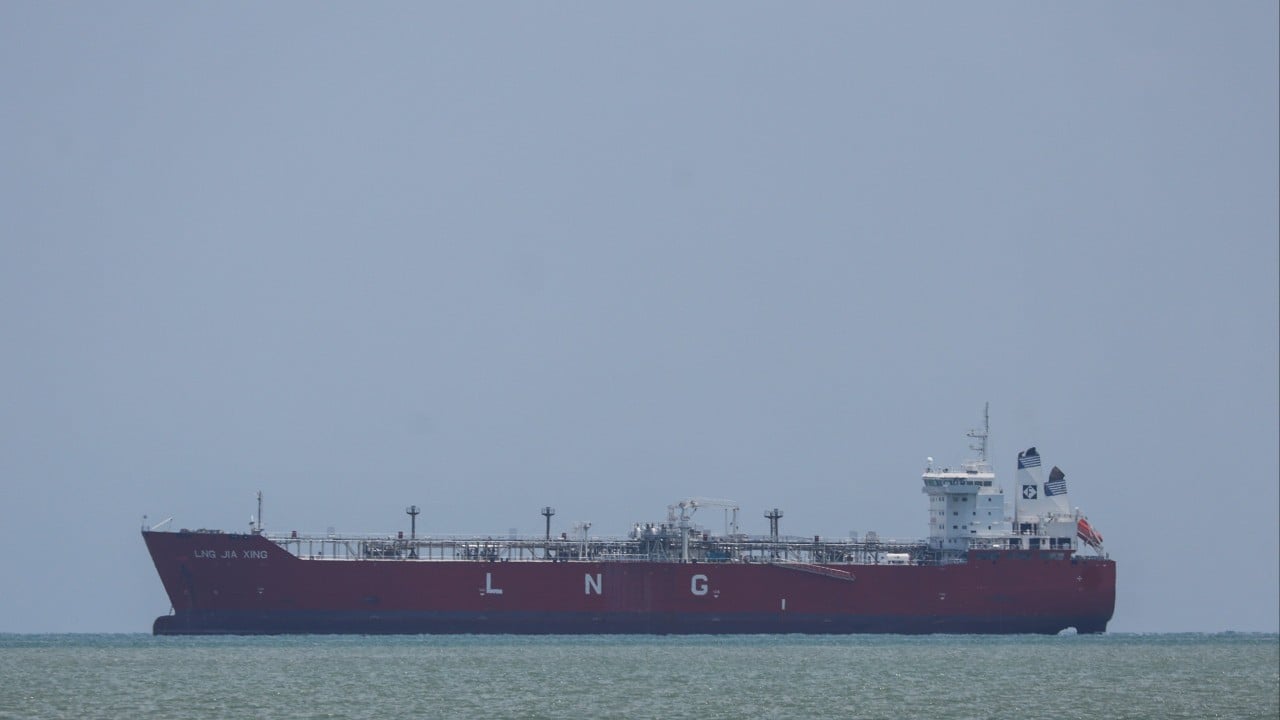

Is Malacca Strait at risk from Hormuz ‘chain reaction’ after warning from Iranian adviser?
Summarized and contextualized by DistantNews.
TLDR
- An Iranian adviser warned of a "chain-reaction response" in critical shipping lanes like the Malacca Strait, following Iran's closure of the Strait of Hormuz.
- The adviser stated that the security of Hormuz, Malacca, and Bab al-Mandab straits is guaranteed by Iran and its partners, including the Houthis.
- The comments came after Iran's Revolutionary Guard navy declared the Strait of Hormuz would remain closed until a US blockade is lifted, escalating regional tensions.
The recent pronouncements from Tehran, particularly the warning of a "chain-reaction response" impacting vital waterways such as the Malacca Strait, underscore the escalating tensions in the Persian Gulf and beyond. Ali Akbar Velayati, an adviser to Iran's Supreme Leader, explicitly linked the security of global shipping lanes, including Hormuz and Malacca, to Iran's strategic posture and its alliances, notably with the Houthi movement in Yemen. This assertion frames the Strait of Hormuz not merely as a regional chokepoint but as a linchpin in a broader geopolitical strategy.
The era of imposing security from across the oceans has come to an end. Today, not only has the security of Hormuz and Malacca been guaranteed under the shadow of our power and that of our strategic partners, but the security of Bab al-Mandab [Strait] is also in the hands of the Ansar Allah brothers
Iran's declaration of a full closure of the Strait of Hormuz, contingent on the lifting of a US blockade, represents a significant escalation. The Revolutionary Guard navy's warning that any vessel approaching the strait would be considered "cooperation with the enemy" and targeted signals a readiness to weaponize this critical maritime passage. This move, occurring just before a fragile ceasefire is set to expire, heightens anxieties about a potential new round of conflict, with Pakistani mediators reportedly working to facilitate further negotiations between Iran and the US.
Any mischief will have a chain-reaction response
From a regional perspective, Velayati's comments serve a dual purpose. They aim to draw international attention to the Hormuz crisis, amplifying Iran's leverage in ongoing diplomatic efforts. Simultaneously, they project an image of regional power and control, suggesting that security in key maritime domains is increasingly dictated by local actors and their strategic partners, rather than external forces. This narrative challenges the established international order and highlights the growing assertiveness of nations seeking to redefine security paradigms in critical global commons.
The Strait of Hormuz would be closed until the US blockade was lifted, warning that approaching the strait would be considered “cooperation with the enemy” and vessels doing so would be targeted.
DistantNews Editorial
Originally published by South China Morning Post. Summarized and contextualized by our editorial team with added local perspective. Read our editorial standards.
More Stories
From Our Blog

Countries Without a Free Press: What You Need to Know

What Press Freedom Means for the News You Read

What Gets Lost (and Found) When News Is Translated

The Critical Role of Diaspora Media in Global News

What Travellers Should Know About Countries with Restricted Press
