

Japan Overhauls Arms Export Rules, Eyes High-End Defense Market
Translated from English, summarized and contextualized by DistantNews.
TLDR
- Japan has revised its overseas arms transfer regulations, allowing for the export of high-end defense platforms, including lethal weapons.
- This move marks a significant departure from Japan's post-war pacifist constitution and decades-long restrictions on lethal arms sales.
- Analysts suggest the change could boost Japan's defense industry, which has lagged behind regional competitors like China and South Korea in global arms exports.
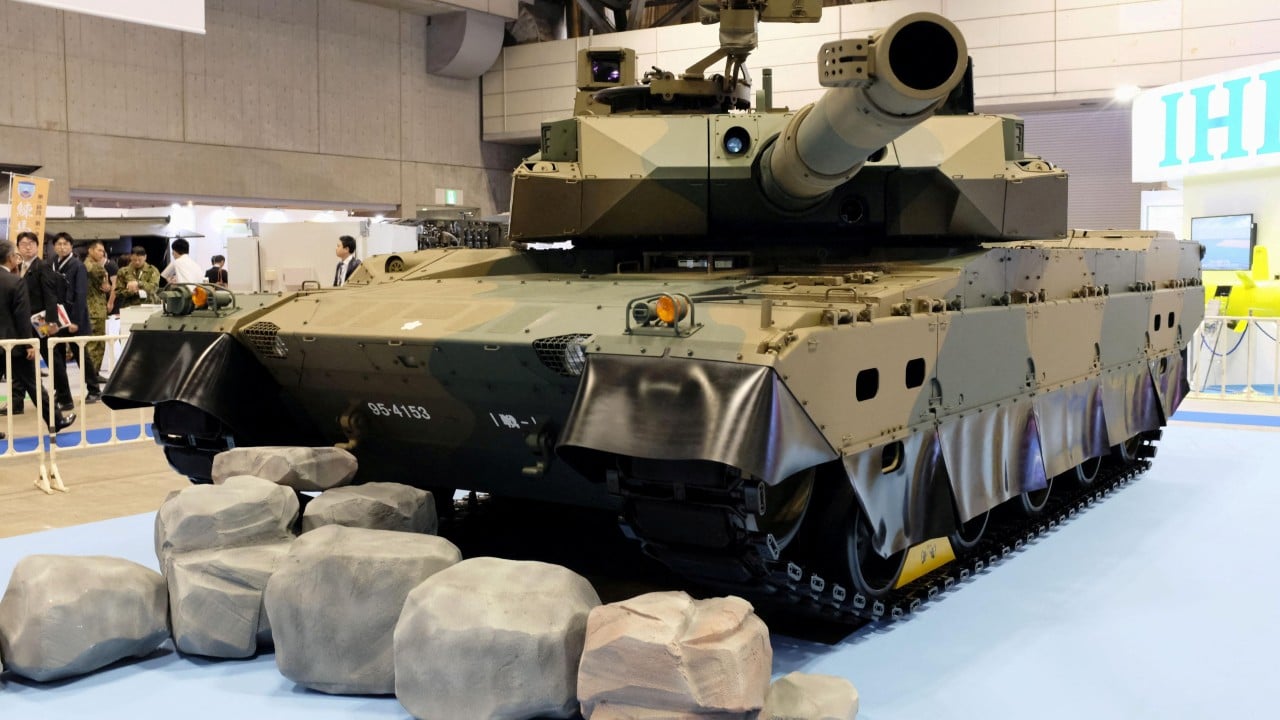
Japan's recent overhaul of its overseas arms transfer regulations signals a pivotal shift in its post-war defense policy, potentially unlocking a new era for its high-end defense industry. The amended Three Principles on Transfer of Defence Equipment and Technology, announced by Prime Minister Sanae Takaichi, now permit Tokyo to export all types of defense platforms, including lethal weapons. This decision dismantles previous restrictions that limited transfers to non-lethal systems, a move analysts believe will pave the way for Japan to export advanced technologies like sixth-generation fighter jets.
The implications of this policy change are profound, representing a significant departure from Japan's long-standing commitment to pacifism enshrined in its constitution. For decades, the nation has largely abstained from exporting lethal weapons, contributing to its minimal share of the global arms market compared to neighbors such as China and South Korea, who are established major exporters. The government's rationale, as stated by Takaichi, centers on the increasingly severe global security environment, necessitating mutual defense support among partner countries.
This strategic recalibration is expected to invigorate Japan's sophisticated defense sector. While the country possesses advanced technological capabilities, its export potential has been severely constrained. The new regulations could provide a much-needed boost, allowing Japanese defense firms to compete more effectively on the international stage. The move, however, is likely to be closely watched by regional powers and international observers, given Japan's historical stance on military exports and the broader geopolitical implications of increased arms proliferation.
In an increasingly severe security environment, no single country can now protect its own peace and security alone, and partner countries that support each other in terms of defence equipment are necessary.
DistantNews Editorial
Originally published by South China Morning Post in English. Translated, summarized, and contextualized by our editorial team with added local perspective. Read our editorial standards.
More Stories

From Our Blog

Countries Without a Free Press: What You Need to Know

What Press Freedom Means for the News You Read

What Gets Lost (and Found) When News Is Translated

The Critical Role of Diaspora Media in Global News

What Travellers Should Know About Countries with Restricted Press
