


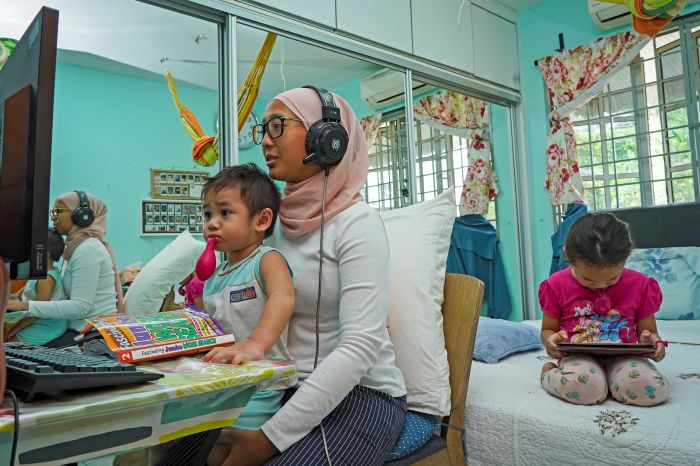
Malaysia Embraces Flexible Work Arrangements for Public Service
Translated from Malay, summarized and contextualized by DistantNews.
TLDR
- Malaysia's government is implementing Flexible Work Arrangements (FKA) to balance public service continuity with current needs.
- FKA includes options like working from home, flexible hours, job rotation, or hybrid models, aiming to optimize human resources and enhance employee well-being.
- These measures align with the amended Employment Act 1955 and new guidelines, addressing rising living costs and complex work demands.
The Malaysian government's introduction of Flexible Work Arrangements (AKF) marks a significant step towards modernizing the public service. By embracing work-from-home, flexible hours, and hybrid models, the administration acknowledges the evolving nature of work and the critical need for better work-life balance. This initiative, supported by the amended Employment Act 1955 and specific guidelines from the Department of Labour Peninsular Malaysia (JTKSM), directly addresses the pressures faced by many working Malaysians, particularly dual-income families struggling to juggle professional responsibilities with family life.
The traditional 9-to-5 structure is increasingly outmoded in an era of digital connectivity where work can permeate all hours. The AKF seeks to mitigate the "24/7 work culture" that often leads to burnout and diminishes quality time with loved ones. The emphasis is not on simply dividing time equally, but on empowering individuals to manage their priorities effectively, ensuring that professional commitment does not overshadow personal happiness and family well-being. This approach recognizes that true balance comes from mindful management of time, emotions, and responsibilities, fostering a more meaningful and less stressful existence.
From a Malaysian perspective, this policy is more than just an HR update; it's a societal adjustment. It reflects a growing understanding that employee welfare is intrinsically linked to productivity and national progress. Unlike some Western narratives that might focus solely on economic output, Malaysia's approach, as highlighted by Utusan Malaysia, prioritizes the holistic well-being of its citizens. The goal is to create a workforce that is both dedicated to their careers and present for their families, ultimately contributing to a more stable and content society. The AKF and WFH are seen as crucial enablers of this vision, promising a future where career success and personal fulfillment are not mutually exclusive.
DistantNews Editorial
Originally published by Utusan Malaysia in Malay. Translated, summarized, and contextualized by our editorial team with added local perspective. Read our editorial standards.
More Stories



From Our Blog

What Gets Lost (and Found) When News Is Translated

The Critical Role of Diaspora Media in Global News

What Travellers Should Know About Countries with Restricted Press

A Digital Nomad's Guide to Following Local News

How the Same Story Looks Different in Different Countries
