


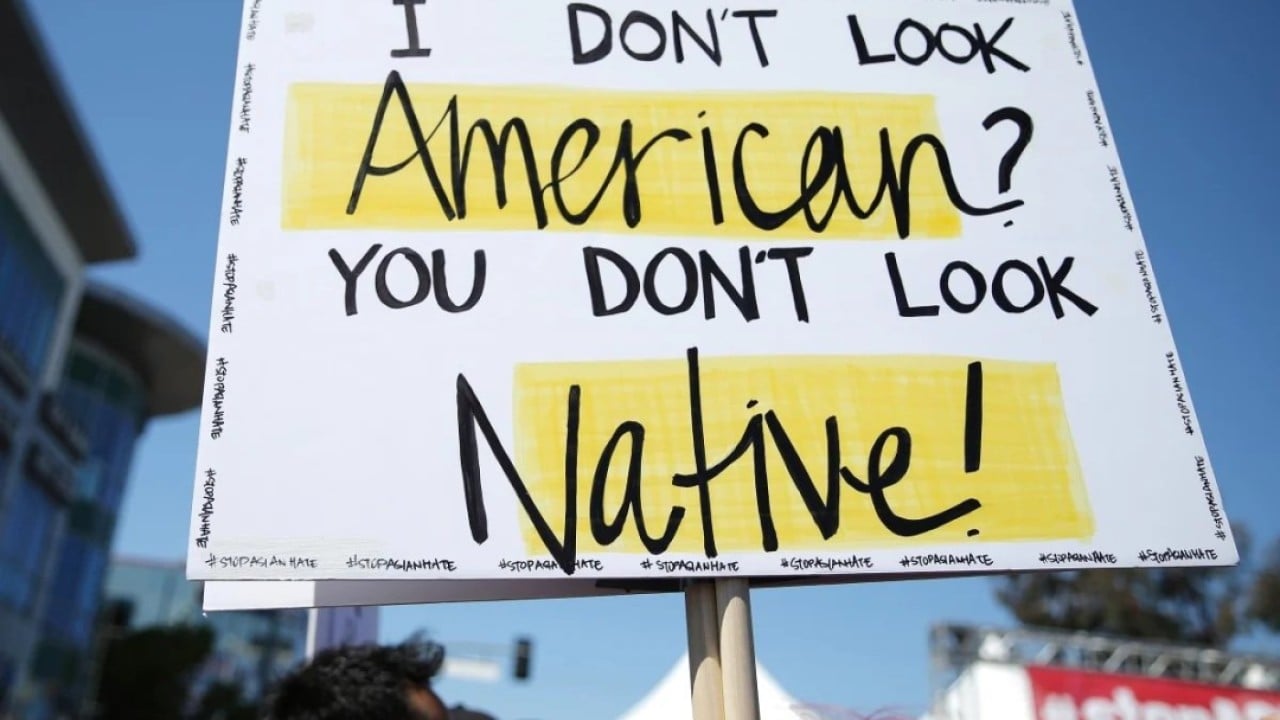
Many Asian-Americans Feel Excluded from 'True' US Identity, Survey Finds
Translated from English, summarized and contextualized by DistantNews.
TLDR
- A survey reveals that many Asian-Americans feel excluded from the 'true' American identity, despite being born and raised in the US.
- While half of all Americans consider being born in the US a key part of being 'truly' American, this figure drops to 23% among Asian-Americans.
- The findings highlight a community concern over being perceived as hardworking and educated but not fully integrated into the national identity.
A recent survey underscores a persistent and deeply felt issue within the Asian-American community: the struggle for full acceptance and recognition as 'truly' American. Despite significant contributions and deep roots in the United States, many Asian-Americans report experiencing a subtle, yet pervasive, sense of being outsiders in their own country.
The survey's findings starkly illustrate this divide. While a majority of Americans equate being American with being born in the U.S., this fundamental definition resonates far less within the Asian-American population. For individuals like Matt King, a 34-year-old graphic designer born in the U.S. to a Canadian-Chinese mother and white father, the experience of being questioned about his American identity is a recurring reality. This points to a societal tendency to view Asian-Americans through a lens of perpetual foreignness, regardless of their birthplace or upbringing.
You’ll always get ... a sprinkling of this ‘you’re not truly American’.
This sentiment of exclusion is not merely about abstract identity; it translates into tangible feelings of not being seen as 'one of us.' The survey highlights a concern that while Asian-Americans are often recognized for their educational achievements and work ethic, this recognition does not always translate into a feeling of belonging. The concept of 'carving out that third space,' as described by King, suggests an ongoing effort to define American identity on their own terms, pushing back against narrow, often racially defined, expectations.
From a U.S. perspective, this survey is a critical reminder that the American identity is still a contested and evolving concept. While the narrative of the U.S. as a melting pot is often celebrated, the reality for many minority groups, including Asian-Americans, involves navigating a complex landscape where belonging is not always guaranteed. The findings challenge the notion of a monolithic American identity and call for a broader, more inclusive understanding that embraces the diverse experiences of all who call the U.S. home. The persistent questioning of Asian-American identity, even among those born and raised stateside, reveals a gap between the ideal of American inclusivity and the lived experiences of a significant segment of the population.
To me, being an American is carving out that third space, like what aspects of public life are you allowed.
DistantNews Editorial
Originally published by South China Morning Post in English. Translated, summarized, and contextualized by our editorial team with added local perspective. Read our editorial standards.
More Stories


From Our Blog

Countries Without a Free Press: What You Need to Know

What Press Freedom Means for the News You Read

What Gets Lost (and Found) When News Is Translated

The Critical Role of Diaspora Media in Global News

What Travellers Should Know About Countries with Restricted Press
