


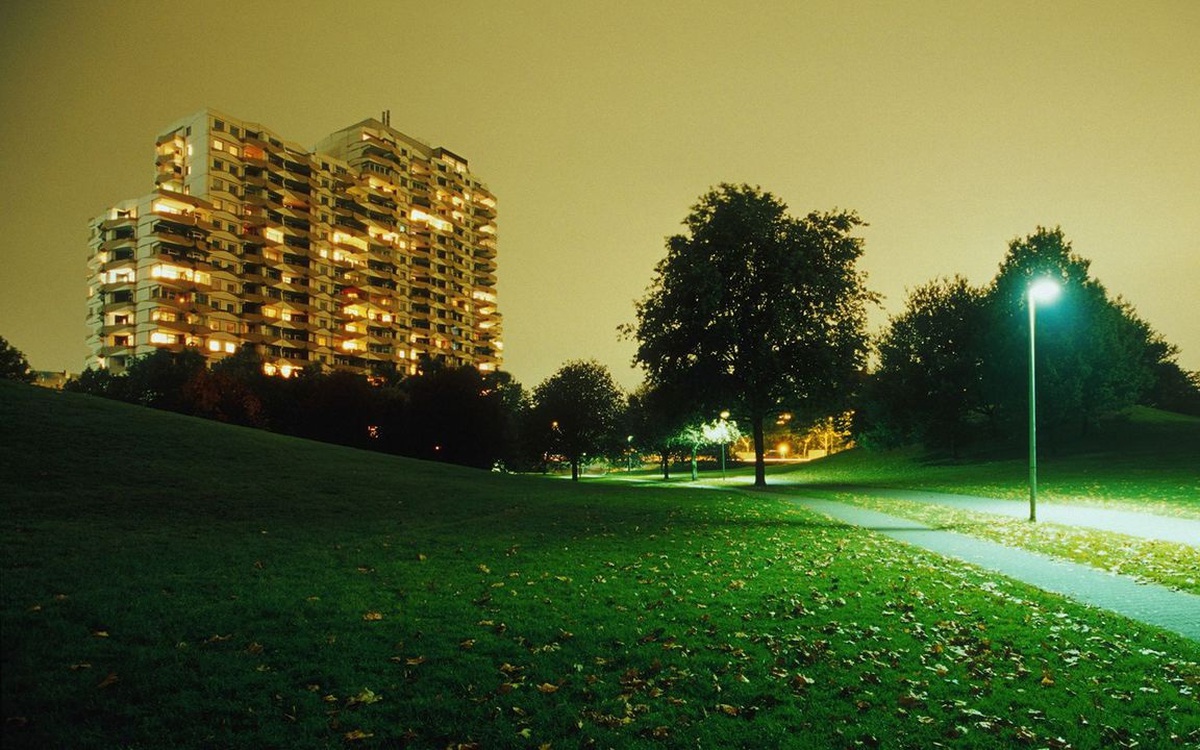
Nighttime Light Linked to Immune System Disorders in Rodents, Study Finds
Translated from Vietnamese, summarized and contextualized by DistantNews.
TLDR
- Nighttime artificial light disrupts the biological rhythms of mammals, including immune system function, according to a study on desert rodents.
- Exposure to artificial light at night caused immune responses to become 'flattened,' reducing the body's ability to react optimally to infections or stress.
- Researchers warn that light pollution poses a significant environmental health risk, potentially impacting wildlife, ecosystems, and human health.
A recent study conducted by researchers in Israel, focusing on desert rodents, has shed light on the detrimental effects of nighttime artificial light on mammalian biological clocks and, consequently, their immune systems. The findings, reported by the Vietnam News Agency (TTXVN) from Tel Aviv, reveal that common artificial light sources, such as LED streetlights, can profoundly disrupt the natural 24-hour cycles that govern vital bodily functions.
The research observed two species of Israeli desert rodents with opposing circadian rhythms. By exposing one group to artificial light at night, scientists noted a significant disruption in their internal biological clocks. This disruption led to a 'flattening' of immune responses, meaning the rodents' bodies lost their natural ability to mount an effective defense against pathogens or environmental stressors. This diminished immune capacity was directly linked to increased mortality rates in the light-exposed group.
This study carries significant implications beyond the animal kingdom. The researchers emphasize that the disruption of circadian rhythms by artificial light is not exclusive to rodents and likely affects humans as well. As our urban environments become increasingly saturated with artificial light, this research serves as a critical warning. It highlights light pollution not merely as an aesthetic issue but as a serious environmental health hazard that compromises immune function and overall well-being. The findings urge a re-evaluation of lighting policies, particularly in urban areas, to mitigate these negative biological impacts.
DistantNews Editorial
Originally published by Tuổi Trẻ in Vietnamese. Translated, summarized, and contextualized by our editorial team with added local perspective. Read our editorial standards.
More Stories
From Our Blog

What Gets Lost (and Found) When News Is Translated

The Critical Role of Diaspora Media in Global News

What Travellers Should Know About Countries with Restricted Press

A Digital Nomad's Guide to Following Local News

How the Same Story Looks Different in Different Countries
