



One says – try, others – accept yourself, still others – eat right and love yourself. What is the reality of treating excess weight?
Translated from Latvian, summarized and contextualized by DistantNews.
TLDR
- The article explores the complex reality of treating excess weight, moving beyond simplistic advice to focus on it as a chronic illness.
- Psychologists and doctors emphasize that weight issues are not due to a lack of willpower but require medical intervention.
- Personal stories highlight the emotional toll of weight struggles, including shame and helplessness, and the need for a compassionate, medical approach.
In Latvia, we're witnessing a significant shift in how excess weight is understood and treated. Gone are the days when individuals were simply told to 'try harder' or 'eat less.' Our publication, Delfi Latvia, recognizes that this is a complex health issue, often stemming from deeper psychological and physiological factors, not a failure of character.
In some weeks, even three boxes go!
Psychologist Kari Kūlmans notes the emotional toll, with patients often in tears not from weakness, but from sheer helplessness after trying countless diets. This resonates deeply with the Latvian experience, where societal pressures can exacerbate feelings of shame and guilt associated with weight. It's crucial to acknowledge that for many, this isn't a matter of willpower; it's a chronic condition requiring professional medical and psychological support.
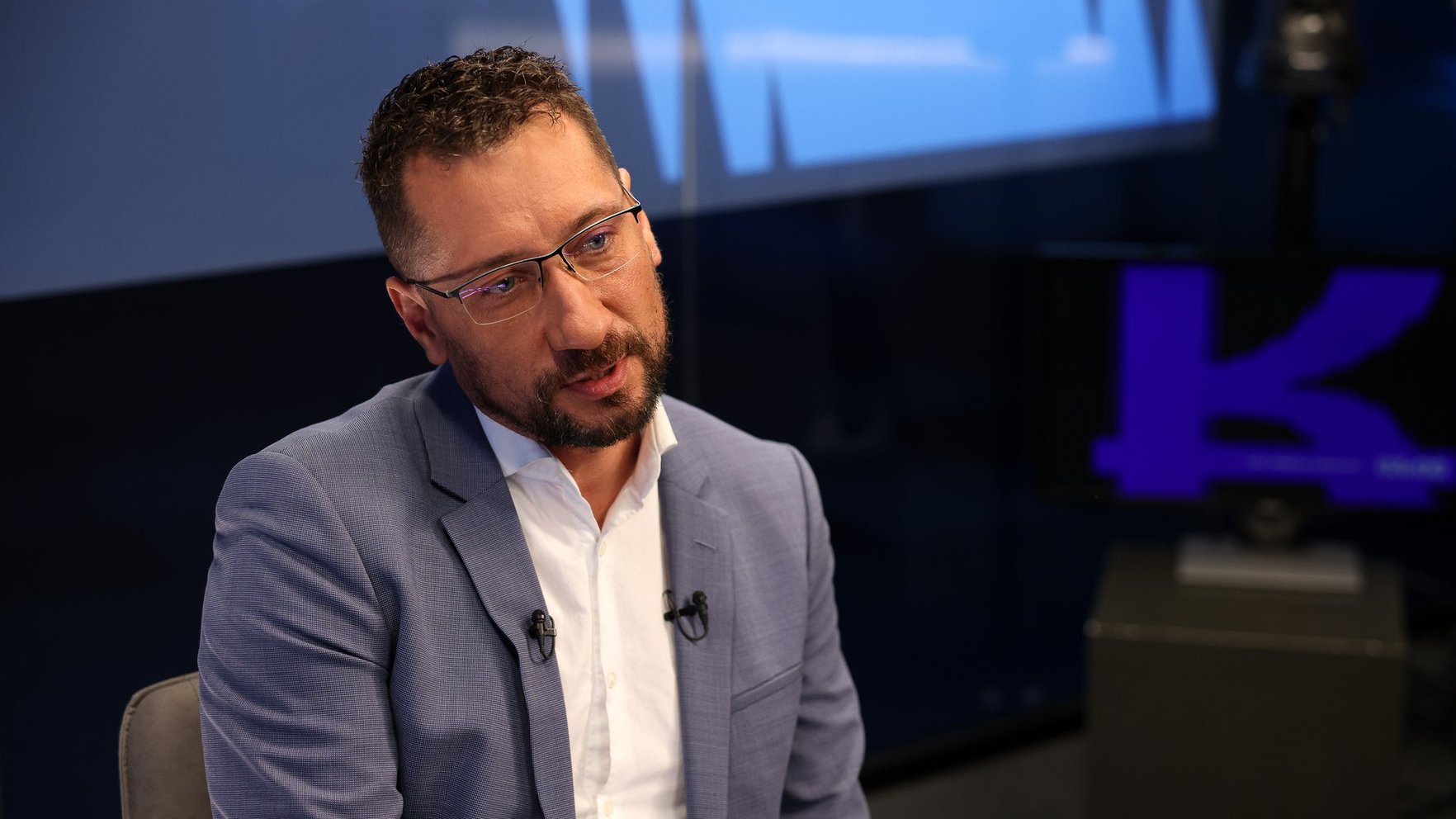
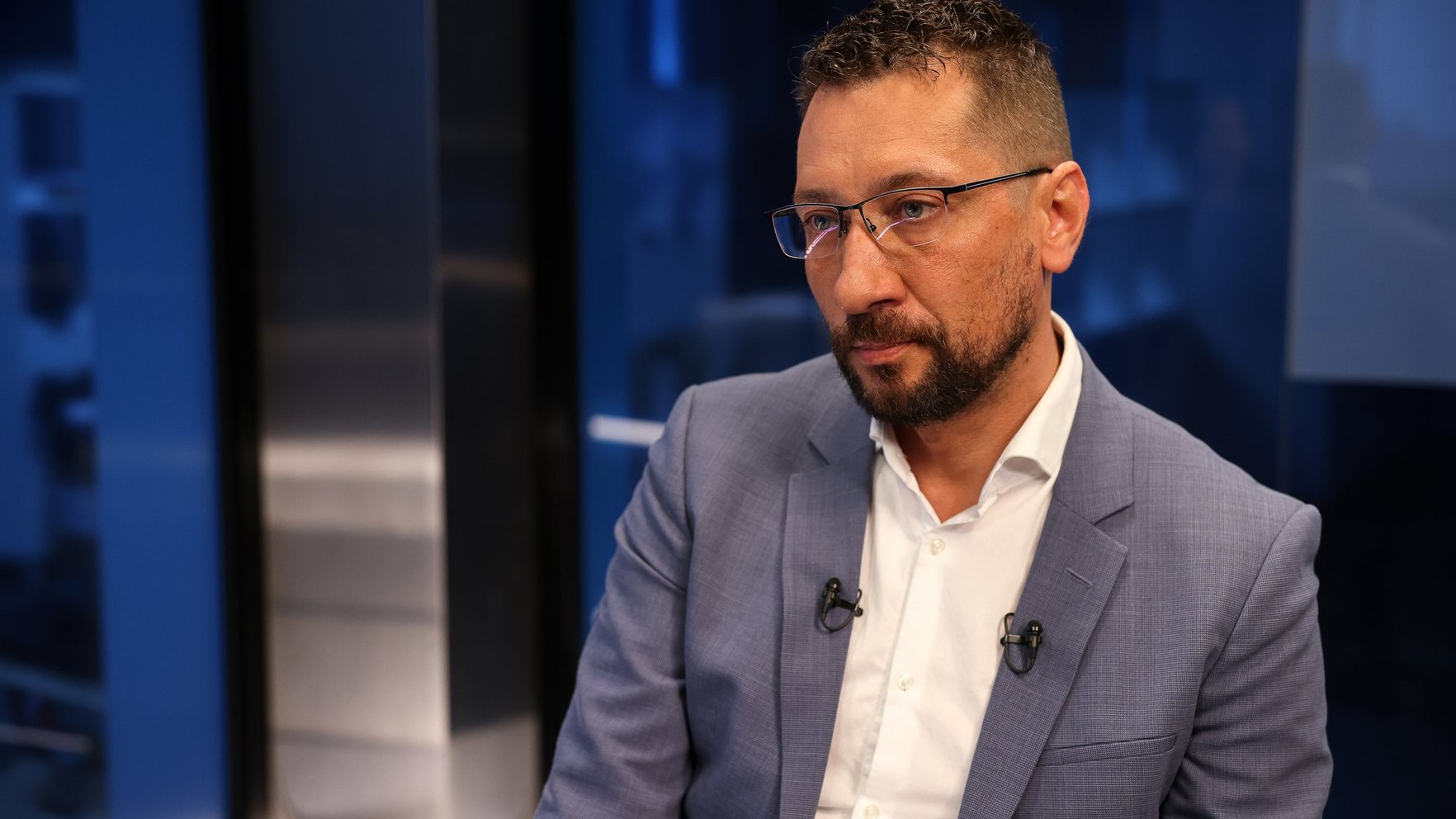
Family doctor Marko Elluks underscores this point, stating that patients are now being told directly that their struggle is with a chronic illness, not a character flaw. This reframing is vital. In Latvia, like elsewhere, the narrative has often been one of personal failing. However, by adopting a medical perspective, we empower individuals to seek appropriate treatment and reduce the stigma they face. The personal stories shared, like that of Aleksandrs Popovs, illustrate the lifelong impact of weight issues, from childhood bullying to the emotional consequences of life changes, reinforcing the need for a comprehensive and empathetic approach.
When a person comes to us, we immediately state clearly that it's not about character or willpower, but a chronic illness that needs to be treated.
This nuanced understanding is essential for public health initiatives and individual well-being. Delfi Latvia is committed to bringing these important conversations to the forefront, challenging outdated notions and promoting a more informed, supportive environment for those struggling with their weight.
I was bullied... because of insecurity.
DistantNews Editorial
Originally published by Delfi Latvia in Latvian. Translated, summarized, and contextualized by our editorial team with added local perspective. Read our editorial standards.
More Stories

From Our Blog

What Gets Lost (and Found) When News Is Translated

The Critical Role of Diaspora Media in Global News

What Travellers Should Know About Countries with Restricted Press

A Digital Nomad's Guide to Following Local News

How the Same Story Looks Different in Different Countries
