


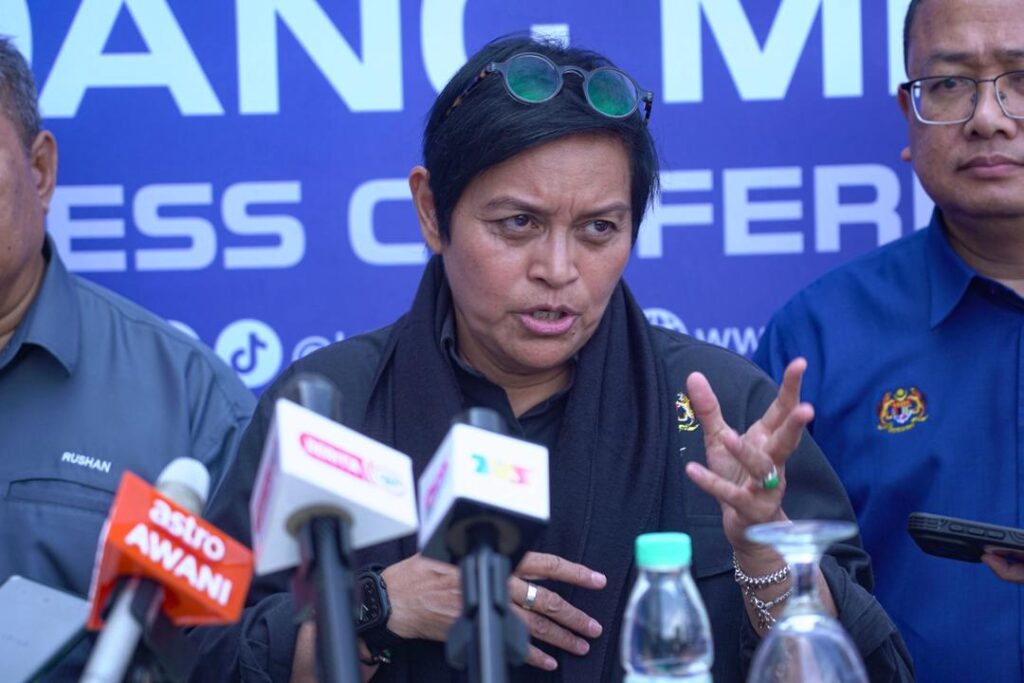
PM Term Limit Won't Affect States
Translated from Malay, summarized and contextualized by DistantNews.
TLDR
- A proposed 10-year term limit for the Prime Minister in Malaysia would not affect state-level administrations.
- The move aims to prevent any single individual from holding federal power for too long.
- Prime Minister Anwar Ibrahim is praised for his willingness to implement such a limit.
Utusan Malaysia views the proposed 10-year term limit for the Prime Minister as a significant step towards institutional reform and a healthier democratic process in Malaysia. The publication emphasizes that this federal-level change will not impinge on the autonomy of state governments, which operate under different political dynamics. By highlighting Prime Minister Anwar Ibrahim's endorsement of the limit, the article frames it as a testament to his commitment to good governance and a departure from past practices where leaders were reluctant to impose such constraints on themselves. The piece contrasts this forward-looking approach with the entrenched power structures within certain political parties, suggesting that some leaders prefer to hold onto power indefinitely. The proposed amendment, set to be debated in Parliament, is presented as a crucial component of the Madani government's reform agenda, designed to strengthen the nation's democratic foundations for the long term. This initiative is seen as a positive move that aligns with the principles of accountability and regular leadership transitions.
Perdana Menteri, Datuk Seri Anwar Ibrahim wajar dipuji kerana bersedia mengehadkan tempoh jawatannya sendiri.
DistantNews Editorial
Originally published by Utusan Malaysia in Malay. Translated, summarized, and contextualized by our editorial team with added local perspective. Read our editorial standards.
More Stories
From Our Blog

What Gets Lost (and Found) When News Is Translated

The Critical Role of Diaspora Media in Global News

What Travellers Should Know About Countries with Restricted Press

A Digital Nomad's Guide to Following Local News

How the Same Story Looks Different in Different Countries
