


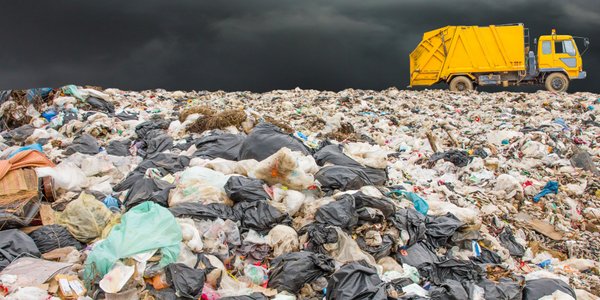
Poland's waste management law: clarifying the line between collection and processing
Translated from Polish and summarized by DistantNews. Read the original for the full story.
At a glance
Analysis
Sources not specified
Context piece
- Poland's Waste Act defines waste collection and processing, but a clear distinction remains challenging in practice.
- Activities like baling, pressing, or shredding can be interpreted as either collection (logistical optimization) or processing (preparation for recovery).
- The interpretation depends on the specific case's objective, scope, and outcome, highlighting a need for clearer guidelines or case law.
Navigating Poland's waste management regulations presents a persistent challenge for businesses, particularly in distinguishing between the legal definitions of waste collection and waste processing. While the Waste Act of December 14, 2012, provides definitions for both, the practical application of these terms often leads to significant interpretational issues.
The core of the problem lies in activities that serve dual purposes, such as baling, pressing, or shredding waste. These actions can be undertaken solely to optimize logistics and facilitate transport by reducing volume or simplifying loading. However, they can also be considered part of the preparation process for waste recovery, thus falling under the definition of processing.
According to the law, waste collection involves gathering waste before transport to processing sites, including preliminary sorting. Crucially, these activities must not fundamentally alter the waste's character, composition, or classification. Waste processing, conversely, encompasses recovery or disposal processes, including preparatory stages.
The ambiguity arises because the same physical actions, like baling or shredding, can be classified differently based on their primary objective and ultimate result. If the goal is purely logistical optimization for transport, it may be considered collection. If these actions prepare the waste for recovery, they constitute processing.
This nuanced distinction means that each case requires individual assessment. The law aims to draw a clear line, allowing organizational or logistical actions during collection but prohibiting interventions that change the waste's properties and classification. Currently, the lack of detailed guidelines or consistent judicial interpretation leaves businesses in a state of uncertainty, with calls for clearer general interpretations or a unified body of case law to resolve these practical dilemmas.
About this summary
Originally published by Rzeczpospolita in Polish. Translated, summarized, and contextualized automatically by DistantNews, with a note on how the source frames the story. Not individually reviewed before publishing. How this works.
More Stories


From Our Blog

What Gets Lost (and Found) When News Is Translated

The Critical Role of Diaspora Media in Global News

What Travellers Should Know About Countries with Restricted Press

A Digital Nomad's Guide to Following Local News

How the Same Story Looks Different in Different Countries
