

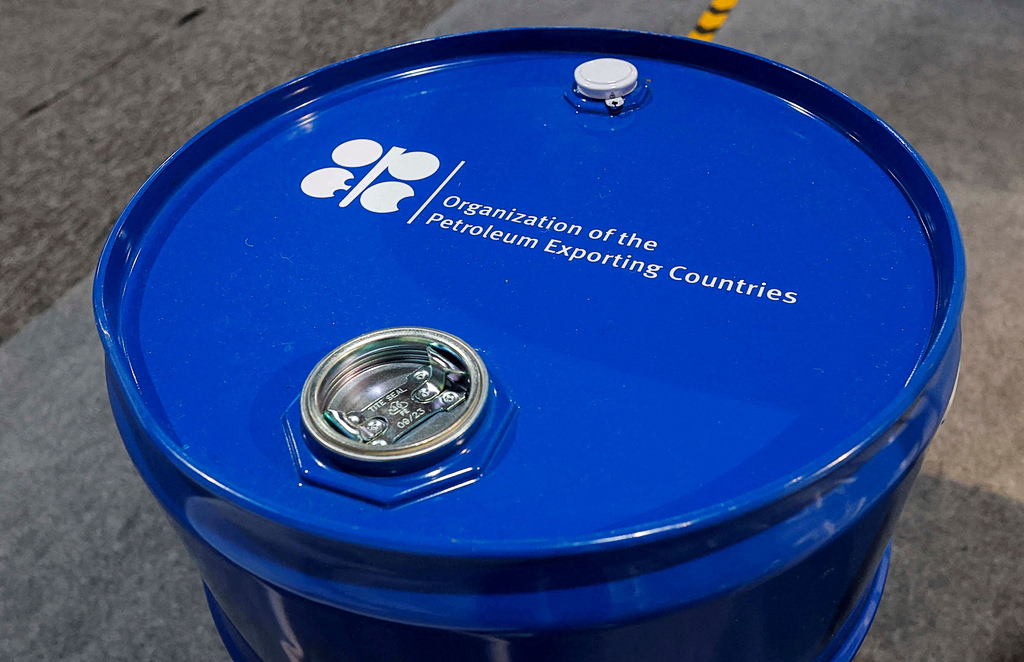
Reuters: UAE Quits OPEC, Sending Shockwaves Through Oil Market
Translated from Greek, summarized and contextualized by DistantNews.
TLDR
- The United Arab Emirates has announced its withdrawal from OPEC and OPEC+ amidst a severe energy crisis.
- This move is expected to significantly reshape the global oil market and potentially weaken OPEC's influence, particularly for its de facto leader, Saudi Arabia.
- The UAE's decision reflects growing regional tensions and a desire for a more independent foreign policy, potentially aligning with US interests against OPEC's pricing strategies.
In a seismic development with far-reaching geopolitical and economic consequences, the United Arab Emirates has declared its departure from OPEC and OPEC+, the influential group of oil-exporting nations. This decision, reported by Reuters, comes at a critical juncture, amidst the most profound energy turmoil in recent years and a war in the Middle East that has disrupted global supply chains. The UAE's exit is poised to dramatically alter the balance of power within the global oil market.
The departure of a key member like the UAE raises serious questions about the cohesion of OPEC, an organization that has historically strived to present a united front despite internal disagreements. This development is particularly significant for Saudi Arabia, the group's de facto leader, which has been working to maintain control over oil production and prices. The UAE's move signals a potential fracturing of this unified approach, at a time when navigating the complexities of global energy security has become paramount.
Furthermore, the UAE's decision is being interpreted as a strategic alignment with the interests of US President Donald Trump, who has repeatedly accused OPEC of exploiting the global market through inflated oil prices. Trump has linked the military protection provided by the US to Gulf nations with their energy policies, suggesting that Washington's allies have unfairly benefited from the current situation. This move by the UAE could be seen as a response to perceived insufficient political and military support from regional partners during recent escalations, reflecting Abu Dhabi's growing desire to chart a more autonomous strategic course in the region.
The United Arab Emirates said it quit OPEC and OPEC+, dealing a heavy blow to the oil exporting groups and their de facto leader, Saudi Arabia, at a time when the Iran war has caused a historic energy shock and unsettled the global economy
DistantNews Editorial
Originally published by Ta Nea in Greek. Translated, summarized, and contextualized by our editorial team with added local perspective. Read our editorial standards.
More Stories



From Our Blog

What Gets Lost (and Found) When News Is Translated

The Critical Role of Diaspora Media in Global News

What Travellers Should Know About Countries with Restricted Press

A Digital Nomad's Guide to Following Local News

How the Same Story Looks Different in Different Countries
