


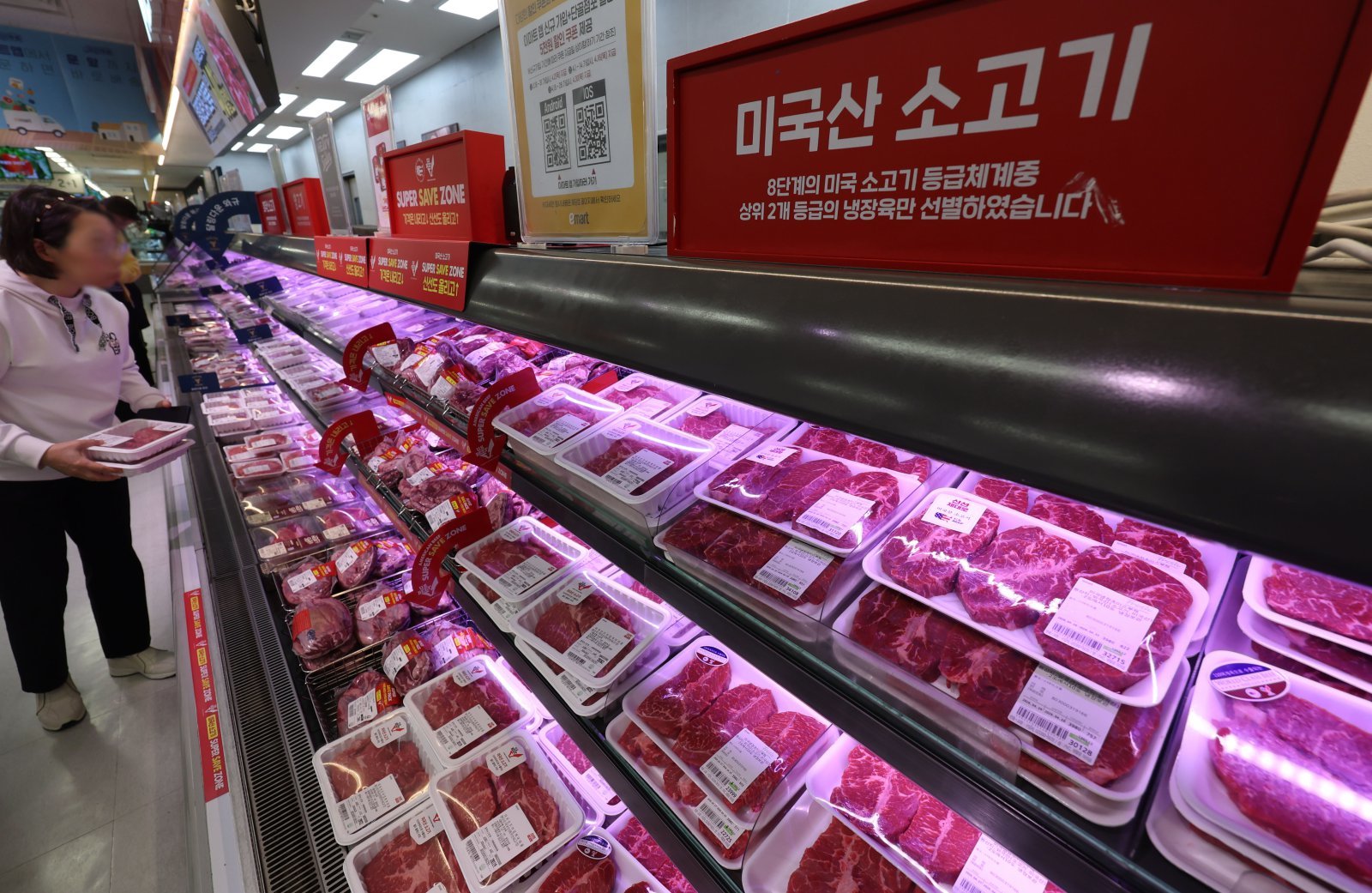
Rising Imported Meat Prices Exacerbate South Korea's Food Inflation Woes
Translated from Korean, summarized and contextualized by DistantNews.
TLDR
- Global oil price instability and currency fluctuations are driving up the cost of imported and domestic meat and eggs in South Korea.
- The rising prices of imported alternatives, traditionally used to buffer domestic cost increases, are weakening their price-stabilizing effect.
- The government is implementing measures like discounts and import expansions, but their effectiveness may be limited due to the broad nature of the price hikes.
The escalating cost of essential foodstuffs, particularly meat and eggs, is placing a significant burden on South Korean households. This isn't just a minor fluctuation; it's a pervasive rise across the board, impacting both domestic produce and previously affordable imported alternatives. The traditional role of imported goods as a price buffer is eroding, leaving consumers with fewer options to escape the inflationary pressure.
The rising prices of imported alternatives, traditionally used to buffer domestic cost increases, are weakening their price-stabilizing effect.
The confluence of global oil price volatility, driven by geopolitical tensions in the Middle East, and currency exchange rate fluctuations is creating a perfect storm for the agricultural sector. These external factors directly translate into higher feed and logistics costs, which are then passed down to consumers. The situation is particularly concerning as it affects staple foods, directly impacting the daily lives and budgets of ordinary South Koreans.
The confluence of global oil price volatility, currency exchange rate fluctuations, and rising feed and logistics costs is creating a perfect storm for the agricultural sector.
While the government has announced various relief measures, including discount programs and increased imports, there's a palpable concern that these efforts might fall short. The broad-based nature of the price increases, affecting even previously cheaper imported options, suggests that the underlying economic pressures are substantial. Consumers are keenly watching to see if these interventions can genuinely alleviate the strain on their wallets, especially with key consumption periods approaching.
While the government has announced various relief measures, including discount programs and increased imports, there's a palpable concern that these efforts might fall short.
DistantNews Editorial
Originally published by Dong-A Ilbo in Korean. Translated, summarized, and contextualized by our editorial team with added local perspective. Read our editorial standards.
More Stories


From Our Blog

What Gets Lost (and Found) When News Is Translated

The Critical Role of Diaspora Media in Global News

What Travellers Should Know About Countries with Restricted Press

A Digital Nomad's Guide to Following Local News

How the Same Story Looks Different in Different Countries
