

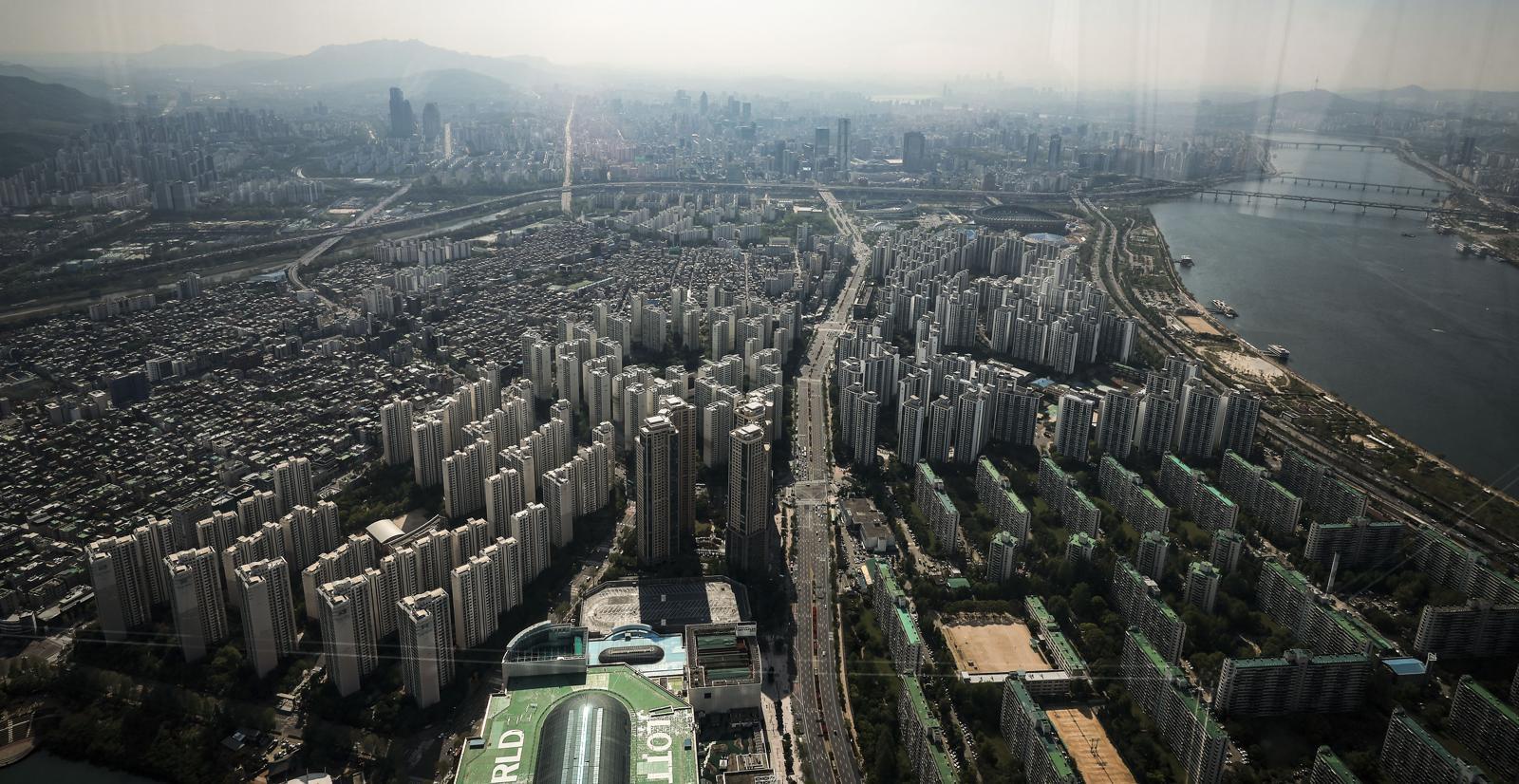
Seoul Land Prices Soar 1.10% in Q1; Gangnam Leads National Gains
Translated from Korean, summarized and contextualized by DistantNews.
TLDR
- Seoul's land prices rose by 1.10% in the first quarter, significantly outpacing the national average increase of 0.59%.
- Gangnam-gu recorded the highest land price increase nationwide at 1.50%, followed by Yongsan-gu and Seocho-gu within Seoul.
- Despite a surge in transactions in March, government and city measures, such as expanding speculative transaction zones, have led to a sharp decline in April transactions.
Seoul's real estate market continues its upward trajectory, with land prices in the capital city experiencing a notable surge of 1.10% in the first quarter of the year. This figure more than doubles the national average increase of 0.59%, underscoring Seoul's persistent appeal and the robust demand for property within its limits. The data, released by the Korea Real Estate Board, paints a picture of a dynamic market where certain districts are seeing particularly dramatic appreciation.
Leading the charge is Gangnam-gu, an area synonymous with affluence and high-value real estate, which saw a remarkable 1.50% rise in land prices, marking it as the highest increase across the entire country. This is closely followed by other prestigious districts like Yongsan-gu (1.31%) and Seocho-gu (1.26%), indicating a strong performance in Seoul's prime real estate sectors. The broader trend within Seoul also shows significant gains in areas like Yeongdeungpo-gu, Seongdong-gu, and Songpa-gu, among others, reflecting a city-wide upward movement.
Interestingly, the first quarter also witnessed a surge in real estate transactions, with Seoul apartment sales exceeding 9,000 in March alone – the highest volume in 56 months. However, this boom appears to have been met with a swift response from authorities. Concerned by the rapid price escalation, the government and Seoul Metropolitan Government expanded speculative transaction zones to include all apartments in Gangnam 3 districts and Yongsan-gu. This regulatory intervention has had a chilling effect on the market, with transactions in these areas plummeting by 1.6% from March to April.
From our perspective in South Korea, this report highlights the ongoing challenge of managing a hot real estate market. While the appreciation in areas like Gangnam is often seen as a reflection of economic vitality and desirability, the government's intervention signals a commitment to curbing excessive speculation and ensuring market stability. Unlike some Western media that might focus solely on the investment aspect, our coverage emphasizes the socio-economic implications, including affordability and the impact of government policies on ordinary citizens. The expansion of speculative zones is a clear signal that stability, not just growth, is a key objective for policymakers, a nuance that is particularly relevant in a society where property ownership is a significant aspiration.
DistantNews Editorial
Originally published by Dong-A Ilbo in Korean. Translated, summarized, and contextualized by our editorial team with added local perspective. Read our editorial standards.
More Stories

From Our Blog

What Gets Lost (and Found) When News Is Translated

The Critical Role of Diaspora Media in Global News

What Travellers Should Know About Countries with Restricted Press

A Digital Nomad's Guide to Following Local News

How the Same Story Looks Different in Different Countries
