


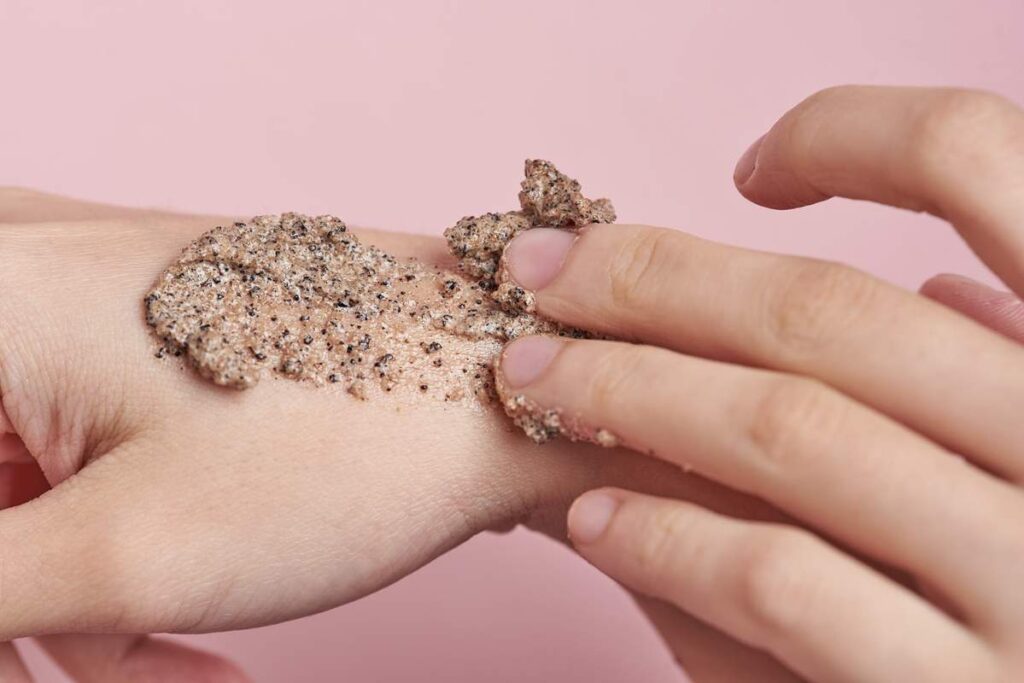
Safely Remove Dead Skin Cells
Translated from Malay, summarized and contextualized by DistantNews.
TLDR
- Exfoliation, the process of removing dead skin cells, is a crucial part of skincare routines but carries risks if not done correctly.
- Dermatologists explain that exfoliation helps renew the skin, which naturally sheds dead cells every 28 days, but this process can be uneven, leading to dullness and acne.
- Both physical (using scrubs) and chemical (using acids like AHA, BHA, PHA) exfoliation methods exist, with chemical methods generally considered safer and more controllable, especially for sensitive skin types.
In Malaysia, the pursuit of healthy and radiant skin is a growing concern, and understanding the nuances of exfoliation is key. Utusan Malaysia highlights the importance of this skincare step, emphasizing that while it offers benefits like a cleaner, smoother complexion, improper application can lead to adverse effects.
Exfoliation or the process of removing dead skin cells is now increasingly becoming an important part of the skincare routine.
Dr. How Kang Nien, a consultant dermatologist, explains the natural skin renewal cycle and how exfoliation assists in removing accumulated dead cells. The article delves into the two primary types of exfoliation: physical, which uses abrasive materials, and chemical, which employs active ingredients like AHAs and BHAs. While physical exfoliation can be effective, it poses a risk of skin damage if the particles are too coarse or used excessively. Chemical exfoliation, on the other hand, is presented as a safer alternative due to its controllable concentrations, with certain ingredients like PHA and lactic acid being gentler for sensitive skin.
Naturally, human skin goes through a renewal cycle every 28 days. However, this process does not occur evenly in all individuals, causing some parts of the skin to be slow in shedding dead cells.
The piece stresses the importance of selecting exfoliation methods tailored to individual skin types to prevent side effects. For sensitive skin, aggressive ingredients like salicylic acid are discouraged, with gentler alternatives such as mandelic acid, lactic acid, or gluconolactone recommended. The frequency of exfoliation is also crucial, with normal skin types advised to exfoliate two to three times a week, and sensitive skin only once a week. Over-exfoliation can damage the skin's protective barrier, leading to inflammation, pigmentation, and scarring, and in severe cases, chemical burns.
This method can injure the skin if the particles are too rough or used excessively.
Utusan Malaysia aims to educate its readers on how to achieve optimal skin health safely. The article provides practical advice, noting that exfoliation can help manage acne, particularly through salicylic acid's pore-cleansing properties. However, it reiterates the need for caution and the availability of alternatives like retinol or azelaic acid for sensitive skin, which also help control oil production and reduce inflammation. This comprehensive guide empowers Malaysians to make informed decisions about their skincare routines.
This method is safer because its concentration can be controlled more accurately.
DistantNews Editorial
Originally published by Utusan Malaysia in Malay. Translated, summarized, and contextualized by our editorial team with added local perspective. Read our editorial standards.
More Stories



From Our Blog

What Gets Lost (and Found) When News Is Translated

The Critical Role of Diaspora Media in Global News

What Travellers Should Know About Countries with Restricted Press

A Digital Nomad's Guide to Following Local News

How the Same Story Looks Different in Different Countries
