


Small-Scale Farmers Face Fertilizer Shortage Crisis
Translated from Malay, summarized and contextualized by DistantNews.
TLDR
- Malaysia faces a significant fertilizer shortage due to geopolitical tensions and export restrictions from China, impacting global food security.
- The rising cost and unpredictable availability of fertilizer disproportionately affect small-scale farmers, threatening their livelihoods.
- The Malaysian government acknowledges the challenge, emphasizing the need for domestic solutions and reduced reliance on imports to ensure food security.
The global fertilizer crunch, fueled by geopolitical tensions and export curbs, is hitting Malaysian agriculture hard, particularly small-scale farmers who are the backbone of our food supply. Reports from the World Trade Organization highlight the dual threat of production shortfalls and price hikes, directly impacting global food security. For Malaysia, this isn't just an economic issue; it's a matter of national resilience.
Our reliance on imports, with China supplying a third of our fertilizer needs, leaves us vulnerable. Coupled with disruptions in key shipping routes like the Strait of Hormuz, the cost and delivery times for essential agricultural inputs have skyrocketed. Local producers are already halting new orders as raw material prices surge by up to 150%. This situation is particularly dire for smallholders, whose tight margins and limited land make absorbing these shocks nearly impossible.
Deputy Prime Minister Datuk Amar Haji Fadillah Bin Haji Yusof rightly pointed out the domino effect of rising input costs, leading to food inflation that ultimately burdens consumers. The nation's dependence on external supply chains makes us susceptible to global economic shocks. While large-scale farms might absorb some of the price increases, the survival of small-scale farmers, who feed many of our communities, is genuinely at risk.
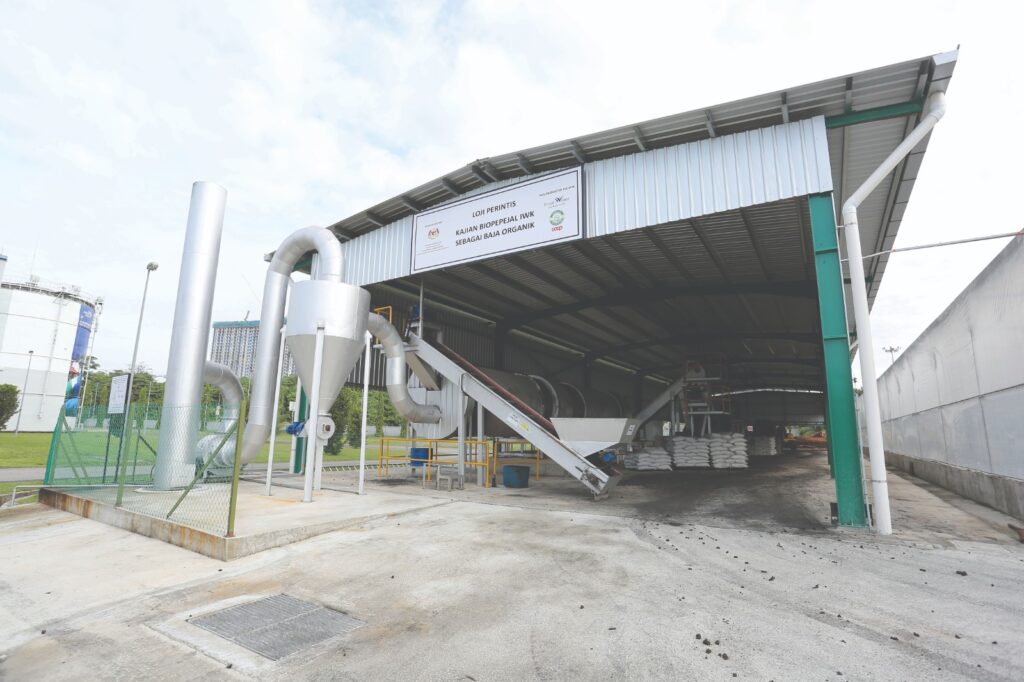
Utusan Malaysia has consistently highlighted the importance of food security and the challenges faced by our agricultural sector. This fertilizer crisis underscores the urgent need for Malaysia to bolster domestic production and explore innovative, small-scale solutions. We must reduce our vulnerability to global volatility and ensure that our farmers, especially the smallholders, have the resources they need to sustain their operations and, by extension, our nation's food supply. This is not just about economics; it's about safeguarding our future.
Apabila kos input meningkat, ia mencetuskan kesan domino, membawa kepada inflasi harga makanan global. Beban ini akhirnya akan ditanggung rakyat. Kebergantungan kita kepada rantaian bekalan luar menjadikan kita terdedah kepada kejutan ekonomi global.
DistantNews Editorial
Originally published by Utusan Malaysia in Malay. Translated, summarized, and contextualized by our editorial team with added local perspective. Read our editorial standards.
More Stories


From Our Blog

What Gets Lost (and Found) When News Is Translated

The Critical Role of Diaspora Media in Global News

What Travellers Should Know About Countries with Restricted Press

A Digital Nomad's Guide to Following Local News

How the Same Story Looks Different in Different Countries
