

Starmer Appoints Brown as Adviser Amidst Election Fallout
Translated from English, summarized and contextualized by DistantNews.
TLDR
- UK Prime Minister Keir Starmer appointed former PM Gordon Brown as a special envoy on global finance and Harriet Harman as an adviser on women and girls.
- These appointments follow significant election losses for the Labour Party in England, Wales, and Scotland.
- Starmer aims to reset his premiership by emphasizing core values and unity, despite mounting calls for his resignation.
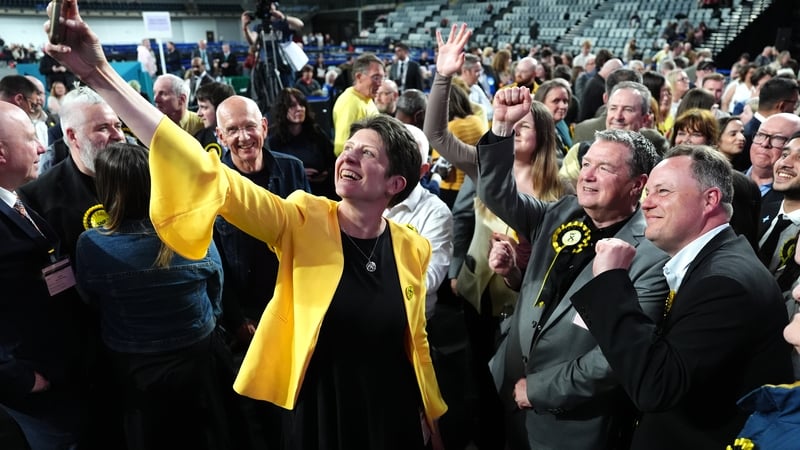
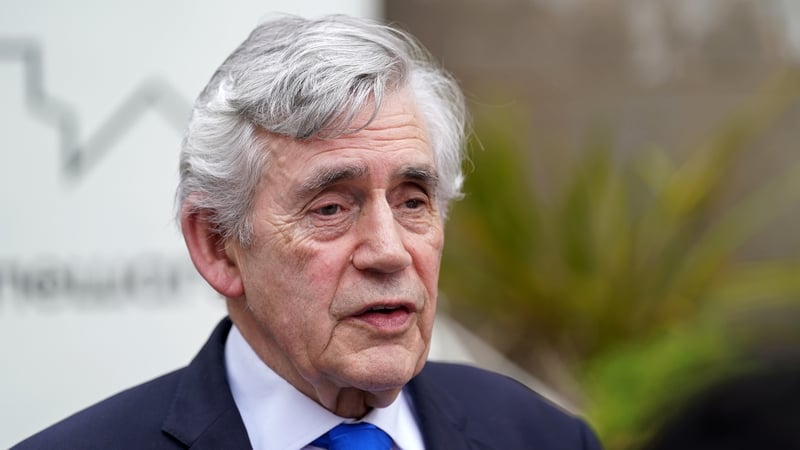
In the wake of a bruising electoral performance, Prime Minister Keir Starmer has moved to reshape his front bench and strategy, appointing former Prime Minister Gordon Brown as a special envoy on global finance and Harriet Harman as an adviser on women and girls. Downing Street framed these moves as part of a commitment to boosting the UK's security and resilience. However, these appointments arrive amidst intense pressure on Starmer, who faces growing calls to resign after Labour's substantial losses in local elections across England, Wales, and Scotland.
In this role, Gordon Brown will advise on how global finance cooperation can help to achieve this
The election results, which saw Labour shed over a thousand councillors in England and suffer a significant reduction in Wales, have intensified the internal party turmoil. Deputy leader Lucy Powell acknowledged the need to win back traditional voters, emphasizing the challenge of rebuilding the party's support base among working-class communities and urban liberals. Despite the electoral humiliation, Starmer has publicly vowed to remain as Labour leader, signaling his intention to use upcoming major speeches and the King's Speech to attempt a reset of his premiership.
While we must respond to the message that voters have sent us, that doesn’t mean tacking right or left. It means bringing together a broad political movement, being assertive about our values, bold in our vision and addressing people’s demands. Unifying rather than dividing. That is the right approach for our party and, more importantly, it is the right approach for our country.
From a UK perspective, particularly within the Labour party, the narrative is one of urgent recalibration. The rise of Reform UK on the right and gains by the Green Party on the left have disrupted traditional political landscapes. Starmer's response, articulated in The Guardian, emphasizes sticking to core values and fostering unity rather than division. Yet, the internal dissent is palpable, with many backbenchers publicly questioning his leadership. While international observers might focus on the broader political shifts, for Labour insiders, this is a critical juncture demanding a clear strategy to regain public trust and reconnect with a disillusioned electorate, lest opposition leader Nigel Farage ultimately claim victory in the next general election.
Thinking that setting out some kind of timetable would put to bed the issues of leadership, I think is actually the wrong conclusion here. Because all that would do is fire the starting gun of a, quite honestly, very distracting and ongoing debate about leadership.
DistantNews Editorial
Originally published by RTÉ News in English. Translated, summarized, and contextualized by our editorial team with added local perspective. Read our editorial standards.
More Stories


From Our Blog

What Gets Lost (and Found) When News Is Translated

The Critical Role of Diaspora Media in Global News

What Travellers Should Know About Countries with Restricted Press

A Digital Nomad's Guide to Following Local News

How the Same Story Looks Different in Different Countries
