


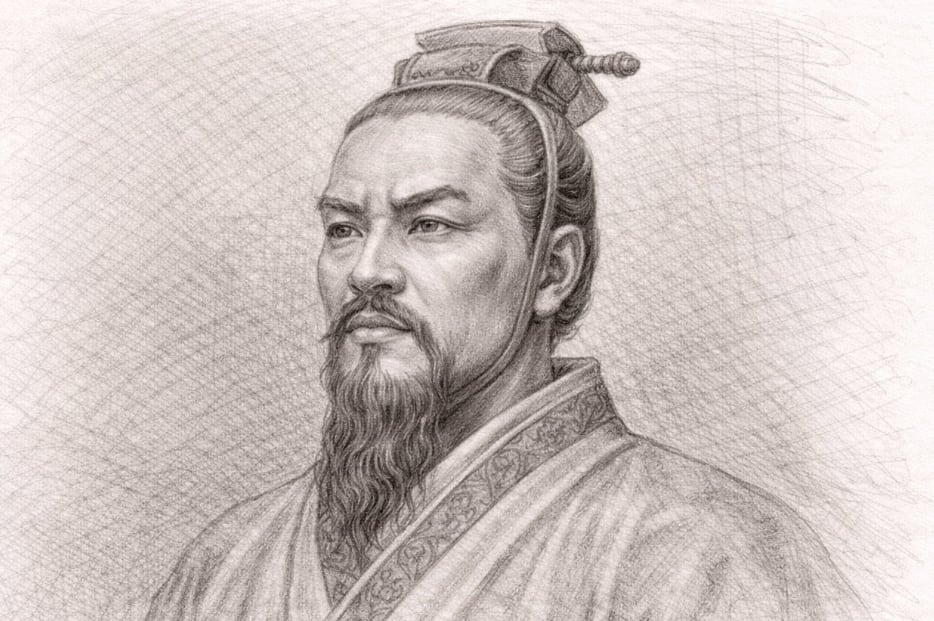
Sun Tzu: 'The Best Victory Is to Win Without Fighting'
Translated from Spanish, summarized and contextualized by DistantNews.
TLDR
- Sun Tzu's famous maxim, "The best victory is to win without fighting," emphasizes strategic mastery over direct confrontation.
- This principle advocates for achieving objectives through intelligence, diplomacy, and planning to minimize costs and desgaste.
- The ancient Chinese general's teachings continue to influence military, business, and political strategy today.
The timeless wisdom of Sun Tzu, encapsulated in the phrase "The best victory is to win without fighting," continues to resonate profoundly, offering a strategic blueprint that transcends millennia. This is not a call for passivity, but rather the pinnacle of strategic acumen, advocating for the subjugation of an adversary's will through superior intellect, deft diplomacy, and meticulous planning, thereby obviating the brutal costs of direct conflict.
The best victory is to win without fighting.
This pragmatic philosophy, focused on achieving goals with minimal expenditure, has cemented "The Art of War" as essential reading in military academies, business schools, and high-level political circles worldwide. Its enduring relevance is evident in the strategies employed by historical figures and modern leaders alike, who draw upon its insights for survival and effective management.
The supreme excellence consists in breaking the enemy's resistance by means of intelligence, diplomacy, and planning, to avoid physical exhaustion and material costs that a direct confrontation entails.
The enduring power of Sun Tzu's teachings lies in their adaptability. Whether applied to geopolitical rivalries, corporate competition, or even personal disputes, the core tenets—anticipating an opponent's moves, manipulating perceptions, and choosing battles wisely—remain remarkably potent. The text serves not merely as a historical artifact but as a living guide to navigating complex challenges with foresight and strategic brilliance, underscoring the enduring human quest for effective leadership and conflict resolution.
The intelligent combatant imposes his will on his enemy, but does not allow his enemy's will to be imposed on him.
DistantNews Editorial
Originally published by La Nación in Spanish. Translated, summarized, and contextualized by our editorial team with added local perspective. Read our editorial standards.
More Stories



From Our Blog

What Gets Lost (and Found) When News Is Translated

The Critical Role of Diaspora Media in Global News

What Travellers Should Know About Countries with Restricted Press

A Digital Nomad's Guide to Following Local News

How the Same Story Looks Different in Different Countries
