

Taiwan Warned of Widening 'Resilience Gap' in Civil Defences
Translated from English, summarized and contextualized by DistantNews.
TLDR
- Experts warn Taiwan faces a widening 'resilience gap' in civil defence and energy strategy, describing current preparedness as 'too romantic'.
- A recent tabletop exercise simulated a 2030 scenario where shifting global alliances and regional conflicts left Taiwan's systems vulnerable.
- Concerns were raised about Taiwan's social and critical infrastructure's vulnerability to panic if peace is disrupted, despite military hardware strengthening.
A recent tabletop exercise, the 2026 Political, Economic, Military and Societal Tabletop Exercise held at National Chengchi University, has sounded a stark warning for Taiwan: its civil defence and energy strategies are lagging dangerously behind potential real-world crises. Describing current preparedness as "too romantic," experts highlighted a growing "resilience gap" that could leave the island critically exposed. This simulation, which envisioned a 2030 scenario shaped by shifting global alliances and escalating regional conflicts, painted a grim picture of Taiwan's vulnerability, particularly concerning its energy and social systems.
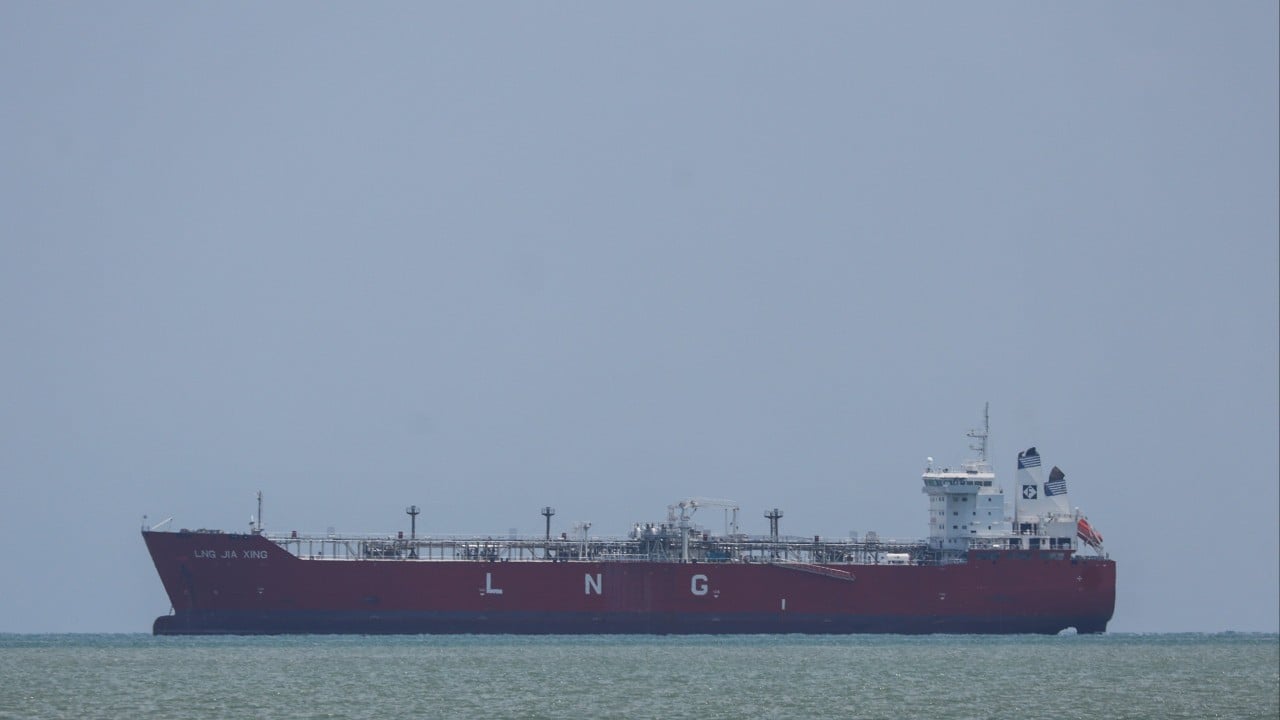
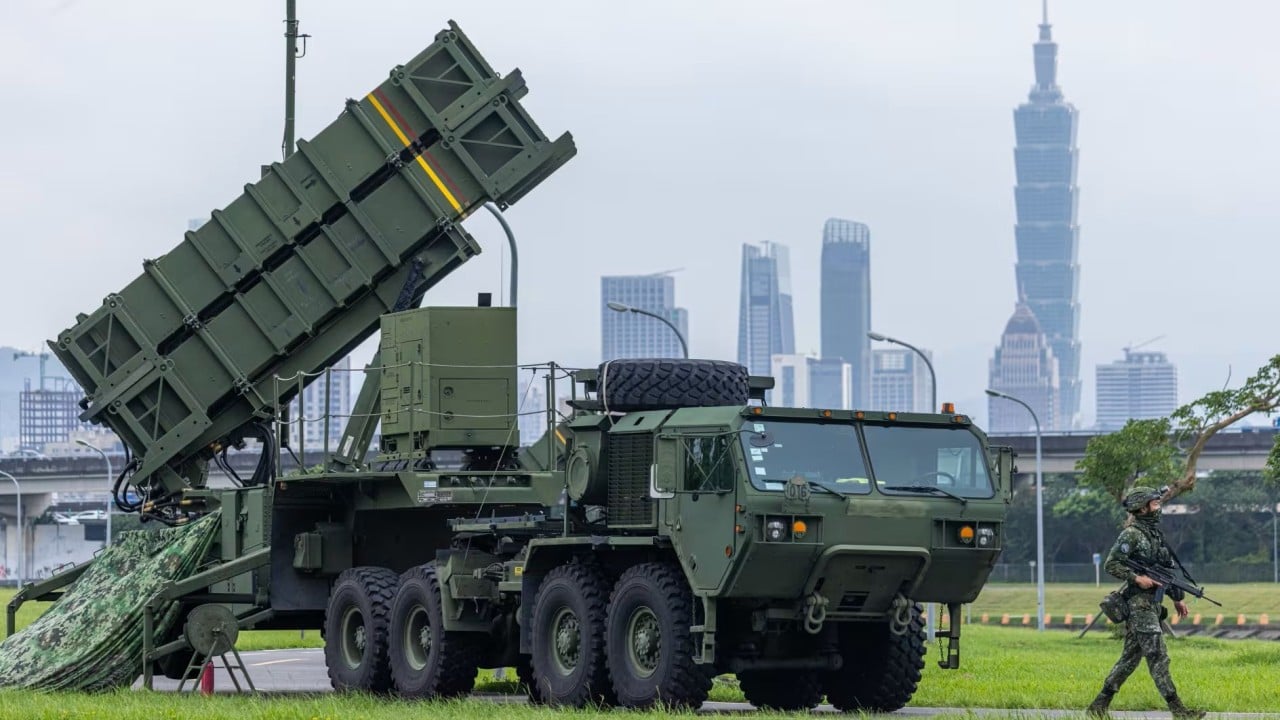
Taiwan must urgently overhaul its civil defence and rethink its energy strategy to withstand a potential blockade, experts warned at a tabletop exercise, describing existing preparedness as “too romantic” for a real-world crisis.
As articulated by lead convenor Alexander Huang Chieh-cheng, a prominent security scholar, Taiwan has dedicated decades to bolstering its military hardware. However, this focus has seemingly come at the expense of its social fabric and critical infrastructure. The exercise underscored a critical weakness: the potential for widespread panic should peace be disrupted. Huang's observation that Taiwan could "suddenly change from a romantic society to a panicked society because we are unprepared" is a powerful indictment of the current state of readiness. The annual Wan An air raid drills, often cited as examples of civil defence preparedness, were criticized as being too predictable and fragmented, failing to adequately simulate the chaos of a genuine crisis.
Taiwan faced a widening “resilience gap”.
From our perspective, this exercise serves as a crucial wake-up call. While international attention often fixates on military hardware and geopolitical posturing, the fundamental question of societal resilience is paramount. The exercise's findings suggest that Taiwan's approach to civil defence has been overly optimistic, failing to account for the psychological and logistical challenges that would accompany a blockade or conflict. The emphasis must shift from merely possessing advanced weaponry to building a robust, adaptable, and psychologically prepared populace. This requires a comprehensive overhaul of civil defence strategies, moving beyond predictable drills to more realistic simulations that address the interconnectedness of energy security, social stability, and public response. The urgency highlighted by the experts cannot be overstated; Taiwan must urgently bridge this resilience gap before a crisis renders its current preparations tragically inadequate.
While the island had spent decades strengthening its military hardware, its social and critical infrastructure remained vulnerable to panic if peace was disrupted, Huang noted.
DistantNews Editorial
Originally published by South China Morning Post in English. Translated, summarized, and contextualized by our editorial team with added local perspective. Read our editorial standards.
More Stories
From Our Blog

Countries Without a Free Press: What You Need to Know

What Press Freedom Means for the News You Read

What Gets Lost (and Found) When News Is Translated

The Critical Role of Diaspora Media in Global News

What Travellers Should Know About Countries with Restricted Press
