

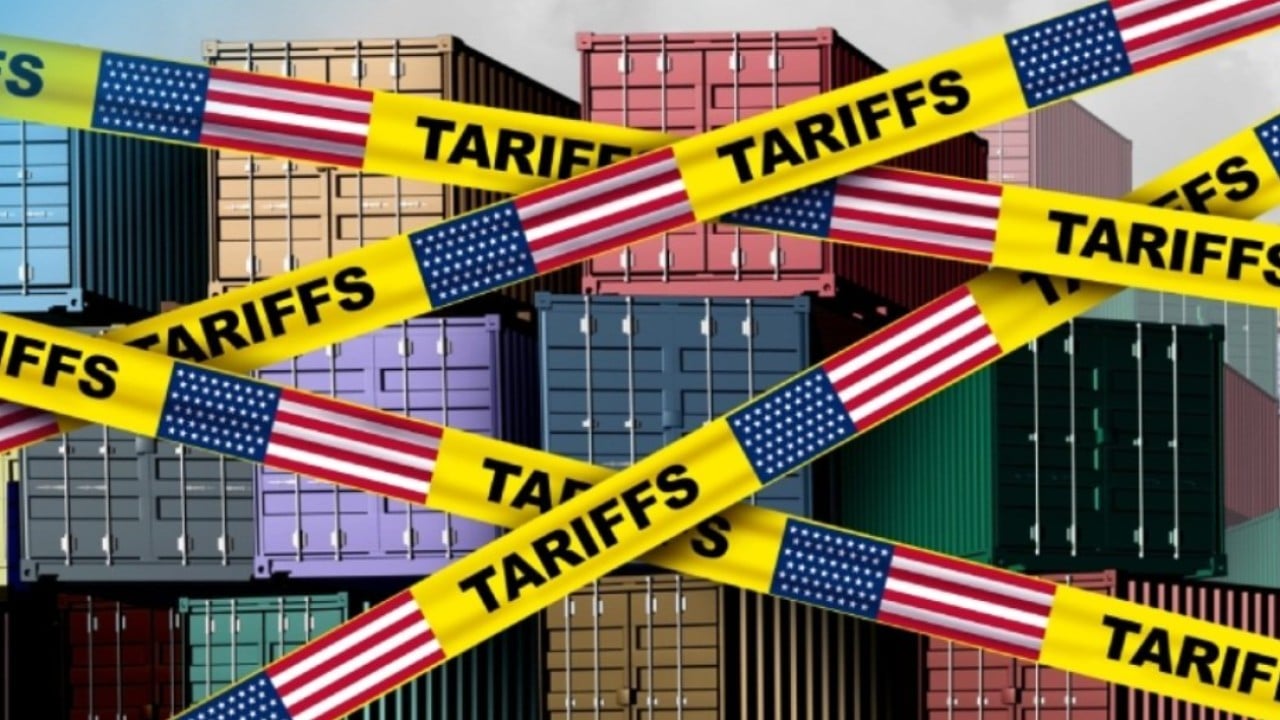
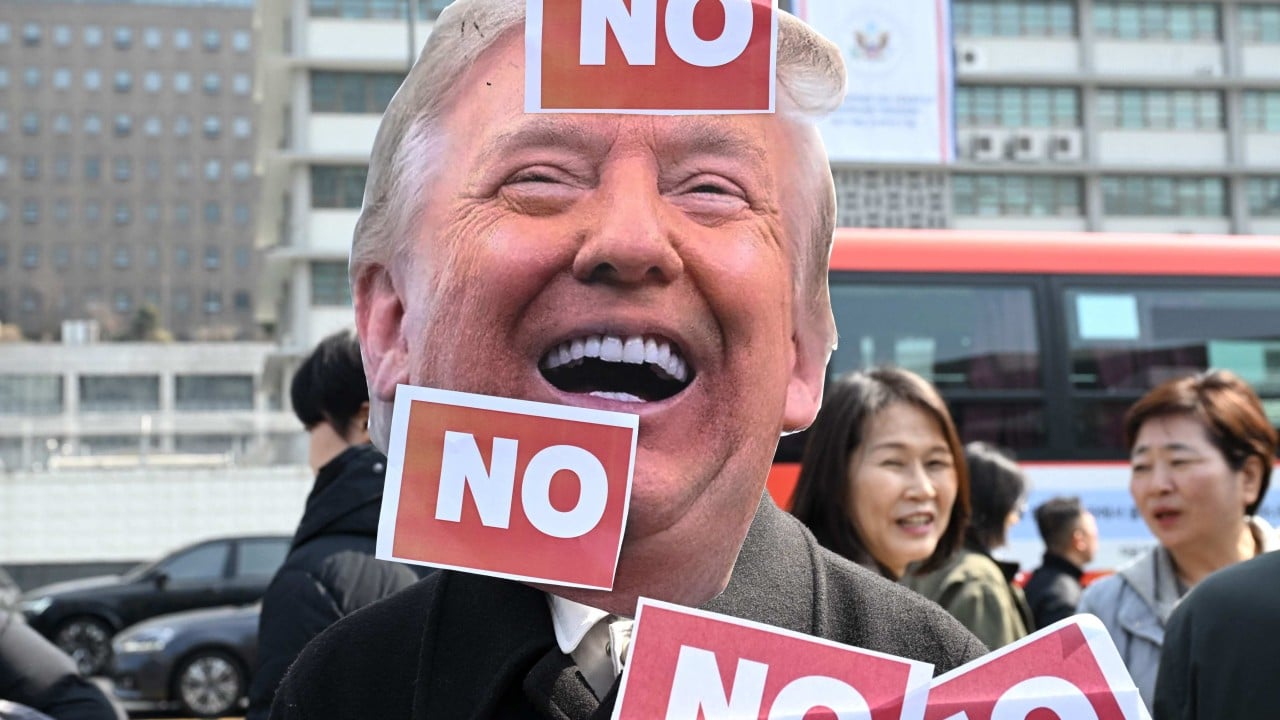
Thanks to Trump, the gloves are off. There may be no new global order
Summarized and contextualized by DistantNews.
TLDR
- The article argues that the post-World War II global order is collapsing, accelerated by former US President Donald Trump's actions.
- It explores potential alternatives to the unipolar world, including "midi-lateralism" (coalitions of middle powers) and "minilateralism" (cooperation among smaller nations).
- The piece highlights the dominance of the US and China in global GDP and the limitations of the UN Security Council structure.
The international system we have known for decades is in a state of profound flux, and the departure of the United States from its traditional role as the guarantor of a rules-based order has left a significant vacuum. As Andrew Sheng, a former central banker and distinguished fellow at the Asia Global Institute, articulates, the "old order is dead," and the question now is what will emerge in its place.
no truly global order has ever existed
Sheng's analysis, published in the South China Morning Post, points to the erratic actions of former US President Donald Trump as a catalyst for this unraveling. Trump's "America First" approach and his skepticism towards multilateral institutions have fundamentally challenged the foundations laid after World War II. This has created an environment where traditional alliances are strained, and the predictability of international relations is diminished. The article suggests that the unipolar world, dominated by a single superpower, is no longer viable, and America's retreat from global leadership has opened the door for new configurations of power.
the gloves are off.
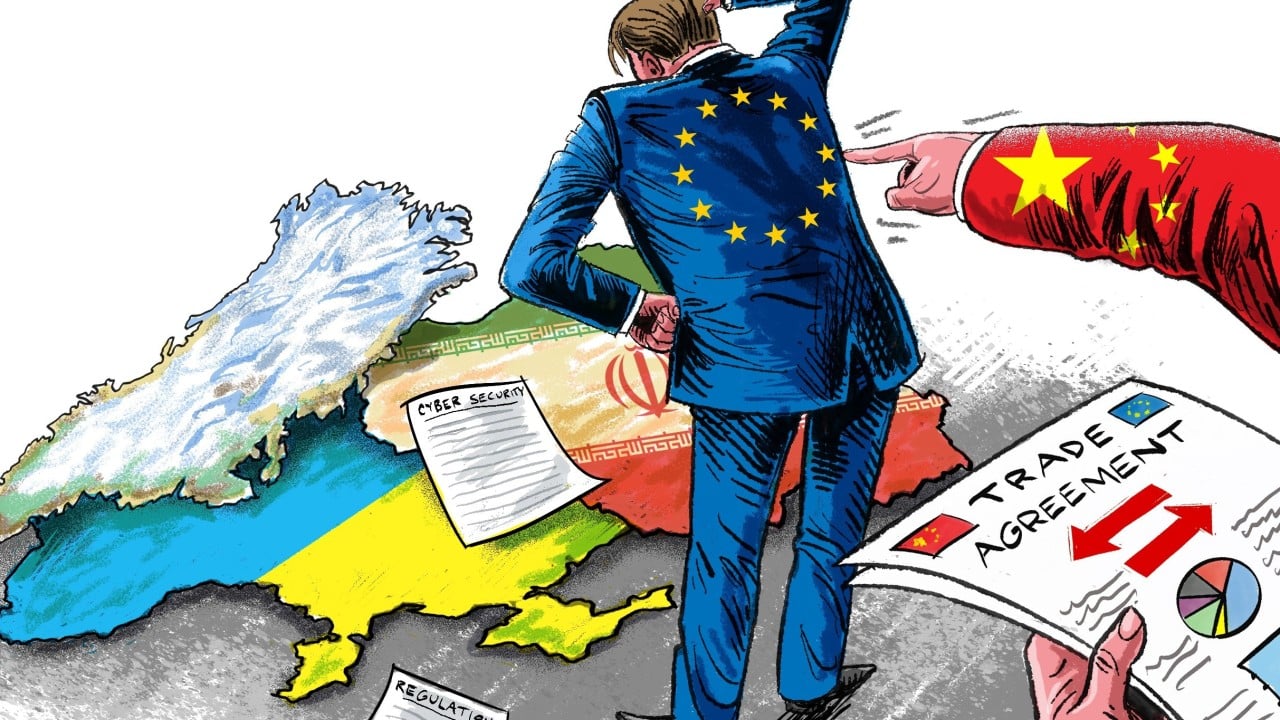
From our perspective in Asia, particularly in Hong Kong, this shift is keenly felt. We are witnessing the rise of alternative models of global engagement. Sheng introduces concepts like "midi-lateralism," where middle powers such as Canada, Australia, and the European Union could form coalitions to carve out a "third path" of autonomy, pushing back against the might-makes-right approach of superpowers. Equally important is "minilateralism," a more flexible approach where smaller countries collaborate discreetly to enhance their self-reliance and mitigate disruptions from great power rivalries. The article rightly notes the economic realities, with China and the US dominating global GDP, but also emphasizes the collective economic power of the next tier of nations, suggesting a potential for a more multipolar or polycentric world order. This is a critical juncture, and the choices made now will shape the geopolitical landscape for generations to come.
If the unipolar order is not viable, and America is abandoning the multilateral order and the rules of the game it created after World War II, what are the alternatives?
DistantNews Editorial
Originally published by South China Morning Post. Summarized and contextualized by our editorial team with added local perspective. Read our editorial standards.
More Stories


From Our Blog

Countries Without a Free Press: What You Need to Know

What Press Freedom Means for the News You Read

What Gets Lost (and Found) When News Is Translated

The Critical Role of Diaspora Media in Global News

What Travellers Should Know About Countries with Restricted Press
