

Trump Broadens Sanctions on Cuba, Targeting Government Support and Foreign Firms
Translated from English, summarized and contextualized by DistantNews.
TLDR
- President Trump signed an executive order expanding US sanctions against the Cuban government.
- The new sanctions target individuals and entities supporting Cuba's security apparatus, complicit in corruption, or violating human rights.
- The order also allows for secondary sanctions on non-American companies dealing with targeted Cuban sectors.
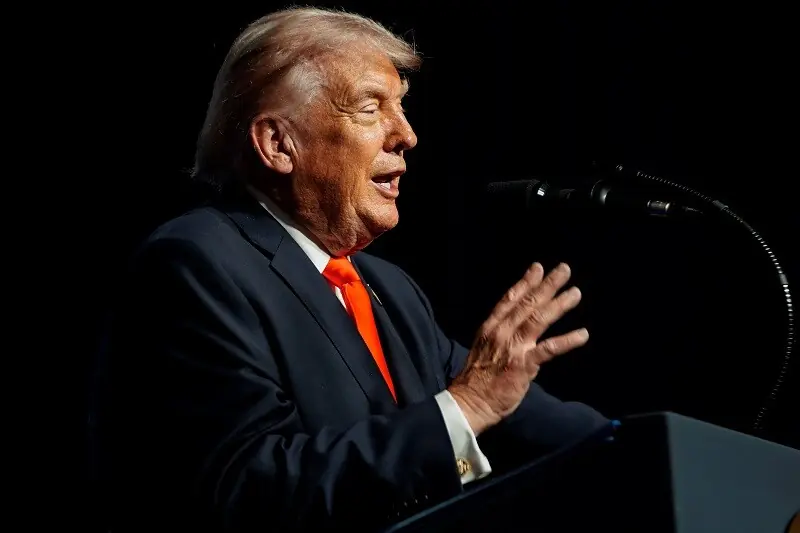
The Trump administration has intensified its pressure campaign against Cuba, signing an executive order that broadens existing sanctions. This move, announced by White House officials, aims to further isolate the Cuban government by targeting individuals, entities, and affiliates that bolster its security apparatus, engage in corruption, or violate human rights. The sanctions are designed to choke off financial lifelines and impose collective punishment, reflecting a long-standing US policy to force regime change.
The blockade and its reinforcement cause so much harm because of the intimidating and arrogant behavior of the world’s greatest military power.
This escalation comes shortly after the US ousted Venezuela's leader, signaling a broader strategy to exert influence across Latin America. The executive order explicitly authorizes secondary sanctions, a move that could significantly impact non-American companies operating in key Cuban economic sectors like energy, defense, mining, and finance. This represents a departure from previous policies, potentially ensnaring international businesses that had previously segregated their Cuba-related operations from the US market.
The sanctions measures... aim to impose “collective punishment on the Cuban people” and that Cubans would not be intimidated.
Cuban President Miguel Diaz-Canel and Foreign Minister Bruno Rodriguez have strongly condemned the new measures, denouncing them as "coercive," "brutal," and "genocidal." They argue that the sanctions reinforce the US blockade, causing immense harm and intimidation. Rodriguez specifically stated that the sanctions aim to impose "collective punishment on the Cuban people," asserting that Cubans will not be intimidated. The timing of the announcement, coinciding with Cuba's traditional May Day celebrations, underscores the administration's intent to disrupt and demoralize the island nation.
Oil and gas, mining companies, and banks that have carefully segregated their Cuba operations from the United States are no longer protected.
From Havana's perspective, these sanctions are not merely economic pressure but an act of aggression aimed at crippling the Cuban economy and undermining its sovereignty. The Cuban leadership views these actions as part of a larger pattern of US hostility, particularly given the recent intervention in Venezuela. They maintain that the US, as the "world's greatest military power," employs "intimidating and arrogant behavior" to enforce its will, disregarding international norms and the well-being of the Cuban people. The Cuban government remains defiant, vowing not to be intimidated and to continue resisting US pressure.
Cuba provides a permissive environment for hostile foreign intelligence, military, and terrorist operations less than 100 miles from the American homeland.
DistantNews Editorial
Originally published by Dawn in English. Translated, summarized, and contextualized by our editorial team with added local perspective. Read our editorial standards.
More Stories
From Our Blog

What Gets Lost (and Found) When News Is Translated

The Critical Role of Diaspora Media in Global News

What Travellers Should Know About Countries with Restricted Press

A Digital Nomad's Guide to Following Local News

How the Same Story Looks Different in Different Countries
