

Trump: Merz should spend more time ending the war in Ukraine
Translated from Greek, summarized and contextualized by DistantNews.
TLDR
- Former US President Donald Trump criticized German Chancellor Friedrich Merz, urging him to focus on ending the Ukraine war.
- Trump advised Merz to prioritize domestic issues like immigration and energy in Germany.
- The criticism comes amid ongoing international discussions on the Iranian nuclear threat and European leaders' stances on Moscow.
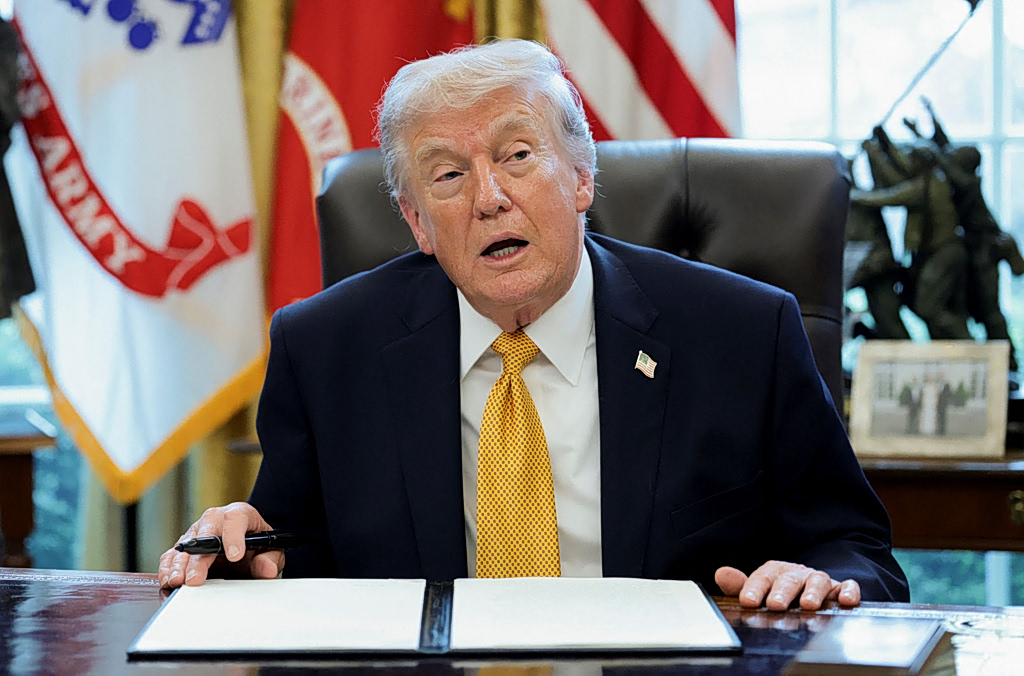
Former US President Donald Trump has once again taken aim at German Chancellor Friedrich Merz, this time via his Truth Social platform. Trump's message is clear: Merz should dedicate more energy to resolving the conflict in Ukraine, a situation where Trump deems him "completely ineffective." Furthermore, Trump suggests Merz should concentrate on fixing Germany's internal problems, particularly concerning immigration and energy, rather than interfering in international efforts to counter the Iranian nuclear threat. This latest broadside from Trump highlights his persistent criticism of European leaders' approaches to Moscow and broader security crises. From a German perspective, as reported by Ta Nea, these comments from a prominent global figure, even a former US president, are noteworthy. While German media might focus on the diplomatic nuances and Merz's measured responses, the directness of Trump's critique, especially his characterization of Germany as "broken," resonates differently. It underscores a transatlantic tension where American political discourse, particularly from figures like Trump, often bypasses traditional diplomatic channels to deliver blunt assessments that can influence domestic perceptions and international relations.
This incident is particularly interesting from a Greek perspective, as reported by Ta Nea, because it touches upon broader European security concerns and the role of leadership in navigating complex international challenges. The focus on the Ukraine war and the Iranian nuclear issue are central to European stability. Trump's intervention, while perhaps unwelcome, forces a re-examination of these critical issues and the effectiveness of current leadership. The way such criticism is perceived and handled within Germany, and how it might be amplified or downplayed in international media, offers a valuable case study in contemporary geopolitics and the power of direct, often unfiltered, communication in shaping global narratives.
The Chancellor of Germany should spend more time ending the war with Russia/Ukraine (where he is completely ineffective!), and fixing his broken country, especially on Immigration and Energy, and less time interfering with those who are getting rid of the Nuclear Threat of Iran, thereby making the World, including Germany, a safer place!
DistantNews Editorial
Originally published by Ta Nea in Greek. Translated, summarized, and contextualized by our editorial team with added local perspective. Read our editorial standards.
More Stories


From Our Blog

What Gets Lost (and Found) When News Is Translated

The Critical Role of Diaspora Media in Global News

What Travellers Should Know About Countries with Restricted Press

A Digital Nomad's Guide to Following Local News

How the Same Story Looks Different in Different Countries
