



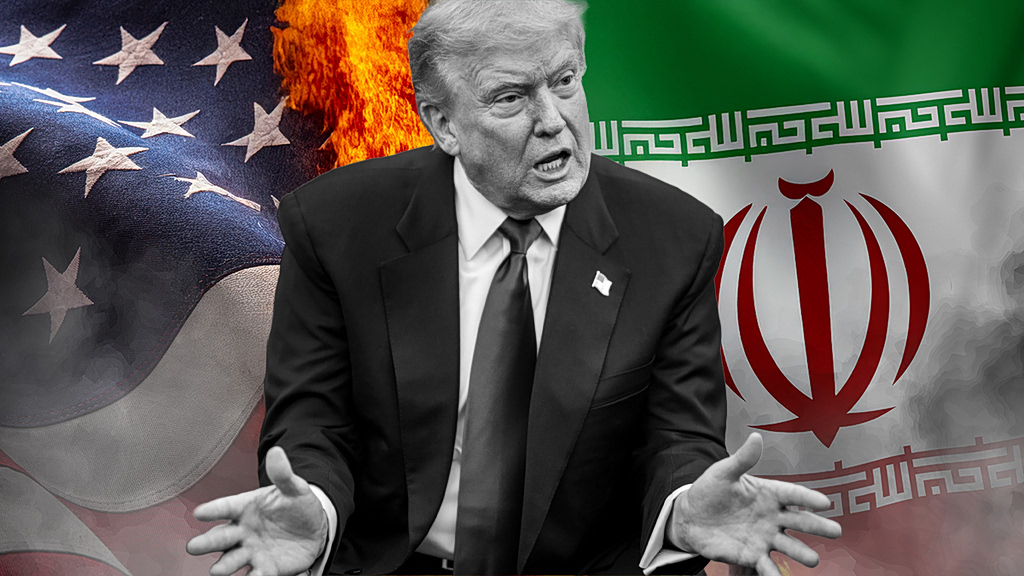
Trump Rejects Iran's 14-Point Peace Plan, Nuclear Program Exclusion Cited
Translated from Greek, summarized and contextualized by DistantNews.
TLDR
- Iran's 14-point peace proposal has been rejected by U.S. President Trump, dimming hopes for an immediate diplomatic resolution to the ongoing conflict.
- Trump stated the proposal was unacceptable and that Iran had not yet paid a high enough price for its actions, indicating a desire for greater concessions.
- The rejection stems from Iran's refusal to include its nuclear program in negotiations, which the U.S. views as an attempt to stall without making significant compromises.
From Washington's perspective, Iran's recent 14-point proposal represents a predictable attempt to circumvent accountability and delay meaningful engagement on critical issues. President Trump's firm rejection, echoing sentiments across the U.S. political spectrum, underscores a clear demand for Iran to address its destabilizing actions, particularly its nuclear ambitions, rather than offering a superficial peace plan.
I cannot imagine that this proposal would be accepted.
The administration's stance, as articulated by the President, is that Iran has not yet faced sufficient consequences for its decades-long pattern of aggression and human rights abuses. This is not merely about the current conflict; it's about holding Tehran responsible for a broader history of actions that have undermined regional stability and international norms. The U.S. is signaling that any resolution must involve substantial concessions from Iran, not just a cessation of hostilities.
Furthermore, Iran's deliberate exclusion of its nuclear program from the peace talks is seen as a strategic maneuver to buy time and avoid international scrutiny. This tactic, while perhaps understandable from Tehran's perspective of protecting its strategic interests, is viewed in Washington as a non-starter. The U.S. insists that the nuclear issue is intrinsically linked to Iran's overall behavior and cannot be compartmentalized.
Iran has not yet paid a high enough price for what it has committed against humanity and the world over the last 47 years.
While international media might focus on the diplomatic deadlock, from a U.S. viewpoint, this is a crucial moment of asserting red lines. The emphasis is on demonstrating resolve and ensuring that any future negotiations are based on a foundation of Iranian accountability, not on appeasement. The narrative here is one of strength and unwavering commitment to U.S. interests and global security, contrasting sharply with what is perceived as Iranian intransigence.
This proposal concerned exclusively the end of the war and the lifting of the naval blockade.
DistantNews Editorial
Originally published by Ta Nea in Greek. Translated, summarized, and contextualized by our editorial team with added local perspective. Read our editorial standards.
More Stories


From Our Blog

What Gets Lost (and Found) When News Is Translated

The Critical Role of Diaspora Media in Global News

What Travellers Should Know About Countries with Restricted Press

A Digital Nomad's Guide to Following Local News

How the Same Story Looks Different in Different Countries
