

Middle East: Fragile truce, threats, and scenarios of conflict – Iran's 14-point plan
Translated from Greek, summarized and contextualized by DistantNews.
TLDR
- Iran has presented a 14-point proposal to resolve the Middle East conflict, aiming for a ceasefire within 30 days.
- The proposal, conveyed via Pakistan, includes demands for US troop withdrawal, lifting sanctions, and unblocking Iranian ports.
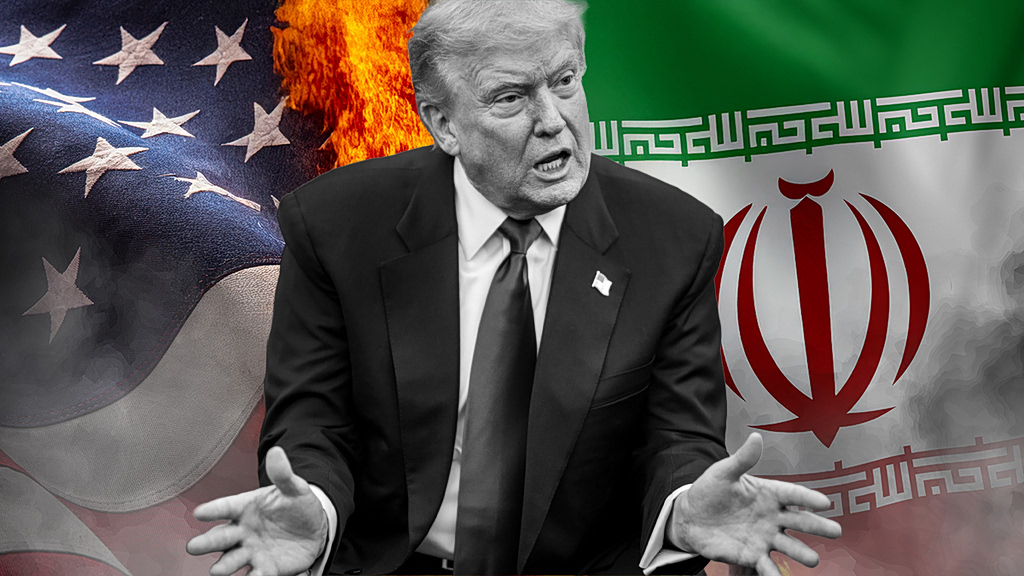
- US President Donald Trump stated he would review the plan but expressed skepticism about its acceptability, citing Iran's past actions.
In a significant diplomatic move, Iran has submitted a comprehensive 14-point proposal aimed at de-escalating tensions and achieving a ceasefire in the Middle East within 30 days. This initiative, communicated through Pakistan, underscores Tehran's commitment to finding a peaceful resolution amidst heightened regional instability.
I will soon study a plan that Iran just sent us, but I can't imagine it would be acceptable, because they haven't paid an adequate price for what they've done to humanity, and to the world, over the last 47 years.
The Iranian proposal outlines key demands, including the withdrawal of US forces from areas near its borders, the lifting of economic sanctions, and the unblocking of its ports. It also addresses the critical issue of the Strait of Hormuz and calls for an end to hostilities across all fronts, including Lebanon. Notably, the proposal, as reported by Iranian news agencies, does not explicitly mention Iran's nuclear program, a central point of contention for the US and Israel.
If the Iranians behave inappropriately, if they do something bad (...) we will see. It's a possibility, it could happen.
While the US administration, through President Trump, has acknowledged receipt of the plan and stated it will be reviewed, skepticism remains. Trump's public comments suggest a lack of confidence in Iran's willingness to meet the demands of the international community, referencing past actions and their impact. This cautious reception from Washington highlights the deep-seated mistrust that continues to complicate diplomatic efforts.
The resumption of conflict between Iran and the United States is possible, and events have shown that the United States does not keep any promises or agreements.
From an Iranian perspective, this proposal represents a constructive attempt to chart a path away from conflict. It seeks to address legitimate grievances, such as sanctions and blockades, while offering a framework for regional stability. The emphasis on a swift resolution and the inclusion of various regional issues demonstrate a proactive approach to diplomacy, even as the threat of renewed conflict looms.
Tehran is ready for any eventuality, whether a resumption of war or a diplomatic solution.
DistantNews Editorial
Originally published by Ta Nea in Greek. Translated, summarized, and contextualized by our editorial team with added local perspective. Read our editorial standards.
More Stories
From Our Blog

What Gets Lost (and Found) When News Is Translated

The Critical Role of Diaspora Media in Global News

What Travellers Should Know About Countries with Restricted Press

A Digital Nomad's Guide to Following Local News

How the Same Story Looks Different in Different Countries
