


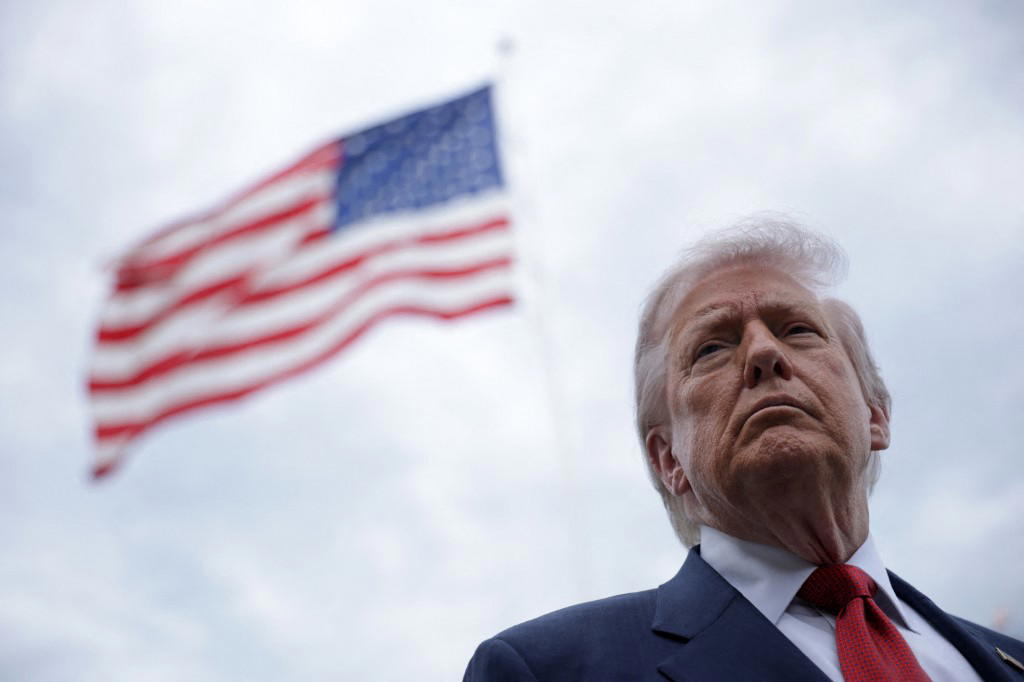
Trump rejects 'unacceptable' Iran terms for ending Middle East war
Translated from English, summarized and contextualized by DistantNews.
TLDR
- President Donald Trump rejected Iran's response to a US proposal aimed at ending the Middle East war.
- Trump described Iran's terms as 'totally unacceptable.'
- The rejection signals a continued impasse in diplomatic efforts to resolve the conflict.
President Donald Trump has declared Iran's latest response to a US proposal for ending the Middle East war as 'totally unacceptable,' signaling a significant setback in diplomatic efforts. The announcement, made on Sunday, indicates that the two nations remain far apart on the terms required to de-escalate the ongoing conflict, dashing hopes for a swift resolution.
Trump's firm rejection suggests that Iran's proposed terms do not meet the United States' demands, whatever they may be. This stance implies a continuation of the current policy, which has thus far failed to bring about a cessation of hostilities. The lack of agreement underscores the deep-seated nature of the conflict and the challenges inherent in bridging the gap between the two countries' objectives.
From Nigeria's perspective, as reported by Vanguard News, this development highlights the persistent instability in the Middle East and its potential global ramifications. While the specifics of the US proposal and Iran's response are not detailed in the provided text, the clear rejection by President Trump indicates a hardening of positions. This situation is closely monitored internationally, as prolonged conflict in the region can have far-reaching consequences, including impacts on global energy markets and international security. The emphasis on the 'unacceptability' of Iran's terms suggests that the US is unwilling to compromise on key aspects, potentially prolonging the war and the associated humanitarian crisis.
totally unacceptable
DistantNews Editorial
Originally published by Vanguard in English. Translated, summarized, and contextualized by our editorial team with added local perspective. Read our editorial standards.
More Stories


From Our Blog

How the Same Story Looks Different in Different Countries

What Gets Lost (and Found) When News Is Translated

The Critical Role of Diaspora Media in Global News

What Travellers Should Know About Countries with Restricted Press

A Digital Nomad's Guide to Following Local News
