


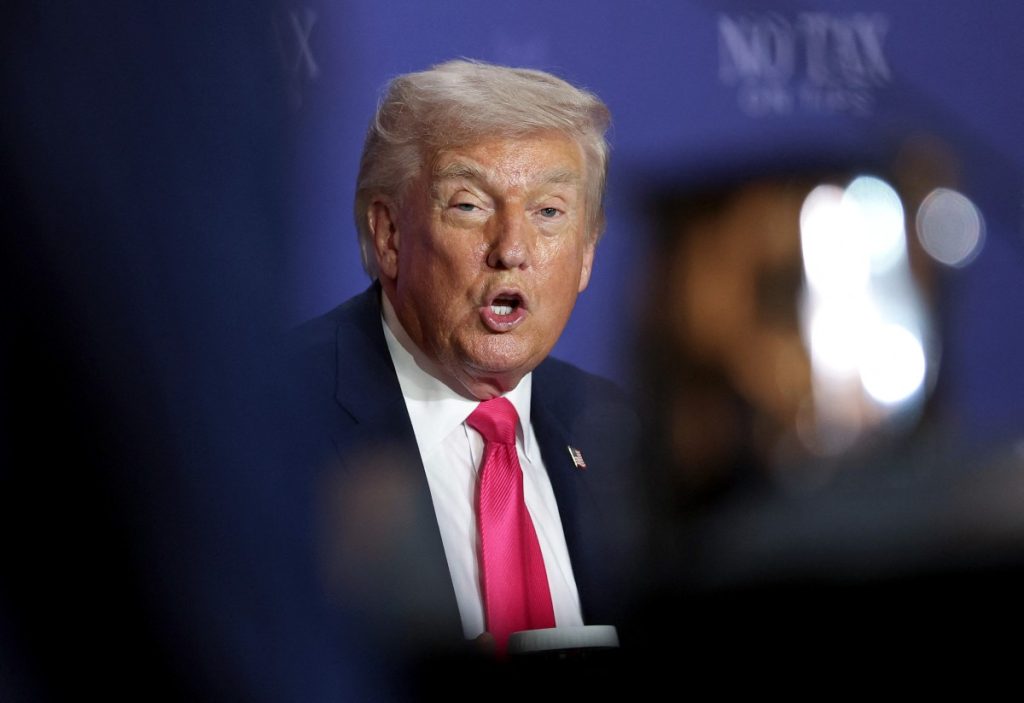
Trump Reportedly Unimpressed by Iran's New Peace Overture
Translated from English, summarized and contextualized by DistantNews.
TLDR
- U.S. President Donald Trump is reportedly unsatisfied with Iran's latest peace proposal.
- The proposal aimed to reopen the Strait of Hormuz and end the U.S. naval blockade of Iranian ports.
- Officials cited by U.S. media suggest Trump is unlikely to accept the proposal, which defers nuclear program discussions to later negotiations.
The recent reports emerging from Washington indicate a familiar pattern in the Trump administration's approach to international diplomacy, particularly concerning Iran. While Iran has put forth a new proposal aimed at de-escalating tensions and addressing critical maritime issues like the Strait of Hormuz, the U.S. President appears unwilling to engage constructively. This stance, as reported by U.S. media citing White House officials, suggests a preference for maintaining pressure rather than pursuing genuine negotiation.
Trump was not likely to accept Iran’s proposal, which implies leaving its nuclear program for later negotiations.
Secretary of State Marco Rubio's comments, as relayed in the reports, highlight the administration's rigid position. The proposal's suggestion to defer discussions on Iran's nuclear program, while a potential avenue for progress, is seen by Trump as a concession that could undermine his perceived victories. This underscores a transactional view of foreign policy, where diplomatic breakthroughs are measured by immediate political gains rather than long-term stability or mutual understanding.
any deal must bar Tehran from developing a nuclear weapon.
The administration's insistence on "U.S. terms and his timeline" for any peace deal, coupled with claims of "no time frame" for resolution, signals a lack of urgency for a diplomatic solution. This approach risks further entrenching the current standoff, potentially leading to increased regional instability. From a local perspective, such a rigid stance by a global superpower can be frustrating, as it limits avenues for dialogue and peaceful resolution, potentially prolonging economic hardship and security concerns.
any peace deal with Iran would be made on U.S. terms and his timeline.
While Western media might focus on the geopolitical chess match, the implications for regional stability and the potential for miscalculation are immense. The administration's apparent satisfaction with a policy of maximum pressure, even when faced with a seemingly conciliatory proposal, raises questions about its ultimate goals and the potential consequences for global peace. The refusal to seriously consider Iran's proposal, despite its potential to address key issues, suggests that the path to de-escalation remains fraught with political posturing rather than genuine diplomatic engagement.
no time frame” for ending the U.S.-Israeli war with Iran and “no time pressure” on either the extended ceasefire or stalled talks.
DistantNews Editorial
Originally published by Vanguard in English. Translated, summarized, and contextualized by our editorial team with added local perspective. Read our editorial standards.
More Stories


From Our Blog

How the Same Story Looks Different in Different Countries

What Gets Lost (and Found) When News Is Translated

The Critical Role of Diaspora Media in Global News

What Travellers Should Know About Countries with Restricted Press

A Digital Nomad's Guide to Following Local News
