

Trump's Naval Ambitions Clash With Congress and China's Shipbuilding Prowess
Translated from English, summarized and contextualized by DistantNews.
TLDR
- President Trump's proposed FY2027 budget requests $65.8 billion for 34 warships, including a new class named after himself, as part of a $1.5 trillion defense spending request.
- Analysts question whether the budget, a policy statement rather than a binding document, can pass a skeptical Congress focused on voter affordability.
- The proposal highlights long-standing US naval shortcomings and Trump's ambitions, while facing challenges from China's advanced shipbuilding industry.
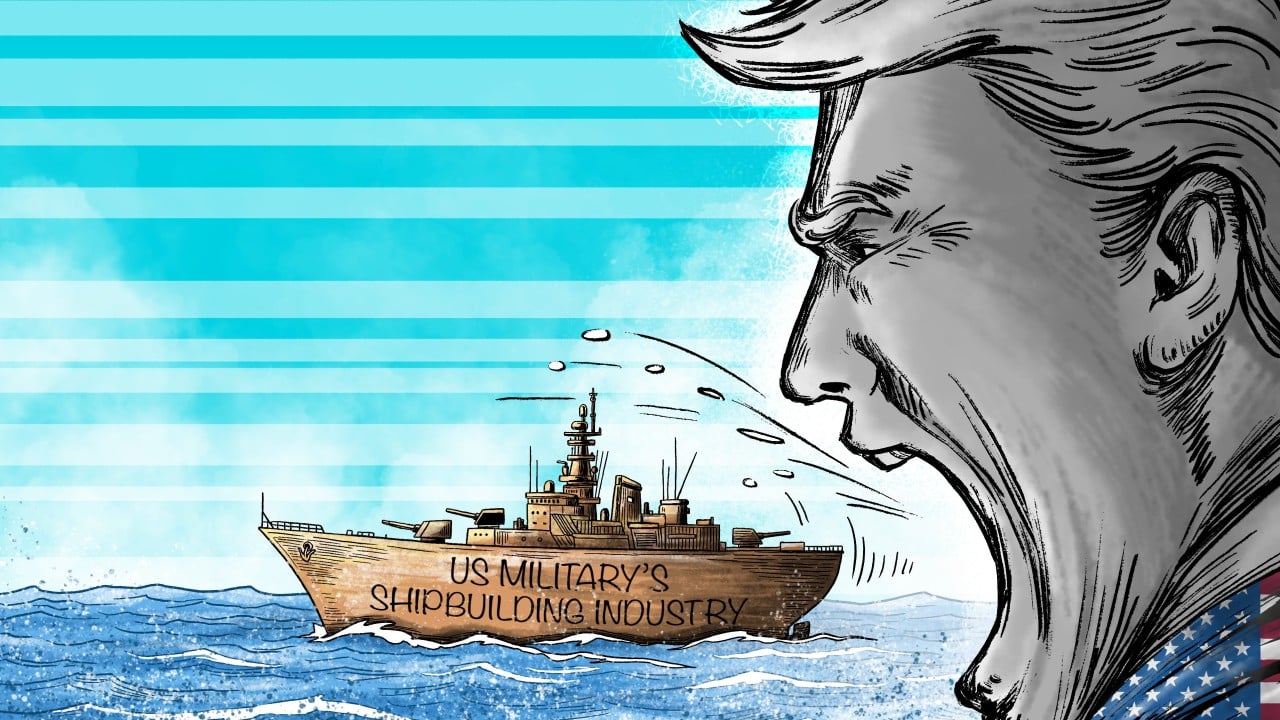
President Trump's return to the White House has been marked by a renewed focus on his long-held ambition to bolster American sea power. The proposed fiscal year 2027 budget, a staggering $1.5 trillion in defense spending, includes a significant $65.8 billion earmarked for 34 warships. This ambitious plan even proposes funding for a next-generation battleship to be named in his honor, reflecting his signature style.
Golden Fleet
However, the path forward for this 'Golden Fleet' vision is fraught with obstacles. While the presidential budget outlines priorities, it is Congress that holds the ultimate power of the purse. Lawmakers, particularly in a midterm election year, are likely to prioritize voter affordability over expansive defense outlays. This creates a significant hurdle for Trump's proposal, which represents a massive 44% increase in defense spending.
Furthermore, the article points to a critical underlying issue: the decline of the American shipbuilding industry. Even if Congress approves the funding, the capacity to rapidly build and deploy such a large fleet is questionable, especially when compared to China's rapidly advancing shipbuilding capabilities. This economic and industrial reality complicates the strategic ambitions outlined in the budget.
US$65.8 billion for 34 warships, including initial funding for a next-generation battleship he wants to name after himself, part of the largest US$1.5 trillion defence-spending request in history.
From our perspective, this budget proposal is a clear signal of President Trump's strategic priorities and his vision for American military strength. While the political and industrial challenges are substantial, the underlying acknowledgment of naval shortcomings and the ambition to address them are significant. The debate in Congress and the ongoing competition with China will be crucial in determining the fate of this ambitious naval expansion.
The annual presidential budget is more a policy statement outlining priorities than a legally binding document, with the final total up to Congress, which controls the purse strings.
DistantNews Editorial
Originally published by South China Morning Post in English. Translated, summarized, and contextualized by our editorial team with added local perspective. Read our editorial standards.
More Stories

From Our Blog

Countries Without a Free Press: What You Need to Know

What Press Freedom Means for the News You Read

What Gets Lost (and Found) When News Is Translated

The Critical Role of Diaspora Media in Global News

What Travellers Should Know About Countries with Restricted Press
