

Tuareg and Jihadist Offensive Forces Russian Mercenaries to Retreat in Mali
Translated from Polish, summarized and contextualized by DistantNews.
TLDR
- Russian mercenaries are retreating from Mali, abandoning equipment to jihadists and Tuareg rebels.
- The withdrawal follows the death of key figures like Defense Minister Sodi Camara, who brokered the deal with Russia.
- This retreat signifies a major security failure for Russia in Africa, impacting regional stability in West Africa and potentially Europe.
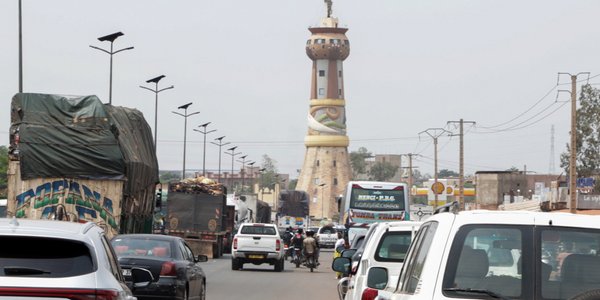
The situation in Mali represents a significant setback for Russia's security interests in Africa, as its mercenary forces are reportedly in full retreat. Internet publication La Revue Afrique calls it "the biggest security failure for Russia on the African continent." Russian mercenaries, initially brought in to support the junta against Islamist groups and Tuareg rebels, are now abandoning their positions and equipment, which are falling into the hands of the very groups they were meant to fight.
To największa porażka Rosji w dziedzinie bezpieczeństwa na afrykańskim kontynencie
This rapid offensive by Tuareg and jihadist groups has pushed Russian forces out of nearly the entire northern part of the country. They are struggling to hold onto positions along the Niger River, which is now the front line. The mercenaries' operations were notoriously brutal, even by Malian standards, and their presence was a costly endeavor, reportedly around $10 million per month.
wycofują się ze swoich pozycji, porzucając sprzęt, który później przejmują dżihadyści
The initial decision to bring in Russian mercenaries was spearheaded by Defense Minister Sodi Camara, who also played a key role in the political agreement with the Kremlin. His recent death, along with that of the military intelligence chief, in a suicide bombing attack on Camara's residence has destabilized the situation further. President Assimi Goita survived by relocating to a military base protected by the mercenaries.
Cena (rosyjskiej pomocy) była wysoka. Operacje najemników były bardzo brutalne, nawet jak na Mali, w którym wojna domowa trwa od półtorej dekady
Camara was seen as crucial for ensuring the Kremlin's access to Mali's vast natural resources, including uranium and rare earth metals. His demise, coupled with internal power struggles within the junta, has left the Russian security umbrella over the Sahel region crumbling. This development is closely watched not only for its impact on Mali but also for the broader geopolitical implications in West Africa and potentially Europe.
Rosyjski parasol bezpieczeństwa rozpostarty nad tym rejonem Sahelu rozlatuje się na naszych oczach
DistantNews Editorial
Originally published by Rzeczpospolita in Polish. Translated, summarized, and contextualized by our editorial team with added local perspective. Read our editorial standards.
More Stories

From Our Blog

What Gets Lost (and Found) When News Is Translated

The Critical Role of Diaspora Media in Global News

What Travellers Should Know About Countries with Restricted Press

A Digital Nomad's Guide to Following Local News

How the Same Story Looks Different in Different Countries
