

Ukraine May Need to Accept Territorial Losses for EU Access, Says German Chancellor
Translated from Romanian, summarized and contextualized by DistantNews.
TLDR
- German Chancellor Friedrich Merz suggested Ukraine might need to cede territory to Russia to gain EU membership.
- Merz stated that a peace treaty could lead to parts of Ukraine no longer being Ukrainian, requiring popular support via referendum.
- Ukrainian President Zelenskyy warned that Russia's ambitions extend beyond Ukraine, framing the conflict as crucial for continental security.
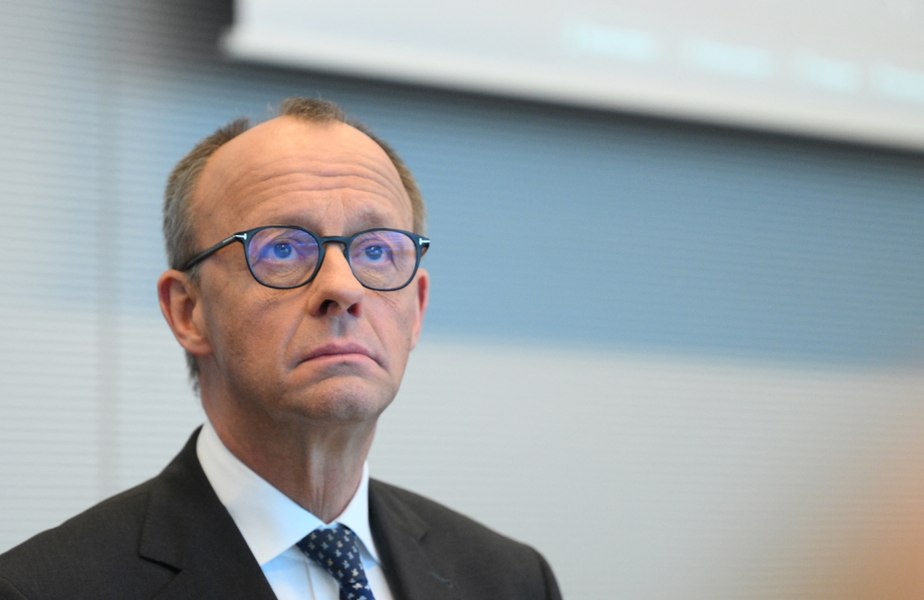
In a statement that has sent ripples through European political circles, German Chancellor Friedrich Merz has articulated a stark 'realpolitik' perspective on the ongoing conflict in Ukraine. Speaking to students in Marsberg, Merz posited that Ukraine might be compelled to accept territorial concessions to Russia as a prerequisite for its accession to the European Union.
Let's hope that, in the end, there will be a peace treaty with Russia. Then, it is possible that part of Ukraine's territory will no longer be Ukrainian.
Merz’s remarks suggest a potential future peace treaty that could involve redrawing Ukraine's borders, implying that some Ukrainian territories might cease to be Ukrainian. He emphasized that such a monumental decision would necessitate overwhelming support from the Ukrainian populace, likely through a referendum, with the promise of European integration serving as the primary persuasive argument for President Zelenskyy.
This viewpoint directly contrasts with Kyiv's unwavering stance against territorial concessions. President Zelenskyy, in a pointed video message, cautioned international partners against underestimating Russia's imperialistic designs, asserting that Moscow's aggression is not limited to Ukraine and poses a broader threat to European security. He stressed that Ukraine's fight is intrinsically linked to the continent's overall safety.
Russia wants our territory so that it can seize the territories of others. If it succeeds with one state, with one neighbor, then it will do the same with others.
While Merz acknowledged the need for a clear European perspective for Ukraine to counter Moscow's influence, he tempered expectations regarding the timeline for EU accession, deeming projections of membership by 2027 or 2028 as unrealistic. This cautious outlook on membership timelines, even amidst renewed momentum in accession talks following shifts in EU political dynamics, continues to place pressure on Kyiv, which insists on a concrete accession date and rejects any form of partial membership.
We have opened the way to Europe for you.
DistantNews Editorial
Originally published by Adevărul in Romanian. Translated, summarized, and contextualized by our editorial team with added local perspective. Read our editorial standards.
More Stories
From Our Blog

What Gets Lost (and Found) When News Is Translated

The Critical Role of Diaspora Media in Global News

What Travellers Should Know About Countries with Restricted Press

A Digital Nomad's Guide to Following Local News

How the Same Story Looks Different in Different Countries
