

US Vice President Questions Pentagon's Iran War Assessments
Translated from Romanian, summarized and contextualized by DistantNews.
TLDR
- US Vice President J.D. Vance reportedly expressed doubts about Pentagon assessments regarding the Iran war and arms stockpiles.
- Vance allegedly questioned these evaluations in private meetings, though not directly accusing military officials of misleading leadership.
- Pentagon officials maintain they provide complete and accurate information, while internal assessments suggest Iran retains significant military capabilities.
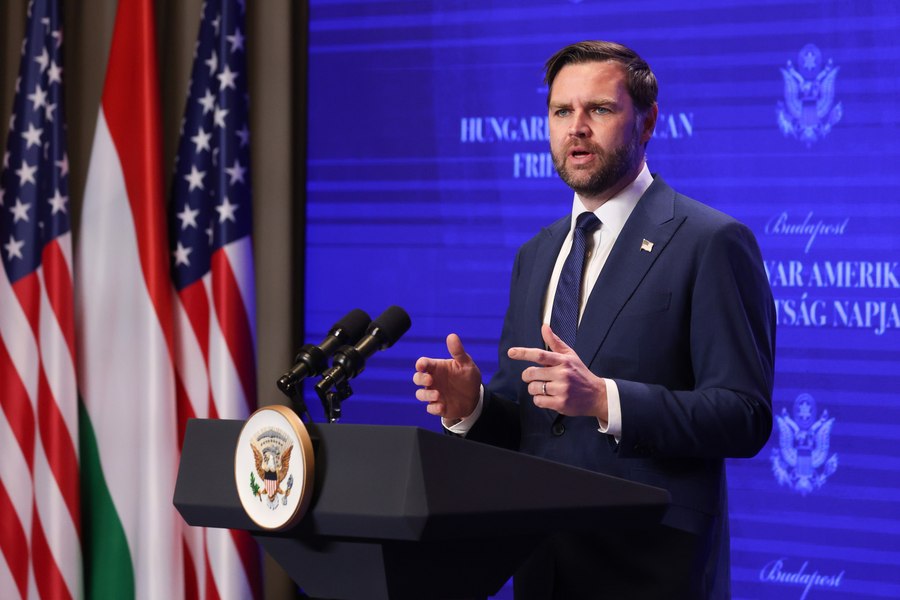
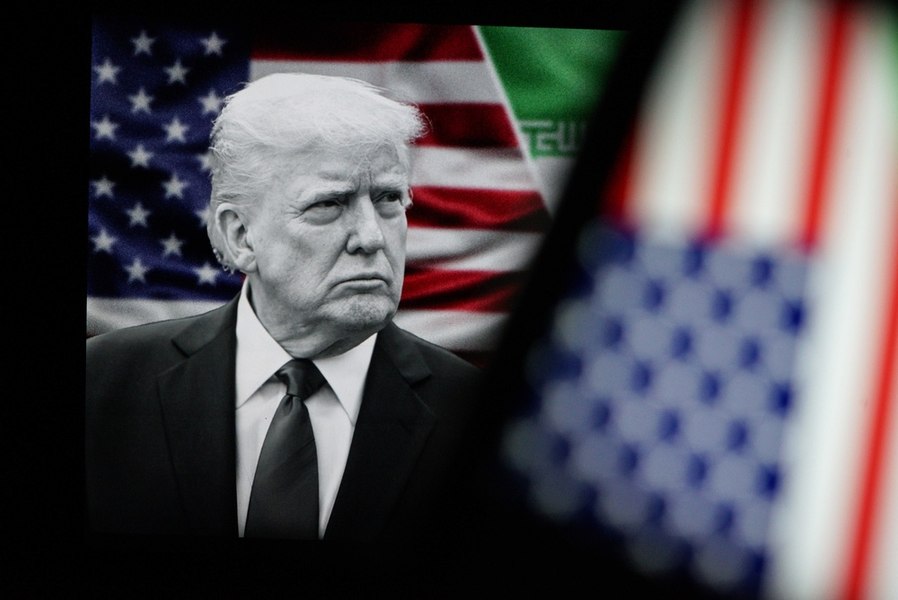
Reports emerging from Washington, as detailed by The Atlantic and cited by Adevărul, suggest a significant internal debate within the US administration regarding the conduct and progress of the war in Iran. Vice President J.D. Vance's reported skepticism towards Pentagon assessments on arms stockpiles and battlefield outcomes raises critical questions about the information flow to political leadership. While Vance has not directly accused military officials of deception, his private reservations, as relayed by anonymous advisors, point to a potential disconnect between official optimistic narratives and the reality on the ground. This internal friction is particularly noteworthy given President Trump's public affirmations of military success and seemingly 'unlimited' arms reserves. The divergence highlights a complex national security decision-making process, where differing interpretations of intelligence can have profound implications for foreign policy and military strategy. From a Romanian perspective, understanding these internal US dynamics is crucial, as American actions in the Middle East have far-reaching global consequences, including for European security and energy markets. The article's focus on Vance's cautious approach, contrasted with Trump's more assertive stance, offers a glimpse into the nuanced political landscape shaping US foreign policy.
stocurile de armament ale SUA rămân consistente și că operațiunile împotriva Iranului au provocat pierderi semnificative.
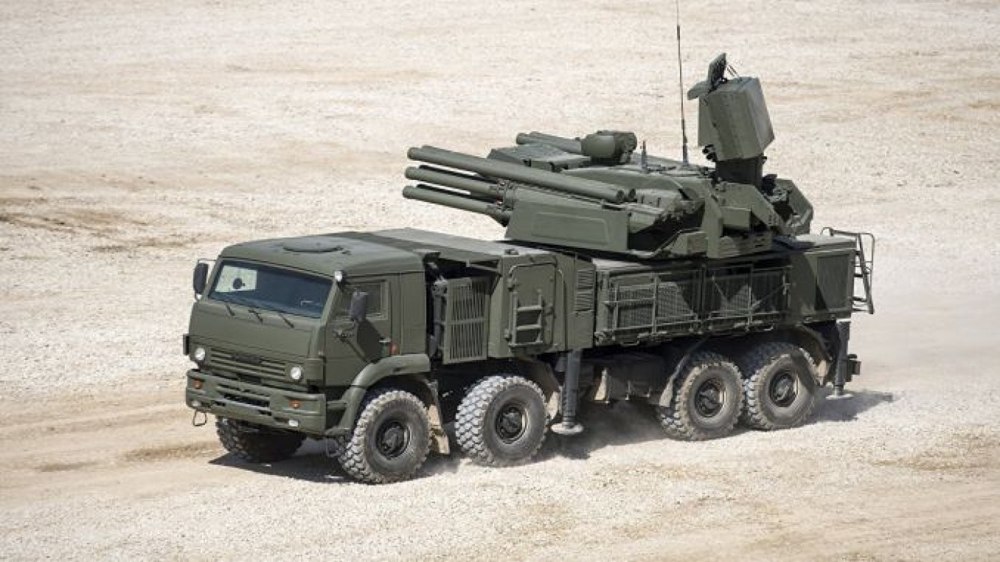
This internal questioning is especially relevant when considering the broader geopolitical context. While the US military leadership asserts confidence in its capabilities and the accuracy of its reports, internal assessments cited in the article suggest Iran retains substantial military capacity, including missile launch infrastructure and naval assets capable of disrupting vital shipping lanes like the Strait of Hormuz. The article also touches upon the strain on US arms stockpiles due to intensive use of various weapon systems, raising concerns about long-term sustainment capabilities in potential future conflicts. This nuanced picture, where official pronouncements meet internal doubts and external assessments, is a critical aspect of understanding the true state of the conflict and its potential ramifications. The reporting by The Atlantic, filtered through Adevărul, provides valuable insight into these complexities, which are often simplified in international media coverage. The fact that the Vice President himself is reportedly voicing these concerns underscores the gravity of the situation and the importance of rigorous, unbiased intelligence analysis in guiding national security decisions.
operațiunile americane reprezintă deja un succes și că stocurile de armament esențial sunt „aproape nelimitate”.
DistantNews Editorial
Originally published by Adevărul in Romanian. Translated, summarized, and contextualized by our editorial team with added local perspective. Read our editorial standards.
More Stories
From Our Blog

What Gets Lost (and Found) When News Is Translated

The Critical Role of Diaspora Media in Global News

What Travellers Should Know About Countries with Restricted Press

A Digital Nomad's Guide to Following Local News

How the Same Story Looks Different in Different Countries
