


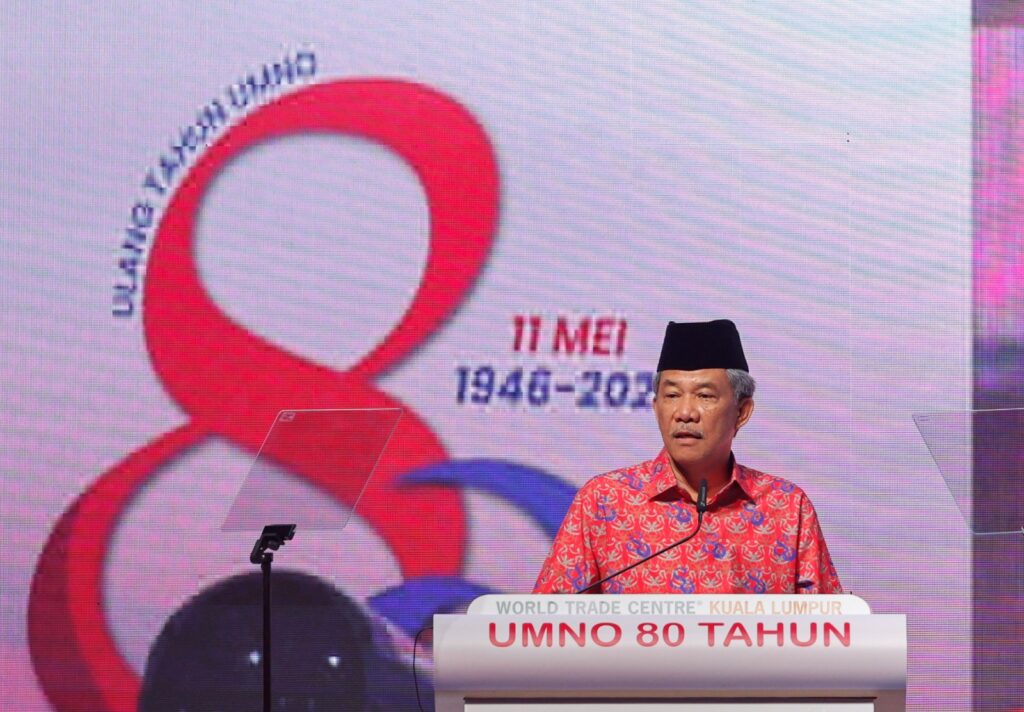
UMNO Must Stop Selling Nostalgia, Focus on Future - Tok Mat
Translated from Malay, summarized and contextualized by DistantNews.
TLDR
- UMNO, a Malaysian political party, needs to shift focus from nostalgia to future agendas to regain public trust, especially among Malays.
- The party's 80th anniversary should mark a new direction rather than dwelling on past glories.
- UMNO possesses strengths in crisis management experience and member loyalty to navigate current challenges.
As UMNO celebrates its 80th anniversary, the call from within, notably from Deputy President Datuk Seri Mohamad Hasan, is clear: the party must shed its reliance on past glories and embrace a forward-looking vision. This sentiment, articulated at the UMNO Convention, underscores a critical juncture for the party, which has long been a cornerstone of Malaysian politics.
The message is not one of discarding history, but of reorienting its narrative. Nostalgia, while potent, can be a double-edged sword. For UMNO, the challenge lies in translating its rich history and the loyalty of its members into a compelling vision for the future that resonates with contemporary voters, particularly the Malay community it primarily serves.
UMNO perlu berhenti menjual nostalgia, sebaliknya memberi tumpuan kepada agenda masa depan bagi mengembalikan keyakinan rakyat, khususnya orang Melayu terhadap parti itu.
Mohamad Hasan's emphasis on UMNO's dual strengths—extensive experience in managing crises and the unwavering loyalty of its members—provides a foundation for this new direction. The party's ability to adapt and evolve, drawing on its past while charting a new course, will be crucial for its continued relevance and success in Malaysia's dynamic political landscape. This is not merely about political survival; it's about redefining UMNO's role in shaping Malaysia's future.
ulang tahun ke-80 parti itu bukanlah untuk mengenang perjalanan lalu, sebaliknya menjadi detik penting untuk merencana hala tuju baharu.
DistantNews Editorial
Originally published by Utusan Malaysia in Malay. Translated, summarized, and contextualized by our editorial team with added local perspective. Read our editorial standards.
More Stories



From Our Blog

What Gets Lost (and Found) When News Is Translated

The Critical Role of Diaspora Media in Global News

What Travellers Should Know About Countries with Restricted Press

A Digital Nomad's Guide to Following Local News

How the Same Story Looks Different in Different Countries
