


Urban Renewal Act Delay Hinders Penang Housing Redevelopment
Translated from Malay, summarized and contextualized by DistantNews.
TLDR
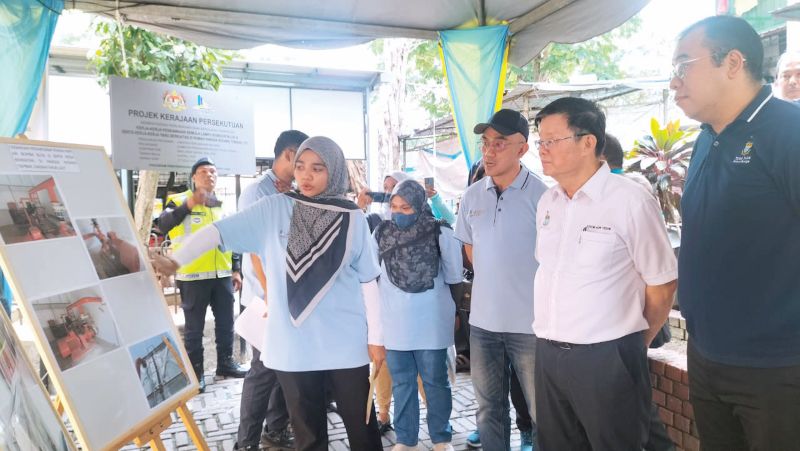
- The Urban Renewal Act 2025 remains unapproved in Parliament, hindering the Penang state government's redevelopment efforts for the Padang Tembak Public Housing.
- Without the act, the state government requires unanimous consent from 100% of unit owners before any redevelopment can proceed.
- Chief Minister Chow Kon Yeow stated this requirement makes the redevelopment process significantly more difficult.
The state government of Penang faces a significant hurdle in its efforts to redevelop the Padang Tembak Public Housing project, with the delay in approving the Urban Renewal Act 2025 proving to be a major obstacle. Chief Minister Chow Kon Yeow highlighted that the absence of this crucial legislation means the state must secure a seemingly impossible 100% agreement from all unit owners before any redevelopment can commence. This stringent requirement, dictated by current laws in the absence of the new act, effectively stalls progress on much-needed urban renewal.
From Penang's perspective, this situation is deeply frustrating. The Padang Tembak project is not just about upgrading housing stock; it's about revitalizing communities and improving the living conditions for its residents. The current legal framework, however, places an undue burden on the government, requiring consensus that is notoriously difficult to achieve in any large housing complex. This contrasts sharply with how such issues might be handled in other regions, where eminent domain or simpler majority-rule principles might allow for swifter action.
Ketiadaan Akta Pembaharuan Semula Bandar 2025 (RUU PSB) yang masih belum diluluskan di Parlimen dikenal pasti sebagai antara halangan utama kepada usaha kerajaan negeri untuk melaksanakan pembangunan semula Rumah Pangsa Padang Tembak di sini.
The Chief Minister's remarks underscore the urgency of passing the Urban Renewal Act. It is seen as a vital tool that would empower the state government to act more decisively, balancing the rights of individual owners with the collective need for community improvement and modernization. The delay in Parliament not only impacts Penang but also signals a broader challenge in urban planning and development across Malaysia, where outdated regulations can impede necessary progress and leave communities languishing.
tanpa akta tersebut, kerajaan negeri perlu mendapatkan persetujuan 100 peratus daripada pemilik unit sebelum sebarang projek pembangunan semula boleh dilaksanakan.
DistantNews Editorial
Originally published by Utusan Malaysia in Malay. Translated, summarized, and contextualized by our editorial team with added local perspective. Read our editorial standards.
More Stories

From Our Blog

What Gets Lost (and Found) When News Is Translated

The Critical Role of Diaspora Media in Global News

What Travellers Should Know About Countries with Restricted Press

A Digital Nomad's Guide to Following Local News

How the Same Story Looks Different in Different Countries
