

US and Iran 'betting it all' in Hormuz – Putin responds 'I see' with Germany in mind
Translated from Greek, summarized and contextualized by DistantNews.
TLDR
- The US and Iran are engaged in a high-stakes standoff in the Strait of Hormuz, with Iran imposing transit fees on commercial ships.
- Iran claims these fees are a legitimate exercise of sovereignty, while the US warns of sanctions against any company that complies with Tehran's demands.
- This escalation impacts international shipping and energy markets, with potential geopolitical ramifications, including a reduction in US troops in Germany.
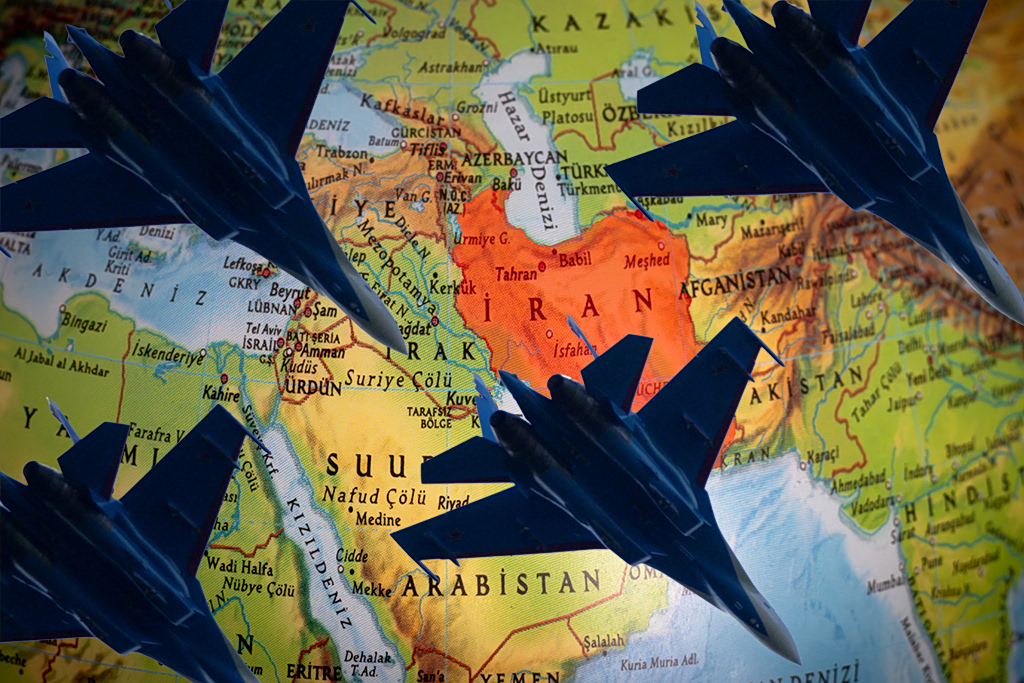
The strategic Strait of Hormuz has become the focal point of a tense geopolitical game between the United States and Iran, with global security and markets hanging in the balance. Iran's decision to impose transit fees on commercial vessels, leveraging its control over this vital waterway, marks a significant shift in the conflict, moving it from diplomatic arenas to the critical domain of international maritime transport and energy.
Δεν είναι πια πόλεμος επιλογής αλλά αναγκαιότητας
Iranian officials, including Parliament Vice Speaker Hamindreza Hajibabayi, have announced the collection of initial revenues from these transit fees, depositing them into the country's central bank. Iran asserts this as a rightful claim stemming from its sovereignty over a substantial coastline. However, the US, through its Office of Foreign Assets Control (OFAC), has issued a stern warning: any company paying these fees will face the full force of American sanctions. This directive explicitly covers all payment methods, from cash and digital assets to unofficial exchanges and purported charitable donations.
Η Μέση Ανατολή παίρνει ξανά φωτιά
This standoff places shipowners in a precarious position, caught between the threat of Iranian seizure and the severe economic repercussions threatened by Washington. The situation is further complicated by broader geopolitical shifts, such as the announced withdrawal of 5,000 US troops from Germany. Analysts, like David Sanger of The New York Times, have voiced concerns that weakening the US presence in Europe could inadvertently benefit adversaries. From a Greek perspective, deeply intertwined with global shipping and energy security, this escalating tension in the Middle East is not merely a distant diplomatic spat but a direct threat to vital economic interests and regional stability.
Τα βλέπω
DistantNews Editorial
Originally published by Ta Nea in Greek. Translated, summarized, and contextualized by our editorial team with added local perspective. Read our editorial standards.
More Stories
From Our Blog

What Gets Lost (and Found) When News Is Translated

The Critical Role of Diaspora Media in Global News

What Travellers Should Know About Countries with Restricted Press

A Digital Nomad's Guide to Following Local News

How the Same Story Looks Different in Different Countries
