

US Economic Lead Over China to Grow, But Iran Tensions Could Foster Ties: Ex-UN Official
Translated from English, summarized and contextualized by DistantNews.
TLDR
- The economic gap between the US and China is projected to reach $11 trillion by 2030, indicating continued US economic strength, according to former UN official Kishore Mahbubani.
- Mahbubani stated that the US remains the most powerful economy, with its GDP gap over China widening from $6 trillion in 2020 to an estimated $11 trillion by 2030.
- Despite geopolitical tensions, particularly concerning Iran and the Strait of Hormuz, Mahbubani suggested these could paradoxically stabilize US-China relations, requiring significant wisdom and cooperation to manage.
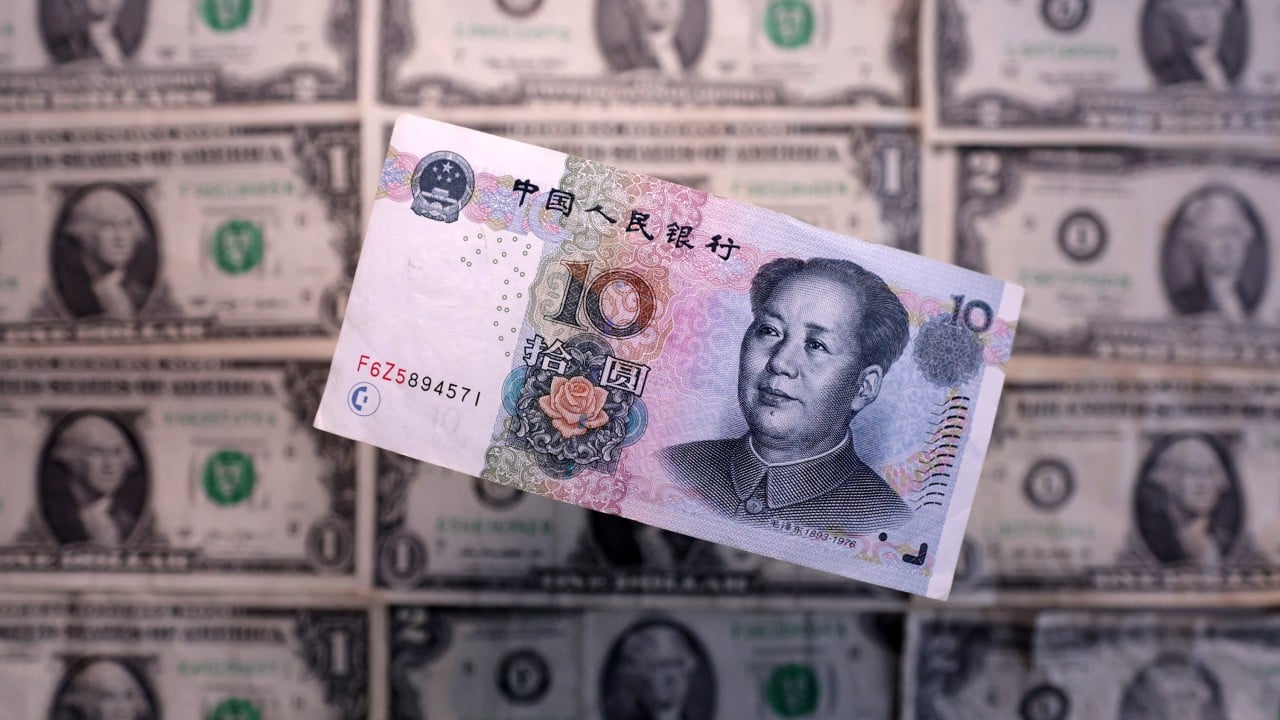
In a candid assessment delivered at the American Chamber of Commerce in Hong Kong, Kishore Mahbubani, a distinguished global strategist and former president of the UN Security Council, offered a sobering perspective on the economic trajectory of the United States and China. Contrary to prevailing narratives of American decline, Mahbubani asserted that the US economy remains robust, projecting a widening economic divide between the two superpowers. By the end of the decade, he forecasts the GDP disparity to reach an astounding $11 trillion, a significant jump from the $6 trillion gap observed in 2020.
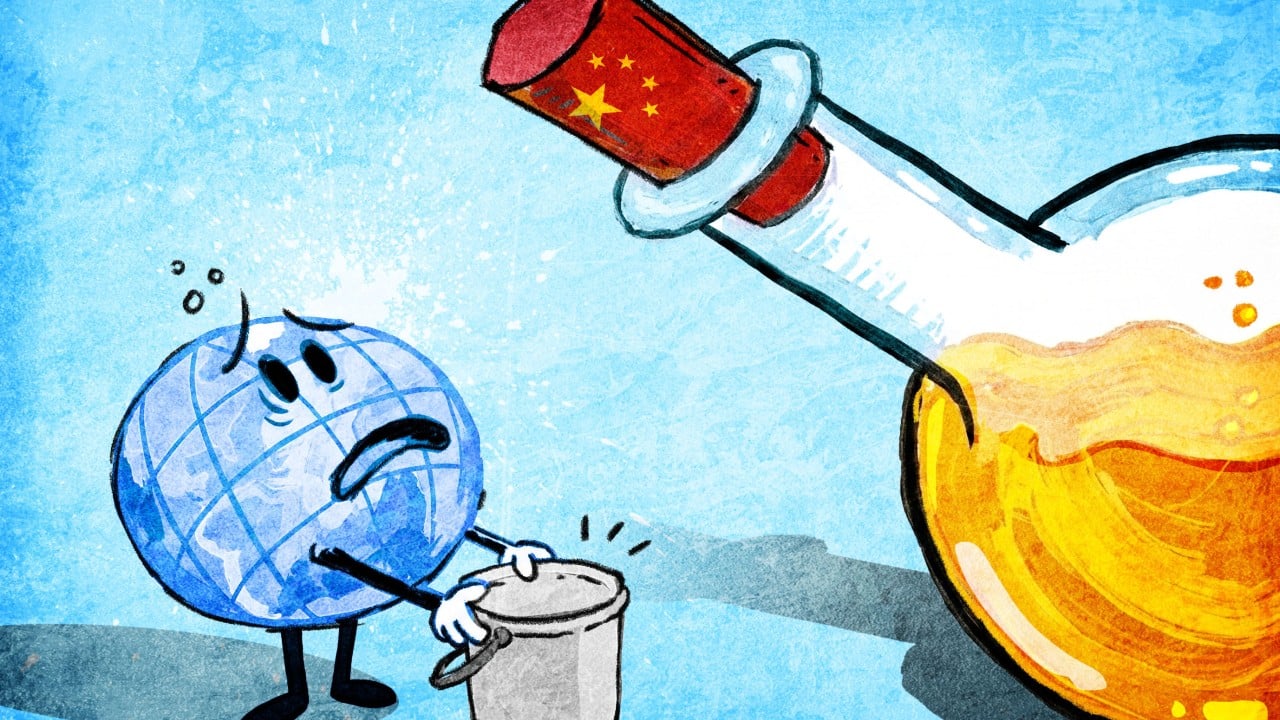
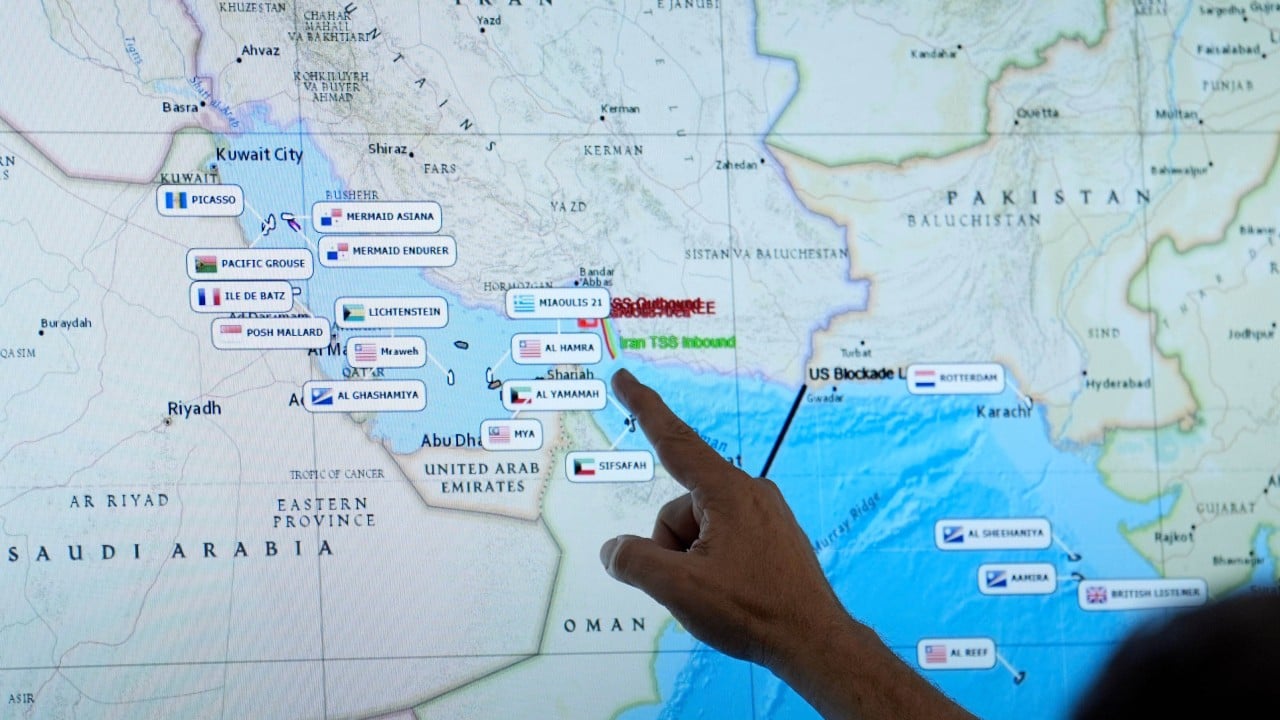
The economic divide between the United States and China is projected to widen to US$11 trillion by the end of the decade, yet escalating geopolitics – specifically the war in Iran and the ongoing Strait of Hormuz crisis – could inadvertently act as a stabilising force for bilateral ties, according to a prominent global strategist.
Mahbubani’s analysis directly challenges the notion that China’s rapid growth has diminished America’s economic dominance. He presented figures showing US GDP at $21 trillion versus China's $15 trillion in 2020, with projections for 2030 placing the US at $37.6 trillion and China at $26 trillion. This widening gap, he argued, underscores the enduring strength of the US economy. Simultaneously, he cautioned against underestimating China's remarkable resurgence, describing it as the most significant transformation in world history due to its sheer scale and speed.
The US still remains the most powerful economy. Even in the 2000s and 2010s, when China grew much faster, the gap in size has not diminished.
Intriguingly, Mahbubani posited that escalating geopolitical tensions, particularly the ongoing crisis in the Strait of Hormuz and the broader geopolitical landscape involving Iran, might serve as an unexpected stabilizing force for US-China bilateral ties. While seemingly counterintuitive, he suggested that shared concerns or the need for coordinated management of global flashpoints could foster a degree of cooperation, or at least a mutual understanding, between Washington and Beijing.
[The gap] has actually grown in 2020: US GDP was US$21 trillion, China’s was US$15 trillion – US$6 trillion gap. In 2030, US GDP is expected to reach US$37.6 trillion and China US$26 trillion – the gap will go from 6 trillion to 11 trillion.
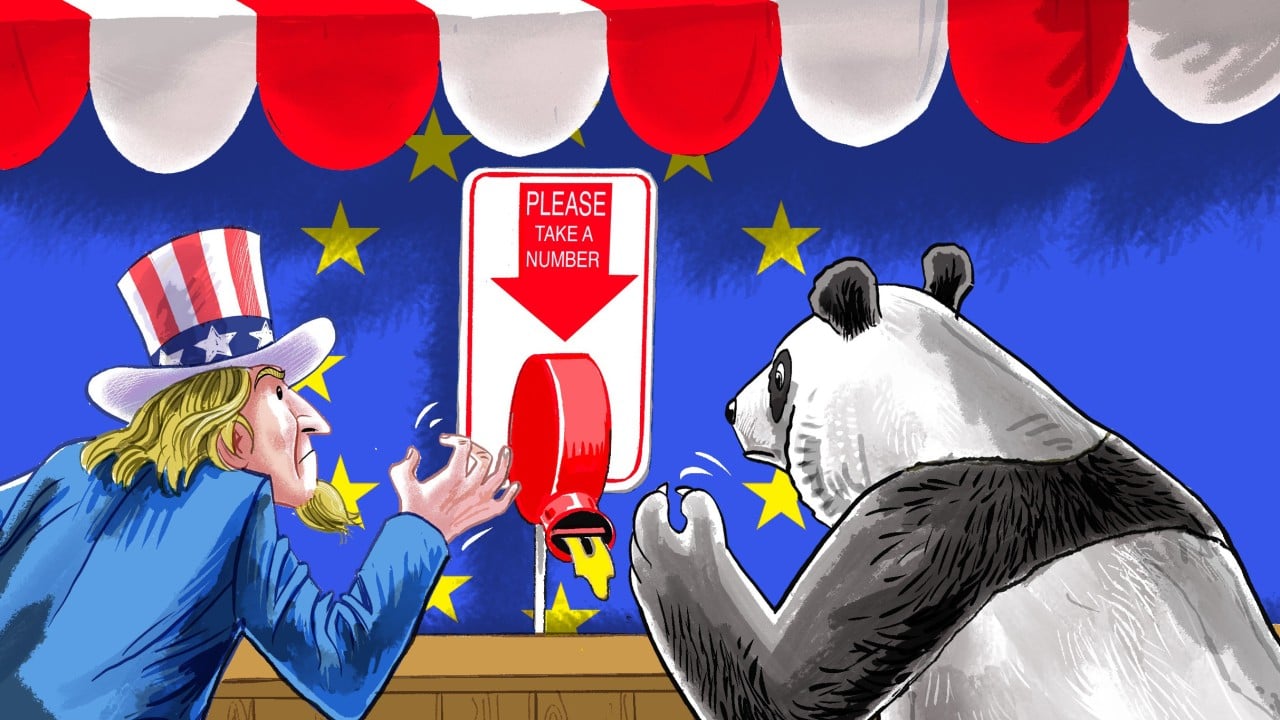
Speaking to an audience that included US Consul-General Julie Eadeh and China’s Ministry of Foreign Affairs Commissioner Cui Jianchun, Mahbubani emphasized the critical need for immense wisdom and cooperation in navigating the complex relationship between the two global giants. With a high-stakes visit by then-President Donald Trump to China on the horizon, his remarks served as a timely reminder of the delicate balance required to manage this pivotal international dynamic. From a Singaporean perspective, understanding and managing this relationship is not just an economic or political imperative, but a crucial factor for regional and global stability.
China’s emergence has been the single largest transformation in world history … The size and scale of China’s resurgence in such a short space of time is beyond amazing.
DistantNews Editorial
Originally published by South China Morning Post in English. Translated, summarized, and contextualized by our editorial team with added local perspective. Read our editorial standards.
More Stories

From Our Blog

Countries Without a Free Press: What You Need to Know

What Press Freedom Means for the News You Read

What Gets Lost (and Found) When News Is Translated

The Critical Role of Diaspora Media in Global News

What Travellers Should Know About Countries with Restricted Press
