

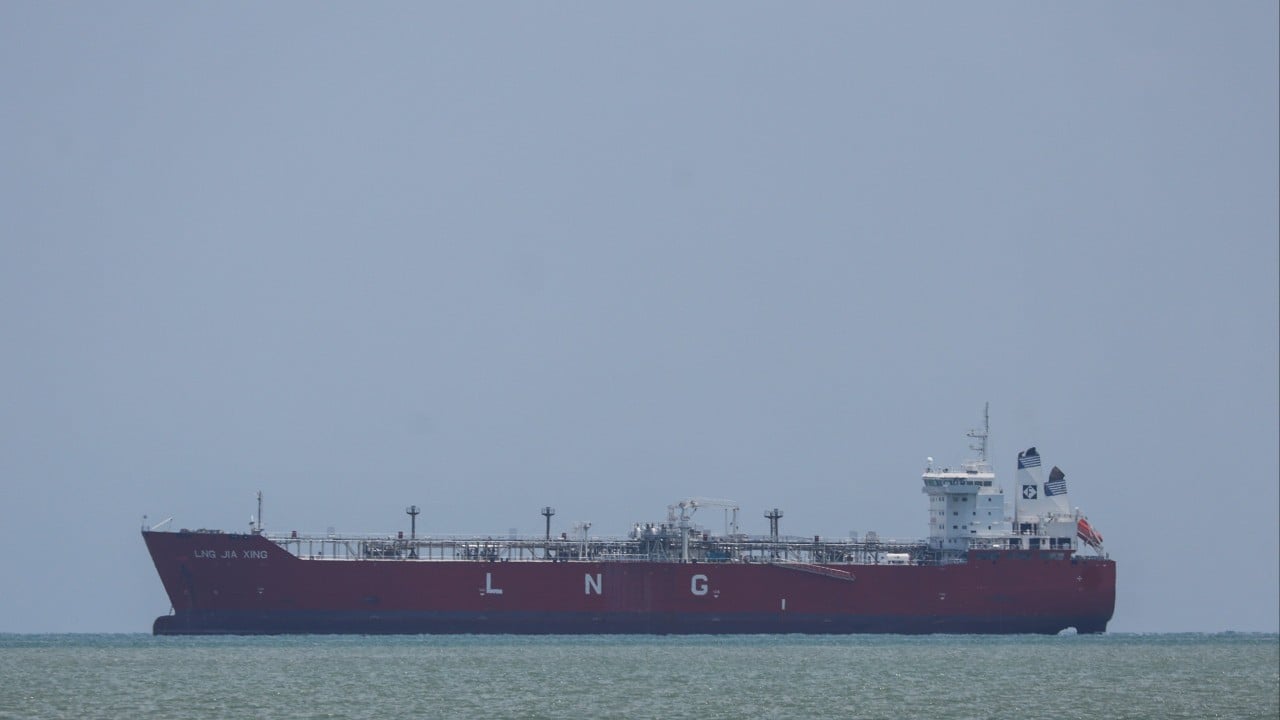

US-Indonesia defence pact sharpens China’s ‘Malacca dilemma’
Translated from English, summarized and contextualized by DistantNews.
TLDR
- The US and Indonesia have elevated their defense cooperation to a "major defense cooperation partnership."
- The agreement focuses on maritime capabilities, special forces training, and maintenance, repair, and overhaul support.
- This move is seen as strategically significant for the US in its competition with China, particularly concerning control over vital sea lanes like the Strait of Malacca.
The recent announcement of a "major defense cooperation partnership" between Washington and Jakarta marks a significant, albeit quietly executed, shift in regional security dynamics. While Indonesia officially maintains its stance of non-alignment and adherence to its "free and active" foreign policy, the substance of this agreement points towards a deepening security alignment with the United States. The emphasis on "maritime, subsurface and autonomous systems," coupled with enhanced joint training and logistical support, signals a clear intent to bolster capabilities relevant to strategic competition.
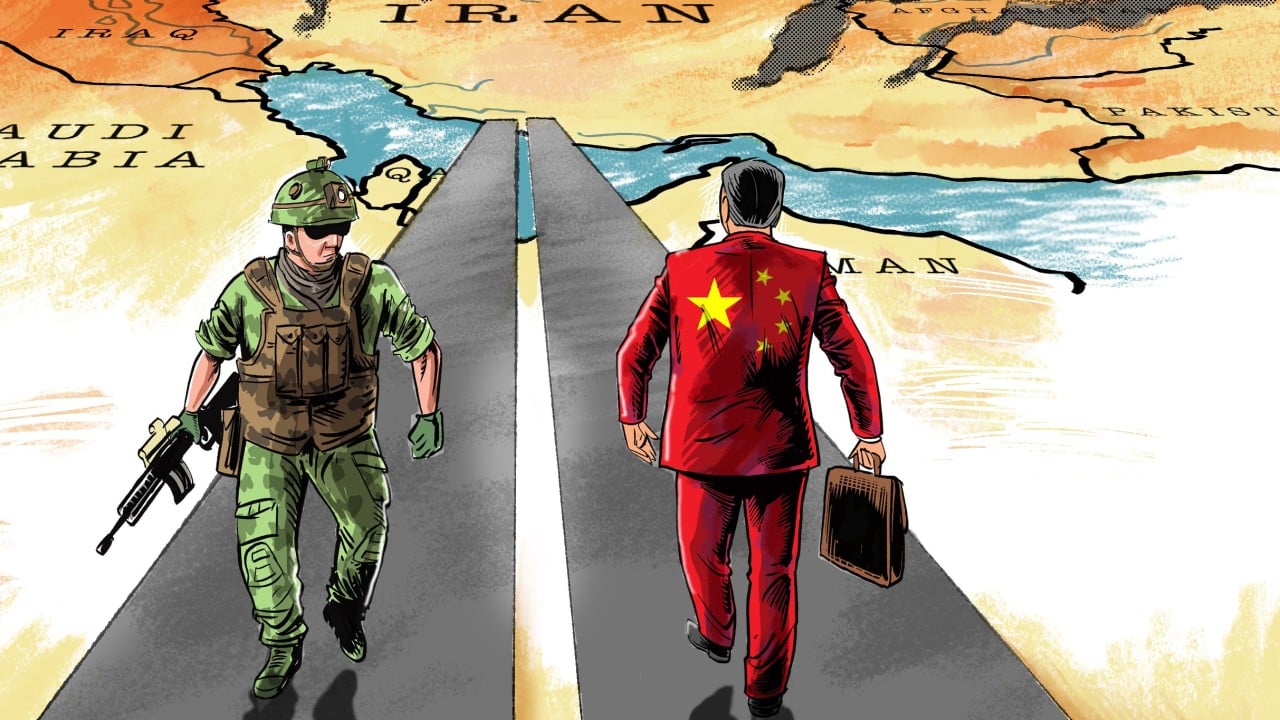
From a Chinese perspective, this development directly addresses the long-standing "Malacca dilemma" – the vulnerability of its energy imports transiting through narrow, potentially contested waterways. With over 90% of China's crude oil imports arriving by sea, and a substantial portion passing through the Strait of Malacca, any enhancement of US influence or capability in this region is viewed with considerable concern. This partnership, therefore, is not merely a bilateral military upgrade; it is a strategic maneuver that sharpens the contours of the ongoing US-China competition.
While Western media might focus on the geopolitical implications for US-China rivalry, the Indonesian perspective is nuanced. Jakarta's careful diplomatic language underscores its commitment to sovereignty and its historical role as a non-aligned player. However, the practical implications of enhanced military interoperability and capability development cannot be understated. This partnership allows Indonesia to modernize its defense forces and potentially gain leverage in a region where maritime security and trade route control are paramount. The focus on specific capabilities, rather than a broad alliance treaty, reflects a pragmatic approach to managing its strategic environment.
DistantNews Editorial
Originally published by South China Morning Post in English. Translated, summarized, and contextualized by our editorial team with added local perspective. Read our editorial standards.
More Stories

From Our Blog

Countries Without a Free Press: What You Need to Know

What Press Freedom Means for the News You Read

What Gets Lost (and Found) When News Is Translated

The Critical Role of Diaspora Media in Global News

What Travellers Should Know About Countries with Restricted Press
