


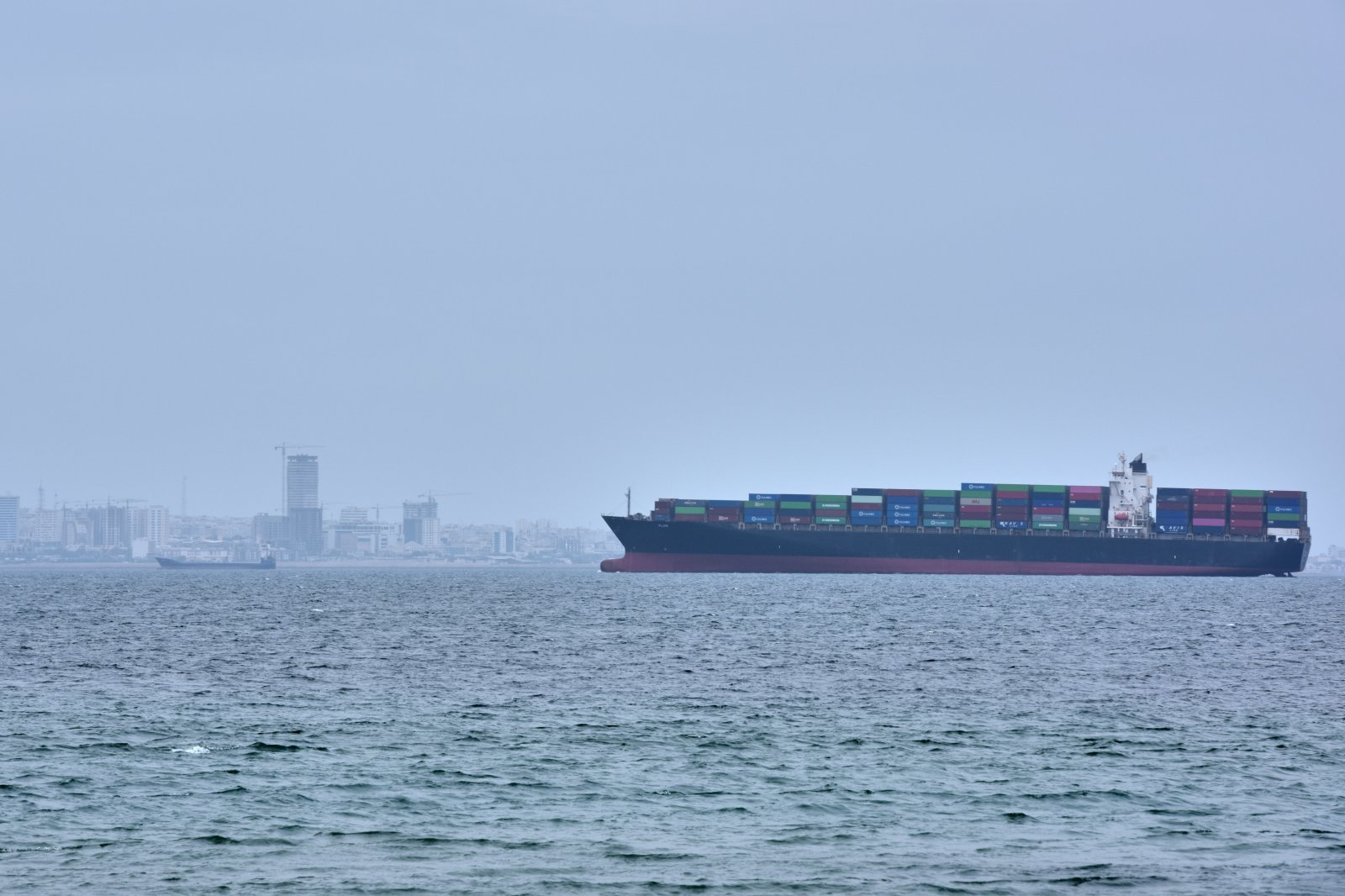
US 'Project Freedom' for Hormuz Focuses on Route Coordination, Not Direct Escort
Translated from Korean, summarized and contextualized by DistantNews.
TLDR
- The U.S. announced 'Project Freedom' to assist ships in the Strait of Hormuz, but it reportedly focuses on navigational coordination rather than direct military escort.
- The initiative aims to provide optimal route information and guidance, particularly avoiding areas where Iran might have laid mines, rather than a direct naval escort by U.S. warships.
- While the U.S. intends to use force if Iran interferes, the strategy emphasizes process and coordination, raising questions about its effectiveness in ensuring maritime safety.
The United States' initiative to ensure safe passage through the Strait of Hormuz, dubbed 'Project Freedom,' presents a nuanced approach that warrants careful consideration from our perspective at Dong-A Ilbo. While President Trump's strong rhetoric about using force against any Iranian interference signals a firm stance, the operational details suggest a strategy centered on information and coordination rather than a direct, visible military escort of commercial vessels.
The U.S. military will be deployed in the surrounding area in case the U.S. Navy has to prevent Iranian forces from attacking merchant ships passing through the strait.
Reports indicate that the U.S. military's role will primarily involve providing 'optimal route information' and coordinating passage, a move that seems designed to de-escalate potential confrontations while still asserting U.S. influence in the region. This strategy, focusing on process and guidance, is a departure from a more traditional show of force, such as direct naval escorts. The U.S. Central Command's plan to deploy destroyers, aircraft, and troops underscores the seriousness of the commitment, yet the specifics of how these assets will support 'navigation coordination' remain somewhat opaque.
From a regional standpoint, the effectiveness of such a plan hinges on several factors. Firstly, the willingness of various nations, insurers, and shipping companies to rely on U.S.-provided navigational data is crucial. Secondly, the credibility of the U.S. threat to use force, should Iran attempt to disrupt these coordinated passages, will be tested. While the U.S. aims to protect 'innocent bystanders' and its own interests, the delicate balance in the Strait of Hormuz means that any misstep could have significant consequences.
Middle Eastern conflicts are not their concern. The United States has promised to help these countries safely navigate their ships out of the strait.
This approach highlights a strategic calculation by the U.S. – aiming to maintain freedom of navigation and deter Iranian aggression without necessarily escalating into direct naval clashes. The success of 'Project Freedom' will be closely watched, as it represents a significant diplomatic and military maneuver in a critical global waterway.
I have instructed our representatives to inform these countries that the United States will do its best to ensure their ships and crews are safely guided out of the strait.
DistantNews Editorial
Originally published by Dong-A Ilbo in Korean. Translated, summarized, and contextualized by our editorial team with added local perspective. Read our editorial standards.
More Stories


From Our Blog

What Gets Lost (and Found) When News Is Translated

The Critical Role of Diaspora Media in Global News

What Travellers Should Know About Countries with Restricted Press

A Digital Nomad's Guide to Following Local News

How the Same Story Looks Different in Different Countries
