


Use of Human Tissues: From 'Science Takes What It Wants' to a Strict Regime
Translated from Polish, summarized and contextualized by DistantNews.
TLDR
- The article examines the historical and ethical evolution of using human tissues in scientific research.
- It highlights cases where tissue acquisition was legally ambiguous or even permissible due to a lack of explicit prohibition.
- The piece uses the example of the HeLa cell line, derived from Henrietta Lacks without her family's initial knowledge, to illustrate the complex history of consent and scientific advancement.
Rzeczpospolita tackles a complex and ethically charged subject: the use of human tissues in scientific research, tracing its evolution from a period of minimal regulation to the stringent regimes of today. The article underscores a critical point: the law has often lagged behind scientific practice, creating ethical gray areas where practices now considered unacceptable may have once been legally permissible.
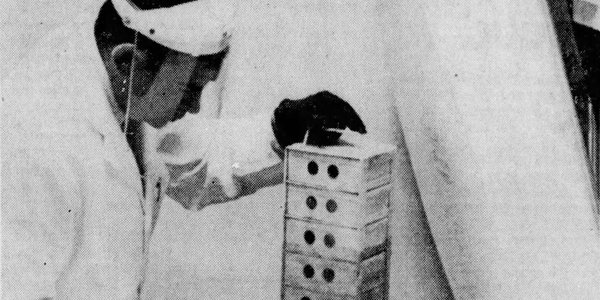
The narrative delves into the historical context, citing the example of Dr. George Otto Gey and the HeLa cell line. Derived from Henrietta Lacks in 1951, these "immortal" cells revolutionized medical research, leading to countless breakthroughs. However, the acquisition of these cells occurred without Lacks's informed consent, and crucially, her family remained unaware of their mother's unwitting contribution for many years. This case serves as a potent illustration of the ethical dilemmas that arose when scientific progress outpaced societal and legal frameworks for consent and tissue ownership.
From a Polish and European perspective, this history is particularly significant. Modern bioethics, heavily influenced by post-war ethical considerations and evolving patient rights, places a strong emphasis on informed consent, bodily autonomy, and equitable benefit-sharing. The story of HeLa, while a testament to scientific ingenuity, also serves as a stark reminder of past ethical failings and the importance of robust regulatory oversight. Rzeczpospolita's exploration prompts reflection on how scientific advancement must be balanced with respect for human dignity and individual rights.
The article's framing, moving from "science takes what it wants" to a "strict regime," reflects a broader societal reckoning with the ethical implications of biological research. It highlights the ongoing dialogue about how to ethically source biological materials, ensure fair compensation or recognition for donors, and maintain public trust in scientific endeavors. This historical perspective is vital for understanding the current ethical landscape and the principles that guide responsible scientific practice today.
Możliwe, że dzięki temu fundamentalnemu badaniu będziemy w stanie znaleźć sposób na całkowite wyeliminowanie raka.
DistantNews Editorial
Originally published by Rzeczpospolita in Polish. Translated, summarized, and contextualized by our editorial team with added local perspective. Read our editorial standards.
More Stories



From Our Blog

What Gets Lost (and Found) When News Is Translated

The Critical Role of Diaspora Media in Global News

What Travellers Should Know About Countries with Restricted Press

A Digital Nomad's Guide to Following Local News

How the Same Story Looks Different in Different Countries
