

What blocks the Middle East deal? Reports of 11 tons of uranium and Tehran's 100 nuclear weapons
Translated from Greek, summarized and contextualized by DistantNews.
TLDR
- - Geopolitical tensions in the Persian Gulf are escalating, with Iran's nuclear capabilities becoming a central issue.
- Negotiations between Iran and the U.S.
- have stalled, with Washington demanding a 20-year halt to nuclear activities and Iran proposing a five-year phased suspension.
- Iran reportedly possesses 11 tons of uranium, enough for up to 100 nuclear weapons, raising international concerns.
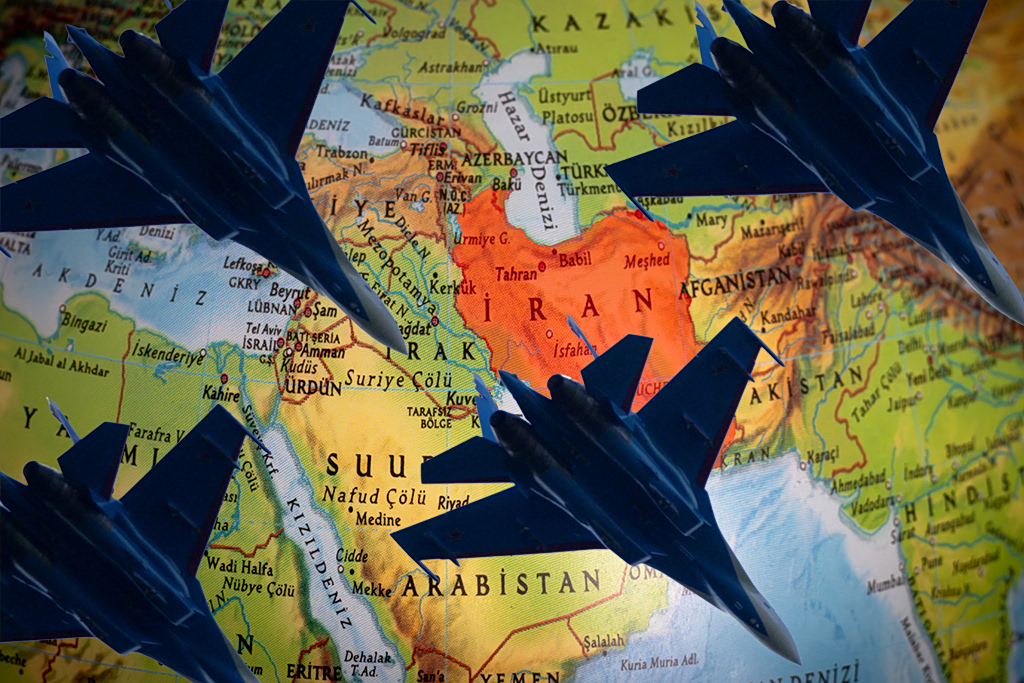
The geopolitical standoff in the Persian Gulf has reached alarming proportions, with the core of the dispute now clearly centered on Iran's nuclear ambitions. As reported by Ta Nea, the battle for control of the Strait of Hormuz is intertwined with the far more consequential issue of Iran's potential nuclear power. This framing highlights the gravity of the situation, suggesting that the maritime tensions are a symptom of a deeper, more dangerous underlying conflict.
U.S. President Donald Trump's rejection of Tehran's latest proposal, stating it was unsatisfactory, underscores the vast chasm between the two nations' positions. The New York Times' revelations that Washington demands a complete 20-year cessation of all nuclear activities, while Iran counters with a five-year phased suspension involving Russia as a guarantor, illustrate the complexity and intractability of the negotiations. From an Iranian perspective, as conveyed through this report, the U.S. demands are seen as provocative and insufficient, while Iran's proposals are framed as reasonable steps toward de-escalation, albeit with its own strategic considerations.
The geopolitical deadlock in the Persian Gulf is now taking on nightmarish dimensions, as behind the battle for control of the Strait of Hormuz lies the real stake: Iran's nuclear power.
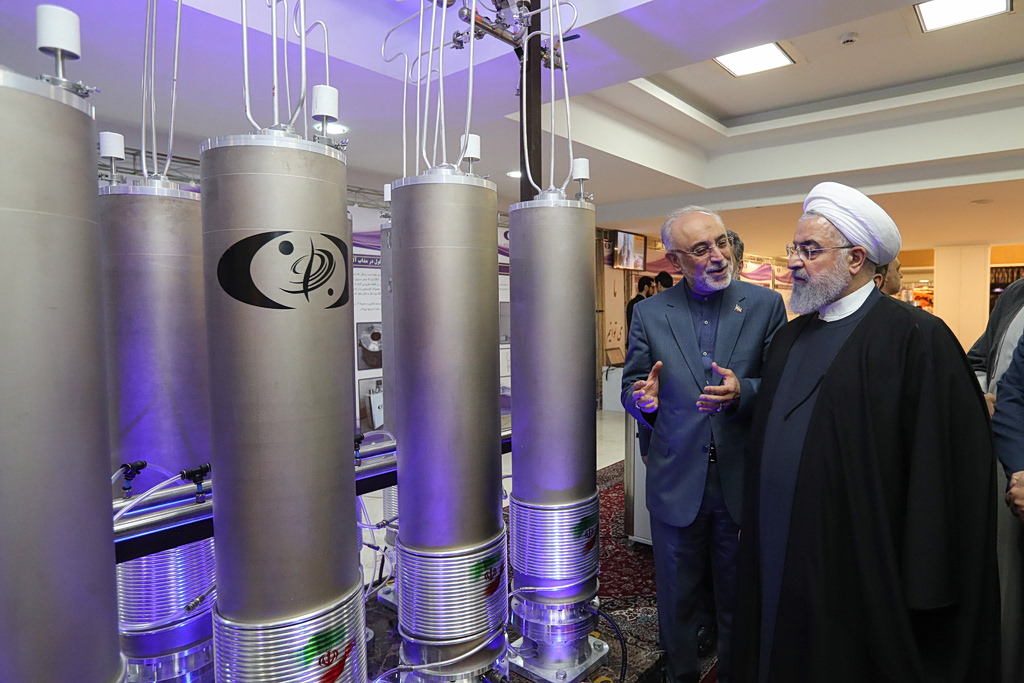
The report's stark revelation that Iran possesses 11 tons of uranium at various enrichment levels, potentially enough for up to 100 nuclear weapons, adds a chilling dimension to the crisis. This figure, exceeding even Israel's estimated arsenal, transforms the dispute from a regional political spat into a global security concern. The mention of this uranium being stored in tunnel networks, some of which Trump attempted to bomb, emphasizes the long-standing and deeply entrenched nature of the nuclear issue, and the persistent threat it poses.
Ta Nea frames this situation as a high-stakes gamble, pitting Trump's 'coercive diplomacy' against Iran's 'legendary persistence.' The intervention of the new Supreme Leader, Ayatollah Mojtaba Khamenei, who vowed to impose 'new legal frameworks' on the Strait of Hormuz and envisions a future without American presence, signals Iran's unwavering resolve. This narrative resonates with a nationalistic sentiment, portraying Iran as standing firm against foreign pressure. The fear of naval mines and the disruption to global energy flows, with hundreds of ships stranded, further amplifies the sense of crisis, turning the Gulf into an 'inaccessible zone.' The article concludes by highlighting the clash between Trump's impulsive nature and Iran's stubborn resilience, suggesting a prolonged and perilous confrontation.
Iran will impose 'new legal frameworks' in the Strait of Hormuz, envisioning a future for the region without American presence.
DistantNews Editorial
Originally published by Ta Nea in Greek. Translated, summarized, and contextualized by our editorial team with added local perspective. Read our editorial standards.
More Stories
From Our Blog

What Gets Lost (and Found) When News Is Translated

The Critical Role of Diaspora Media in Global News

What Travellers Should Know About Countries with Restricted Press

A Digital Nomad's Guide to Following Local News

How the Same Story Looks Different in Different Countries
