

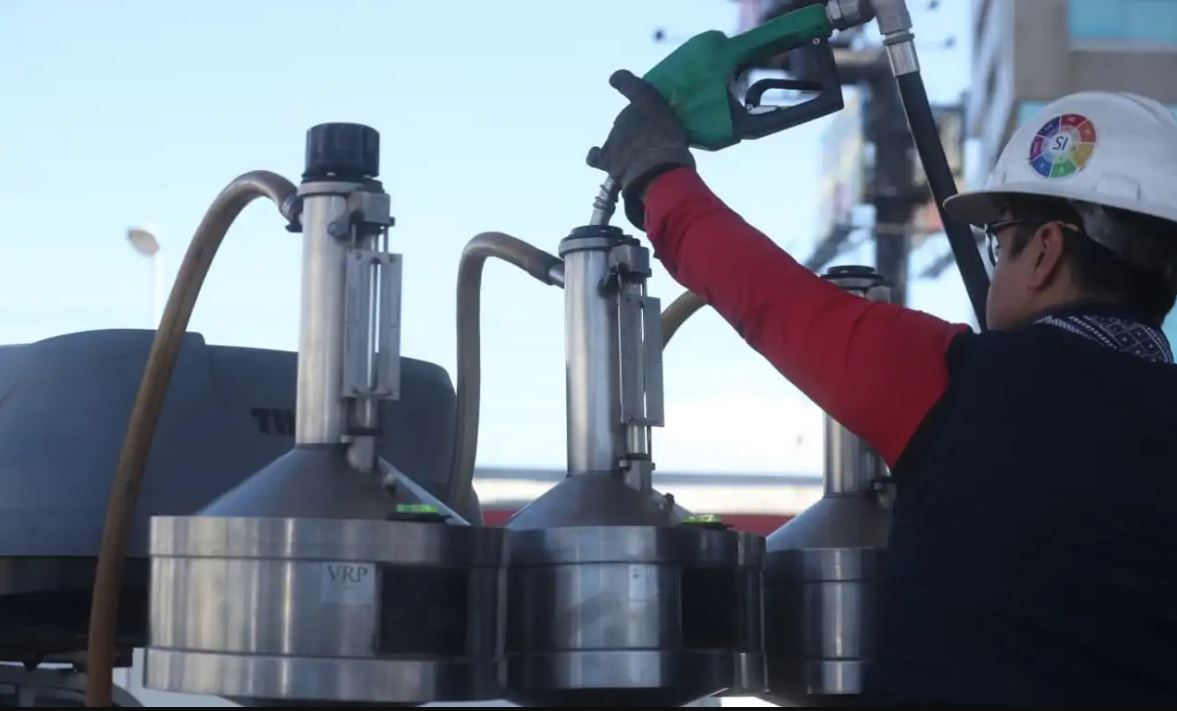

What the US Ruling on Tariffs Means for Guatemala
Translated from Spanish, summarized and contextualized by DistantNews.
TLDR
- A US court has ruled that President Trump incorrectly invoked tariffs under Section 122 of the 1974 Trade Act.
- The ruling stated this provision only allows for temporary tariffs under specific circumstances related to balance of payments or financial instability.
- The decision primarily benefits specific complainants and does not constitute a universal suspension of the 10% tariff for all US importers, including those from Guatemala.
A recent decision by the US International Trade Court has cast a spotlight on the complexities of international trade tariffs, with significant implications for countries like Guatemala. The court found that former President Donald Trump had "incorrectly invoked" tariffs under Section 122 of the 1974 Trade Act. This ruling, which emerged on May 7, suggests that the specific provision used to impose these tariffs was misapplied, as it is intended for temporary measures under narrow economic conditions.
According to international reports, Section 122 of the Trade Act is designed for situations involving severe balance of payments deficits or international financial instability. The tariffs in question were initially set for a 150-day period starting February 24, 2026, following a Supreme Court stay on an earlier package of tariffs implemented in April of the previous year. This legal back-and-forth highlights the contentious nature of trade policy and its susceptibility to judicial review.
For Guatemala, the key takeaway from this ruling is nuanced. The Ministry of Economy (Mineco) has yet to provide a detailed statement on the specific impact. However, the Guatemalan Association of Exporters (Agexport) has clarified that the International Trade Tribunal's mandate specifically addresses the complainants in the case, such as the University of Washington, Burlap and Barrel, Inc., and Basic Fun, Inc. Aída Fernández, Agexport's director of export growth, emphasized that this is not a universal suspension of the 10% tariff for all US importers.
Therefore, this resolution should not be misconstrued as an elimination of the tariff for Guatemalan imports. Without a formal directive from US customs authorities, a judicial expansion of the ruling's scope, or an official modification by the US government, the existing tariff framework remains in effect. This means that while a portion of Guatemalan exports (around 72%) are exempt, the remaining 28% continue to be subject to the 10% tariff upon import into the US, a situation that persists until at least July 24, 2026, unless altered by the US Congress. The existing Reciprocal Trade Agreement between Guatemala and the United States remains unaffected by this specific court decision.
The decision judicial concedes an order in favor of said parties, but it does not constitute a universal suspension for all importers in the US.
DistantNews Editorial
Originally published by Prensa Libre in Spanish. Translated, summarized, and contextualized by our editorial team with added local perspective. Read our editorial standards.
More Stories
From Our Blog

What Gets Lost (and Found) When News Is Translated

The Critical Role of Diaspora Media in Global News

What Travellers Should Know About Countries with Restricted Press

A Digital Nomad's Guide to Following Local News

How the Same Story Looks Different in Different Countries
